The Oboe Explained
Oboe Origins
Ancient Roots
The oboe's story begins long before the instrument as we know it existed. Its family tree starts with ancient double-reed instruments. In ancient Greece, there was the aulos, and in Rome, the tibia. These weren't exactly oboes, but they shared the same core principle: two pieces of cane vibrating against each other to produce sound.
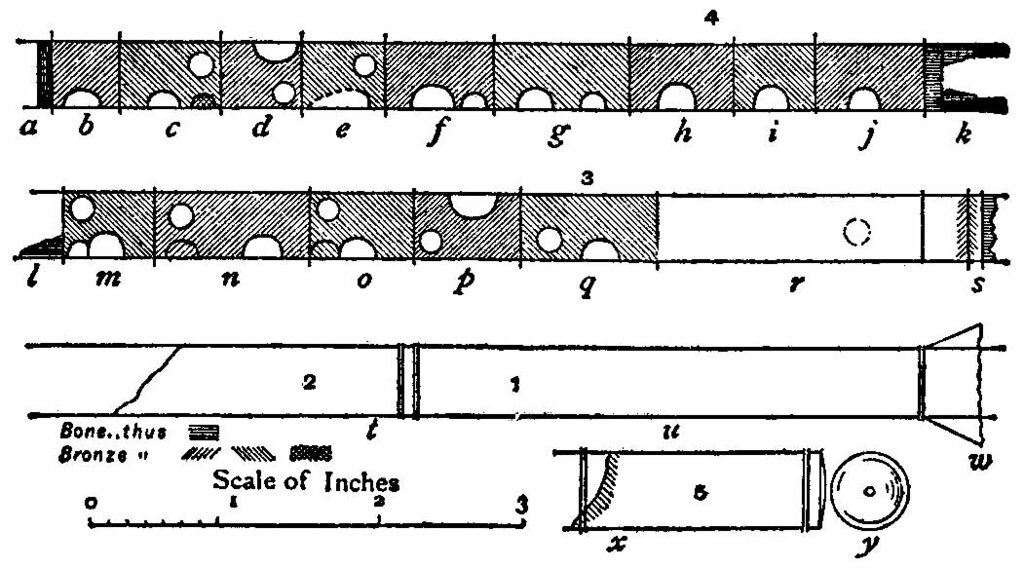
The aulos was a vital part of Greek life. It was played at religious ceremonies, festivals, and even military events. Its sound was described as penetrating and expressive. The Romans used their version, the tibia, in much the same way, particularly in theatrical performances and funeral processions. These early instruments laid the groundwork for a whole family of woodwinds.
The Shawm Steps In
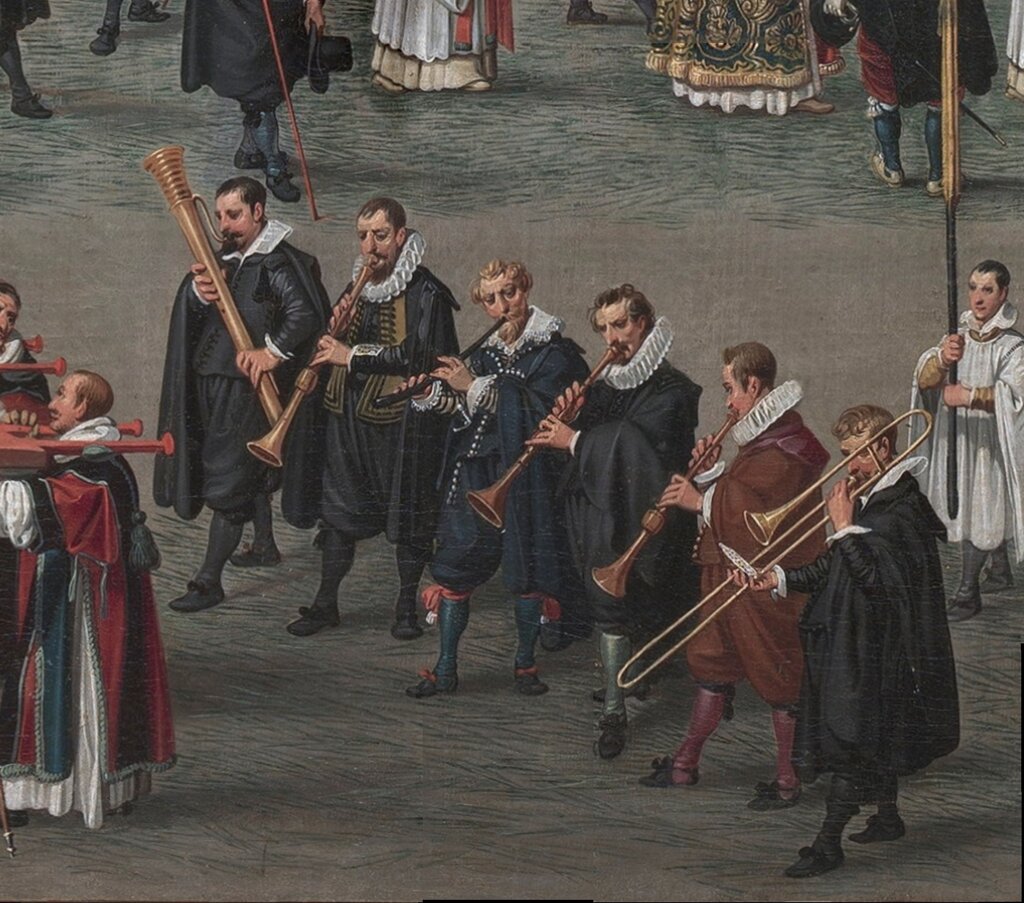
Fast forward to the Middle Ages, and we meet the shawm. This instrument was a direct ancestor of the oboe and was widespread across Europe from the 13th century onwards. Unlike its more refined descendant, the shawm was known for being loud and powerful.
The shawm had a piercing, trumpet-like tone, making it perfect for outdoor music and large gatherings.
Its conical bore and wide reed gave it a brilliant, commanding voice. Because of this, shawms were often used in military bands and for civic ceremonies, where they needed to be heard over the noise of a crowd. They came in various sizes, forming entire families of instruments that could play music in different registers, much like a modern choir.
From Hautbois to Oboe
The oboe's direct birth happened in 17th-century France. The French court, a hub of artistic innovation, wanted a more delicate and expressive instrument than the shawm for its indoor ensembles. Instrument makers, most notably the Hotteterre family, began to experiment.
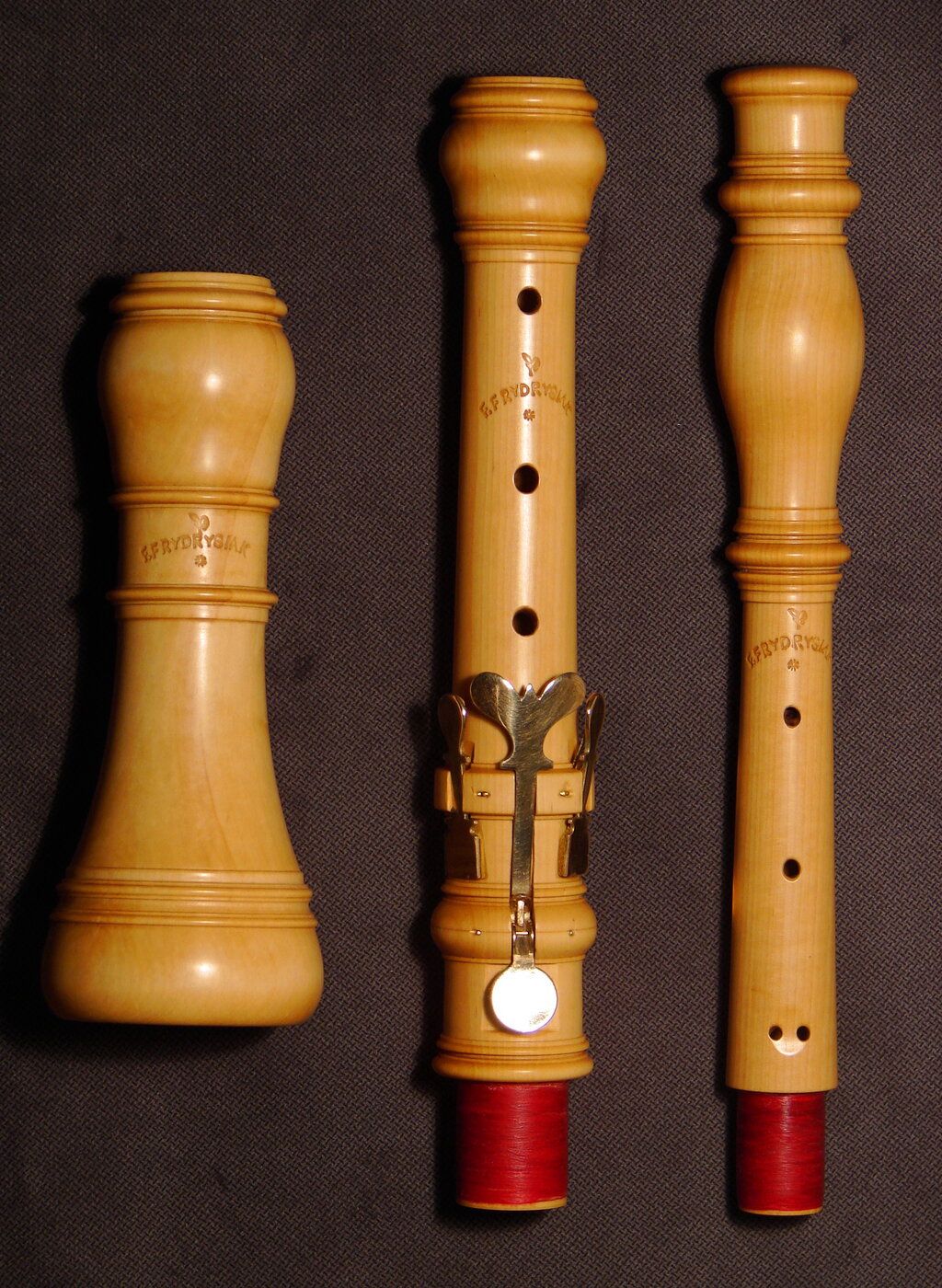
The (Baroque) oboe was developed from the shawm in the 17th century by the instrument maker Jean de Hotteterre (commissioned by Jean-Baptiste Lully).
They refined the shawm's design by narrowing its bore, shrinking the reed, and dividing the instrument into three jointed sections. This new creation had a much sweeter, more nuanced tone, suitable for the intricate music of the court. The French called it the hautbois.
high-wood
The name referred to its high pitch and wooden construction. The English word "oboe" is simply a phonetic rendering of the French name. This new instrument, which we now call the Baroque oboe, was a hit.
A Star of the Baroque
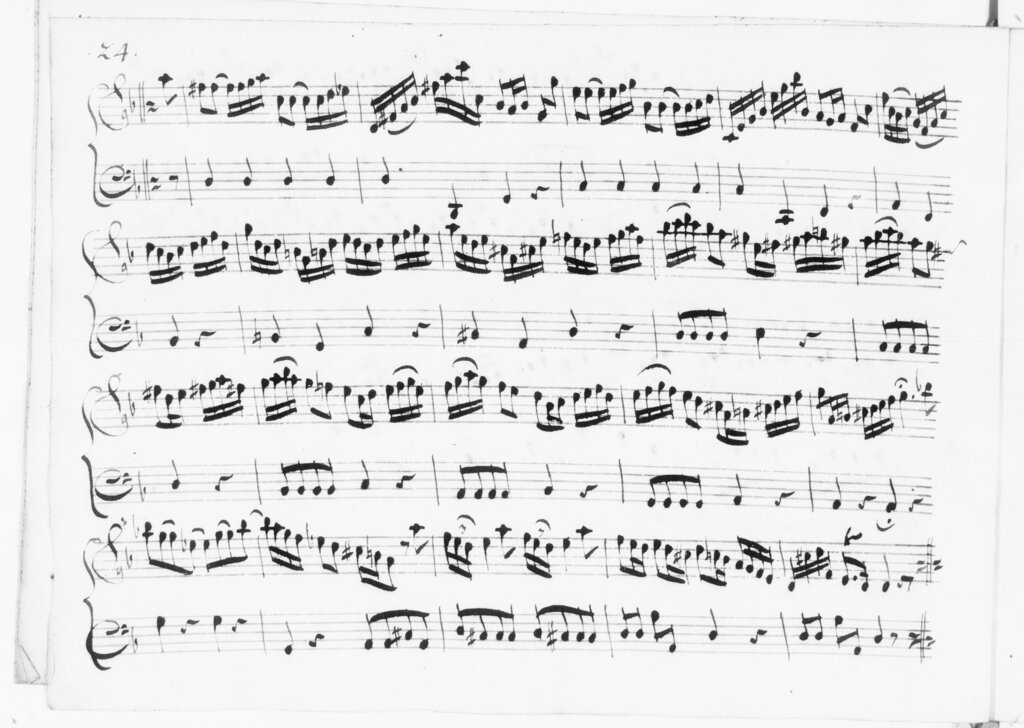
The Baroque era (roughly 1600–1750) was the oboe's golden age. Its expressive, voice-like quality made it a favorite of composers like Jean-Baptiste Lully, Johann Sebastian Bach, and George Frideric Handel. The oboe quickly became a standard member of the orchestra, often given beautiful melodic solos. It was also a star player in smaller chamber ensembles, blending perfectly with strings and other woodwinds.
Composers wrote sonatas and concertos specifically for the oboe, showcasing its agility and lyrical capabilities. The instrument's clear, stable pitch also made it the standard for tuning the entire orchestra, a tradition that continues to this day.
From the loud, ceremonial shawm to the refined hautbois of the French court, the oboe's journey reflects the changing tastes and needs of music itself. Its transformation set the stage for the modern instrument played in orchestras around the world.