The Oboe Explained
Oboe Basics
What is an Oboe?
The oboe is a member of the woodwind family of instruments. If you've ever heard a sound in an orchestra that's clear, soulful, and a little bit nasal, you were likely listening to an oboe. Its penetrating and distinctive tone helps it stand out, even among dozens of other instruments.
oboe
noun
A woodwind instrument with a double reed, a slender conical body, and a flared bell.
Unlike a flute, where the player blows across an opening, or a clarinet, which uses a single reed, the oboe's sound is generated by a unique and sensitive component: the double reed.
How It's Built
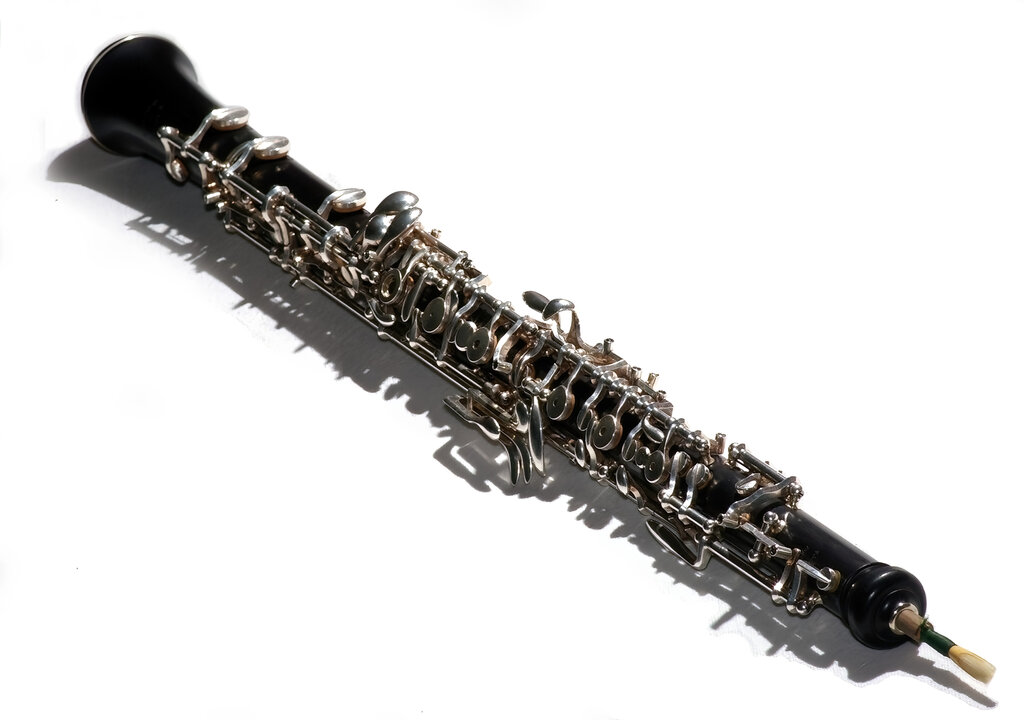
An oboe is a slender tube that gradually widens from top to bottom, a shape known as a conical bore. This cone-like shape is crucial for its specific tone quality and pitch. The body of the oboe is usually crafted from dense, dark hardwoods, most commonly Grenadilla wood from Africa. This type of wood is favored for its stability and tonal properties. Some student models or oboes meant for outdoor use are made from durable synthetic materials to resist changes in temperature and humidity.
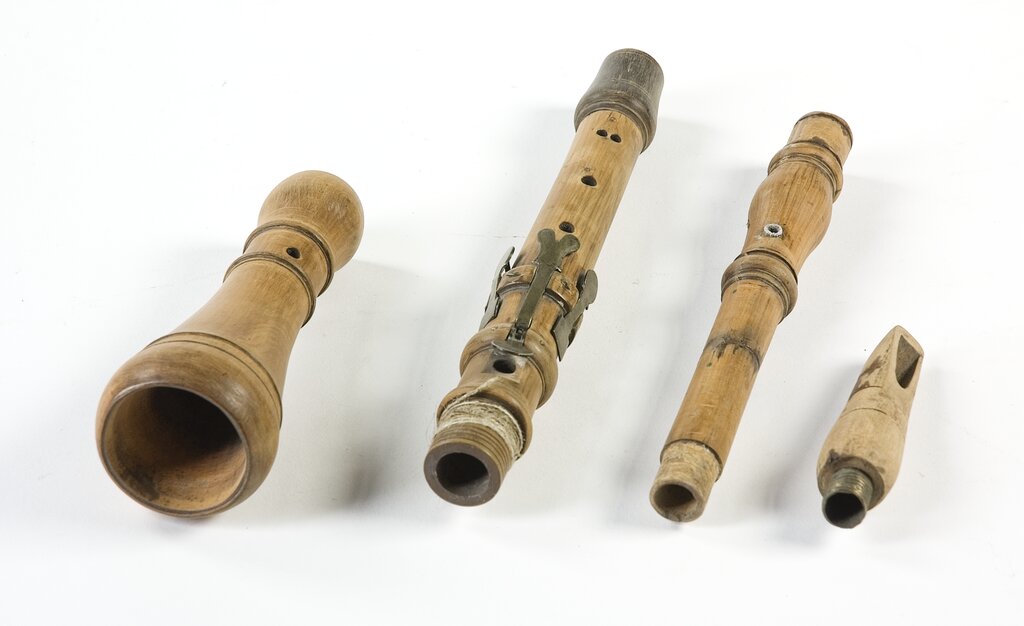
The instrument comes apart into three main sections: the upper joint, the lower joint, and the bell. The intricate system of metal keys, levers, and pads that run along the body allows the player to open and close holes to produce different notes.
The All-Important Reed
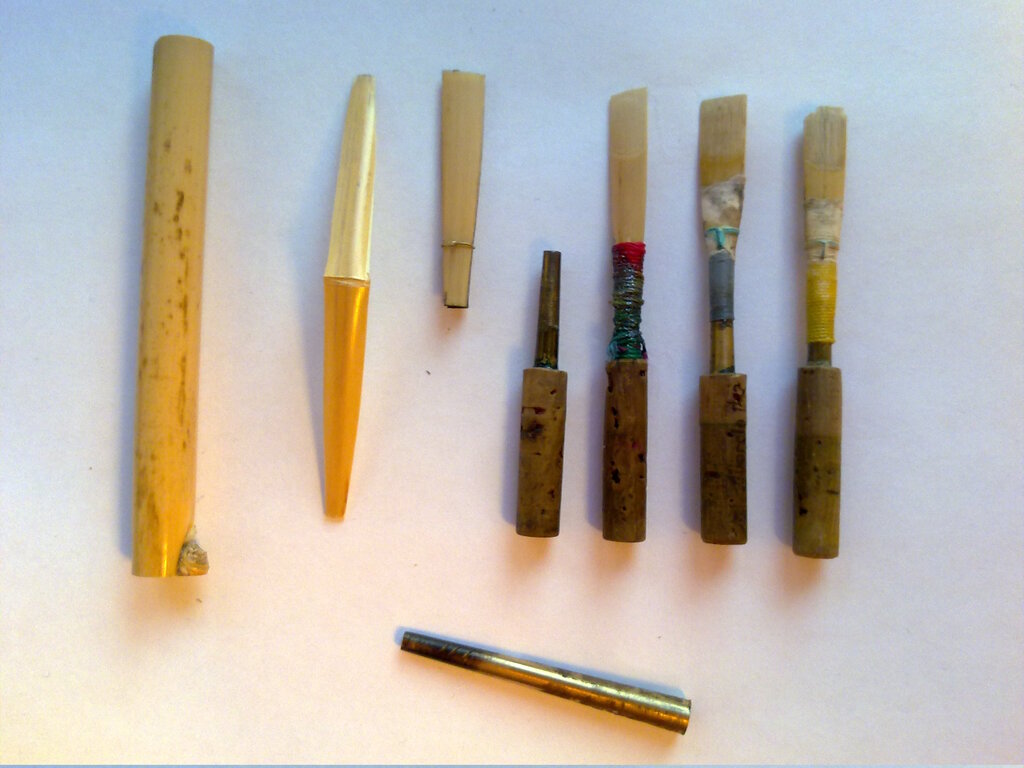
The heart of the oboe's sound is the double reed. It's made from two small, thin pieces of cane (a type of grass) that are precisely shaped and tied together onto a small metal tube. The player places this reed between their lips and blows, causing the two pieces of cane to vibrate rapidly against each other.
The oboe produces sound when air is blown between two thin pieces of cane, causing them to vibrate and create sound waves that resonate through the instrument’s body.
These vibrations are what create the sound. The instrument's body then acts as a resonance chamber, amplifying and shaping those vibrations into the oboe's characteristic tone. Many professional oboists make their own reeds, a delicate and time-consuming craft that gives them precise control over their sound.
The Oboe's Role
The oboe has a wide range of notes it can play, typically from a low B♭ below middle C (B♭₃) up to a high G (G₆), nearly three octaves higher. This versatility makes it a valuable voice in many musical settings, including orchestras, concert bands, and smaller chamber groups like woodwind quintets.
In an orchestra, the oboe has a special job. Before a concert or rehearsal begins, you'll often hear one long, clear note played by itself. That's the oboe.
The principal oboist is responsible for tuning the orchestra, using the oboe’s clear, penetrating A.
Its stable pitch and distinct tone cut through the chatter and allow all the other musicians to tune their instruments to the same reference note, ensuring they all start in harmony.

Ready to review what makes the oboe unique? Let's go over the key terms.
Now, let's test your knowledge on the basics of the oboe.
What is the primary component responsible for producing sound in an oboe?
The body of a professional-grade oboe is most commonly crafted from what material?
From its reedy voice to its role as the orchestra's tuning fork, the oboe is a fascinating and essential instrument.