The Oboe Explained
Oboe Origins
Ancient Whispers
The oboe's story begins not with wood and metal, but with a simple concept: making sound by blowing air through a vibrating blade of grass or a reed. For thousands of years, cultures across the globe created music this way. These early instruments, often made from hollow plant stalks, were the distant ancestors of all woodwinds.
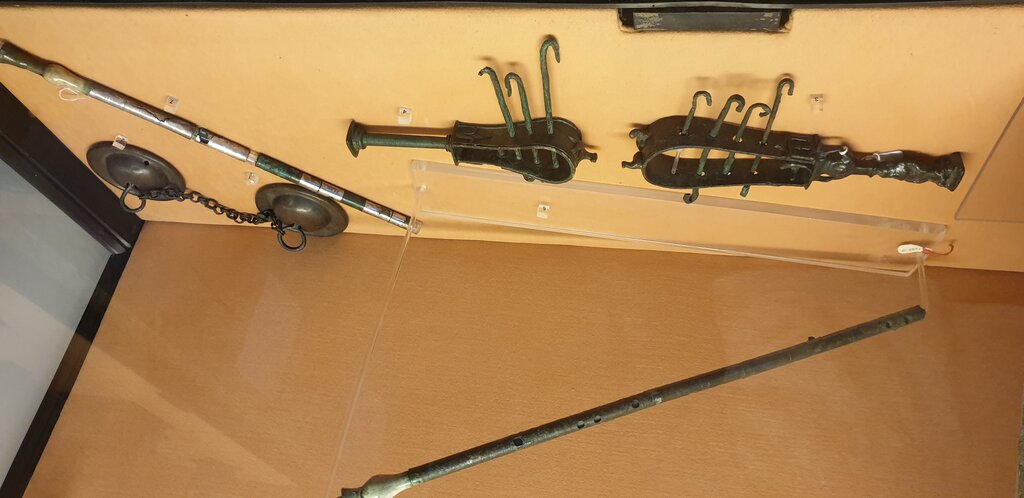
These ancient pipes used a double reed, two pieces of cane tied together that vibrate against each other. This setup produces a powerful, penetrating sound. Over centuries, instrument makers refined this basic idea, leading to a loud and lively instrument that would dominate outdoor ceremonies and festivals for hundreds of years.
The Shawm Steps In
By the medieval period, the most prominent double-reed instrument in Europe was the shawm. It had a conical bore, meaning the inside gradually widened from top to bottom, and a flared bell, which made it incredibly loud. Its piercing tone was perfect for military bands, town festivities, and outdoor processions where it needed to be heard over a crowd.
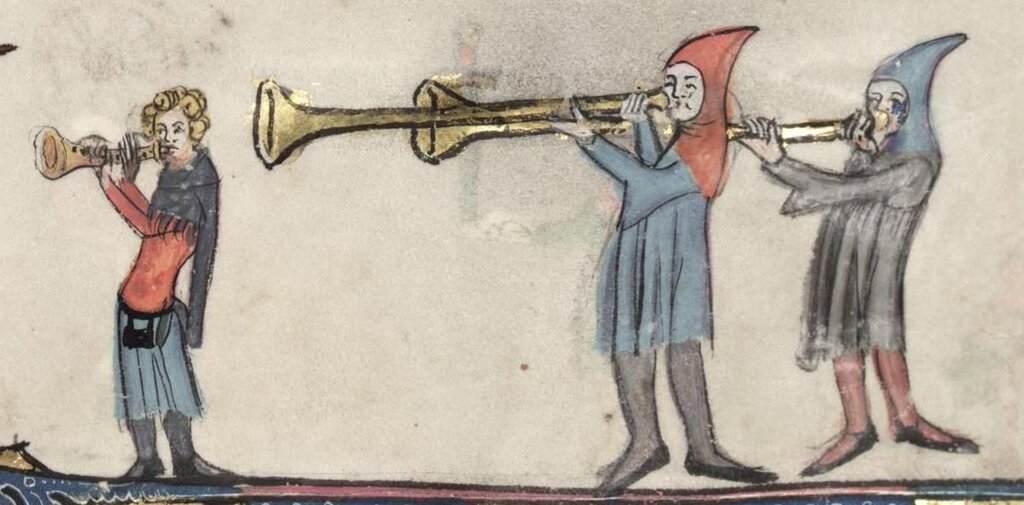
While powerful, the shawm wasn't very subtle. Players had limited control over dynamics, and its raw, trumpet-like sound was too overpowering for the intimate indoor settings of court music, which were becoming more popular in the 17th century. Composers and musicians wanted an instrument with a sweeter, more refined voice that could blend with strings and sing with expressive nuance. The shawm had to be tamed.
The loud, outdoor shawm needed to evolve into a more delicate instrument for indoor court music.
The First Oboes
Around the 1650s in France, instrument makers like the Hotteterre family began redesigning the shawm. They narrowed the bore, made the walls of the instrument thicker, and created a more sophisticated reed that players held directly with their lips. This gave the player far more control over the sound.
They also constructed the new instrument in three sections, or joints. This change in construction, along with the addition of a few keys, made it more reliable in tuning. The result was the Baroque oboe, or hautbois (French for “high-wood”). It had a warmer, more focused tone than the shawm, capable of both expressive solos and blending smoothly within an ensemble.
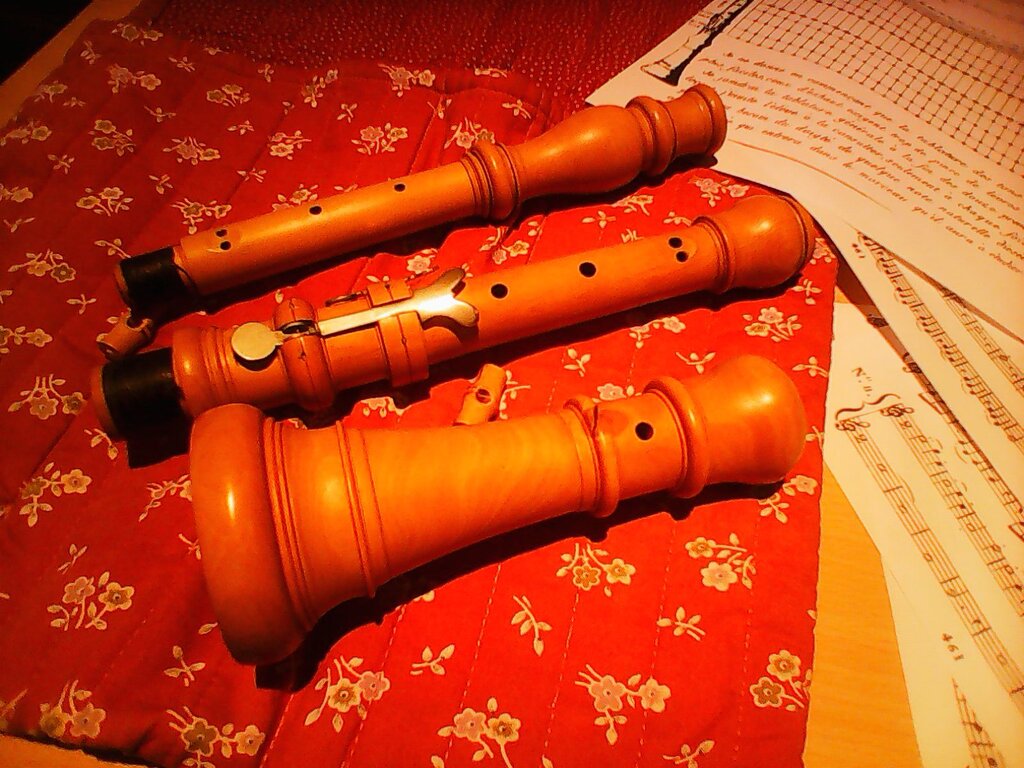
This new instrument was a huge success. Composers like Jean-Baptiste Lully featured it prominently in his orchestra at the court of King Louis XIV, and its popularity quickly spread across Europe. Throughout the 18th and 19th centuries, makers continued to add more keys to improve tuning and make difficult passages easier to play. Each addition was a step away from the simple shawm and a step toward the oboe we know today.
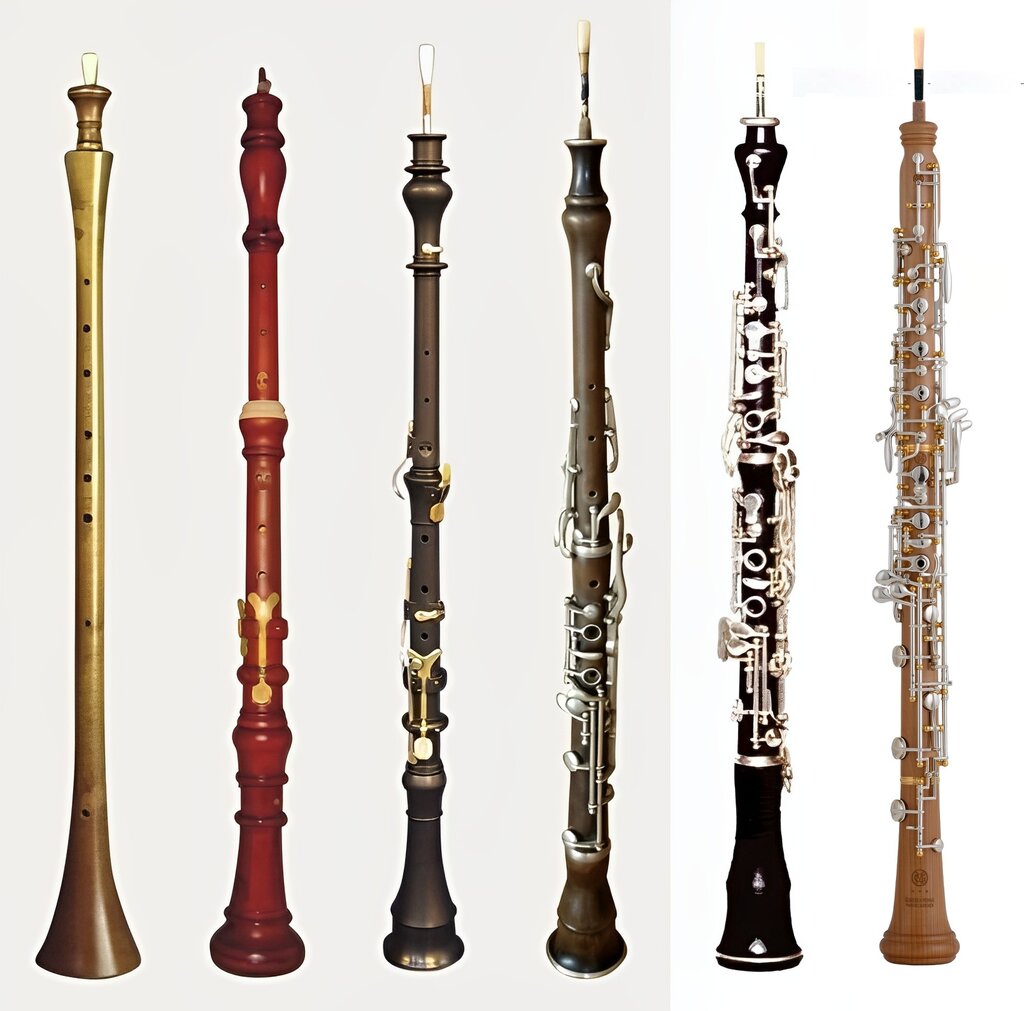
Let's review the key terms from the oboe's early history.
Now, check your understanding of the oboe's development.
What loud, conical-bore instrument was the direct predecessor to the Baroque oboe?
What was the primary motivation for redesigning the shawm into the oboe in the 17th century?
From a buzzing reed in the ancient world to the boisterous shawm and finally the elegant Baroque oboe, the instrument's journey reflects the changing tastes and demands of music itself.