The Oboe Explained
Oboe Basics
The Oboe's Anatomy
The oboe is a member of the woodwind family, but it has a special way of making sound. Unlike a flute that uses a stream of air across an opening, or a clarinet that uses a single reed, the oboe uses a double reed. This is the heart of its unique voice.
The oboe is a double-reed woodwind instrument, meaning it uses two pieces of cane (reed) to produce sound.
This double reed is made from two thin pieces of cane carefully tied together. Oboists are famously particular about their reeds, and many spend hours scraping and shaping them by hand to get the perfect response and tone. When an oboist blows air through the tiny opening between the two reeds, they vibrate rapidly against each other. This creates a buzzing sound, which is the raw material for the oboe's music.
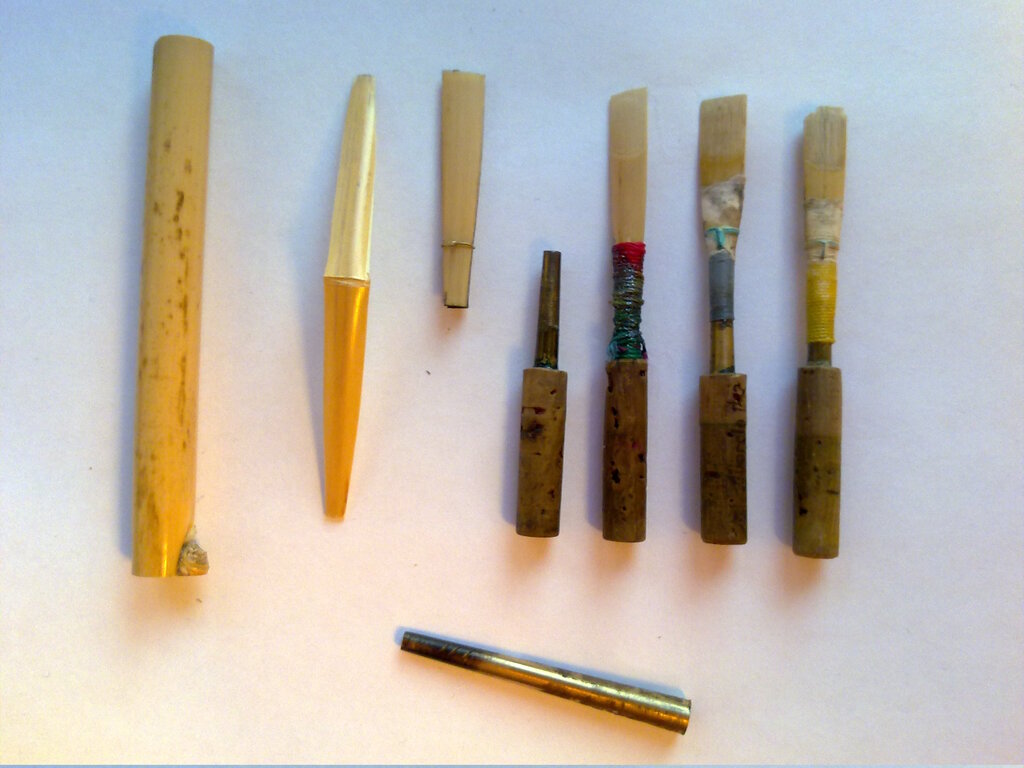
From Buzz to Music
That initial buzz from the reed travels down the body of the instrument. The oboe itself is a long, slender tube typically made from grenadilla, a dense, dark wood from Africa. The body is assembled from three sections: the upper joint, the lower joint, and the bell at the very end.
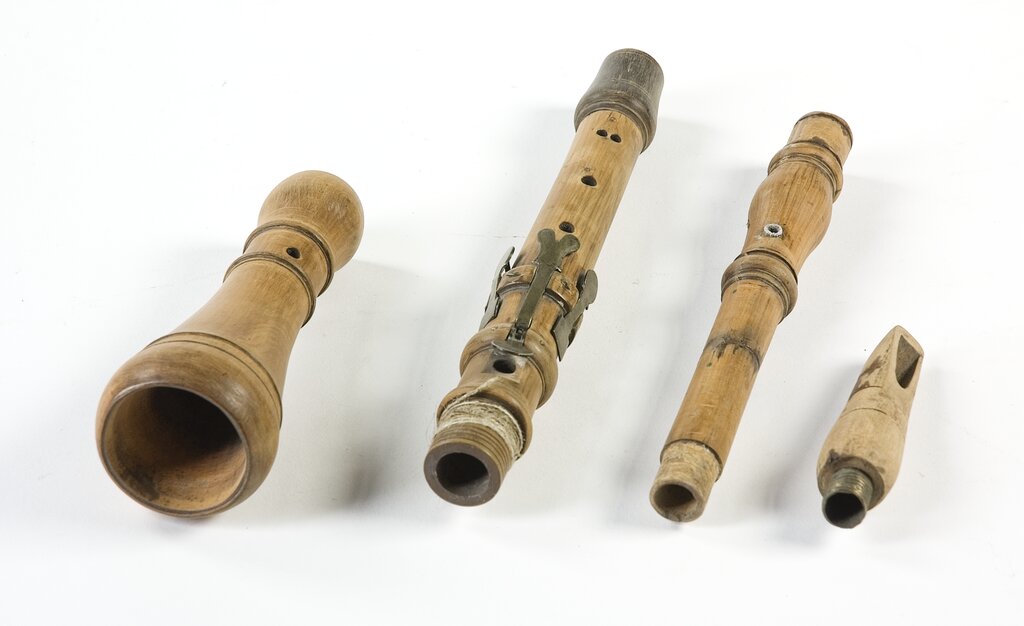
The inside of this tube, called the bore, is not a perfect cylinder. It's conical, meaning it gradually gets wider from the reed down to the bell. This cone shape is crucial. It amplifies the buzz from the reed and shapes its harmonic content, transforming a simple vibration into a rich, full-bodied musical tone.
By pressing keys along the oboe's body, the player opens and closes holes. This changes the effective length of the vibrating air column inside the bore, which is how different pitches are produced. A shorter air column creates a higher note, and a longer one creates a lower note.
The Oboe's Voice
The combination of the vibrating double reed and the conical wooden body gives the oboe its distinctive sound, or timbre. It's often described as penetrating, nasal, and clear. It can be intensely expressive and plaintive, or bright and joyful.
timbre
noun
The character or quality of a musical sound or voice as distinct from its pitch and intensity.
This unique sound quality is why an orchestra tunes to the oboe's A. Its focused, steady tone cuts through the sound of other instruments, providing a reliable reference pitch for everyone.
What is the primary component responsible for creating the initial vibration in an oboe?
How does the shape of the oboe's internal bore affect its sound?
Understanding these basic elements of construction and sound production is the first step to appreciating the oboe's remarkable character.