The Oboe Explained
Introduction to the Oboe
The Orchestra's Voice
In the world of musical instruments, the oboe holds a special place. It belongs to the woodwind family, a group of instruments that produce sound when a player blows air into them. Other members you might know are the flute, clarinet, and bassoon.
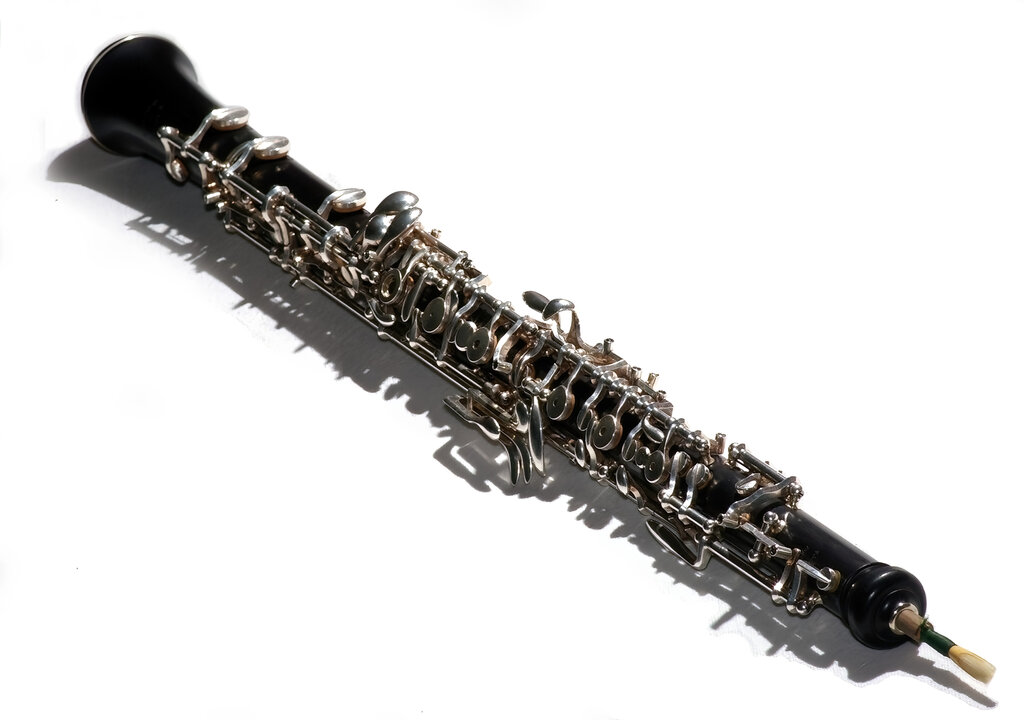
The oboe is a double-reed instrument and member of the woodwind family.
What makes the oboe unique is its double reed. This is the part the player blows into. It’s made of two thin pieces of cane tied together. When air passes through them, they vibrate very quickly, creating the instrument's signature sound.
A Sound That Stands Out
The sound of the oboe is often described as clear, penetrating, and a little bit nasal. It has an expressive, almost voice-like quality that can convey a wide range of emotions, from mournful and plaintive to bright and joyful. It's not a shy instrument; its sound carries well.
Because of its distinct and stable pitch, the oboe has a very important job in the orchestra. Before a concert begins, you'll hear a single, long note played for everyone to hear. That's the oboe, playing an 'A'. The rest of the orchestra tunes their instruments to that note, ensuring everyone starts in harmony.
The oboe's sound is so focused and reliable that it acts as the orchestra's tuning fork.
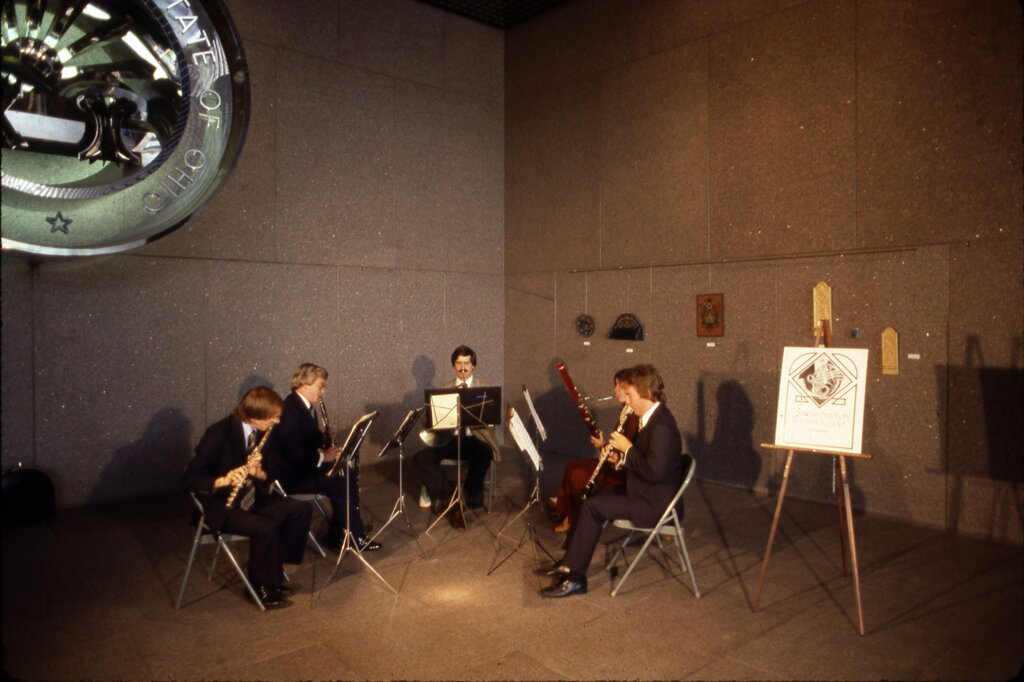
Within an orchestra, the oboe is often given beautiful, lyrical solos. Composers love its ability to sing out over the other instruments. It's also a key player in smaller groups like woodwind quintets, where it blends with the flute, clarinet, bassoon, and French horn.
From Shawm to Symphony
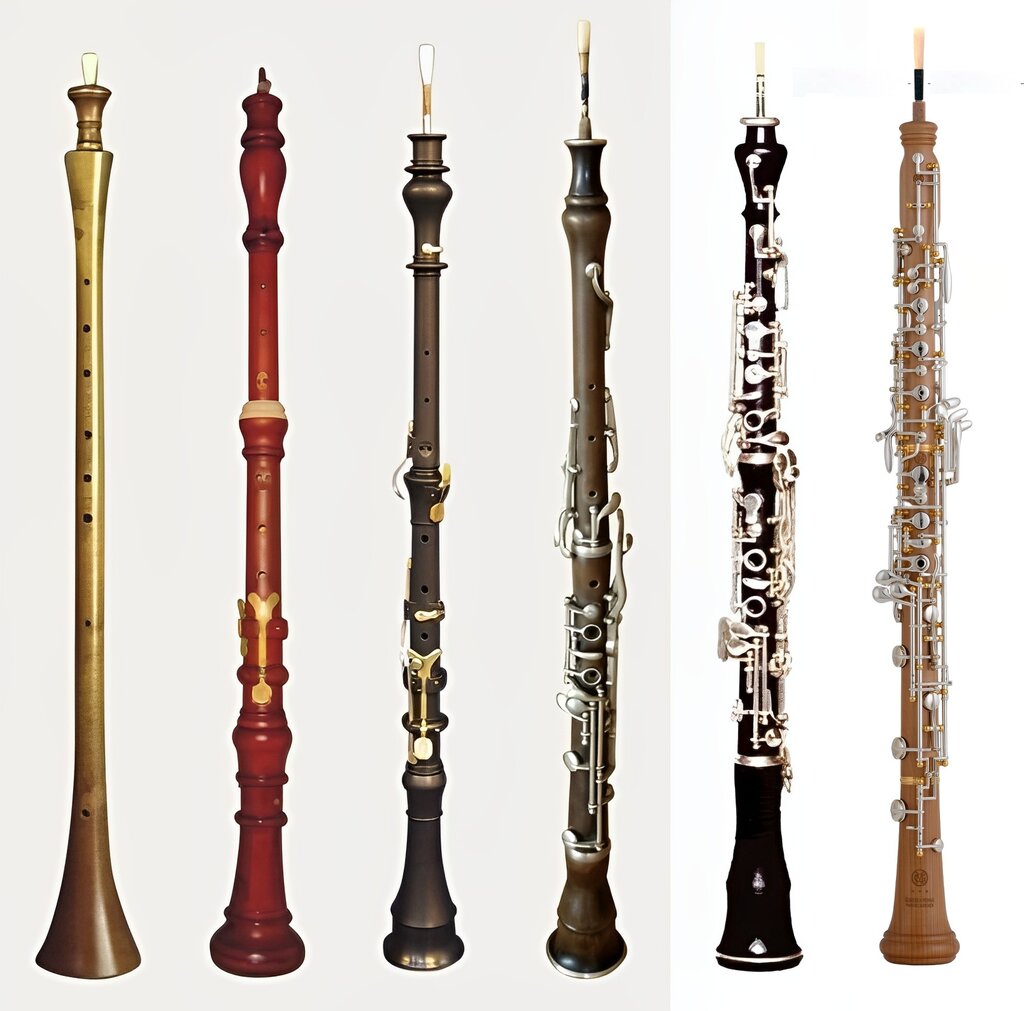
The oboe didn't appear overnight. Its family tree goes back centuries to an instrument called the shawm. Shawms were popular from medieval times through the Renaissance. They were also double-reed instruments, but they had a much louder, more raucous sound, suitable for outdoor festivals and processions.
| Instrument | Era | Sound | Use |
|---|---|---|---|
| Shawm | Medieval-Renaissance | Loud, piercing | Outdoors, ceremonies |
| Baroque Oboe | Baroque (1600s-1750s) | Softer, sweeter | Indoors, ensembles |
| Modern Oboe | Classical-Present | Refined, versatile | Orchestras, solo work |
In the mid-1600s, instrument makers in France began refining the shawm. They gave it a narrower body, smaller finger holes, and more keys. The result was the Baroque oboe, an instrument with a sweeter, more delicate tone suitable for indoor concerts and the newly forming orchestras.
Over the next couple of centuries, the oboe continued to evolve. Makers added more keys, which made it easier to play more complex music and improved its tuning. This gradual development led to the modern oboe we see in orchestras today, a sophisticated instrument capable of incredible nuance and expression.
Let's review the main ideas we've covered.
Now, test your knowledge.
What is the name of the component that an oboist blows into to produce sound?
Why is the oboe typically chosen to provide the tuning note for an orchestra?
From its ancient roots to its starring role in the modern orchestra, the oboe is a fascinating instrument with a rich history and a voice that's impossible to ignore.