The Oboe Explained
Introduction to the Oboe
Meet the Oboe
The oboe is a woodwind instrument with a voice that's hard to miss. Its sound is produced by blowing air through two small pieces of cane tied together, known as a double reed. This reed vibrates, creating a distinctive, penetrating tone that can cut through the sound of an entire orchestra.
The oboe is a woodwind instrument with a conical bore (a cone-like tube), metal keys, a flared bell and a double reed, which vibrates when the player blows through it.
Physically, the oboe is a slender tube, typically made of dark grenadilla wood, that gradually widens from top to bottom. This cone-like shape is called a conical bore. Along its body is a complex system of metal keys that the player presses to change notes. The instrument ends in a flared bell, which helps project the sound.
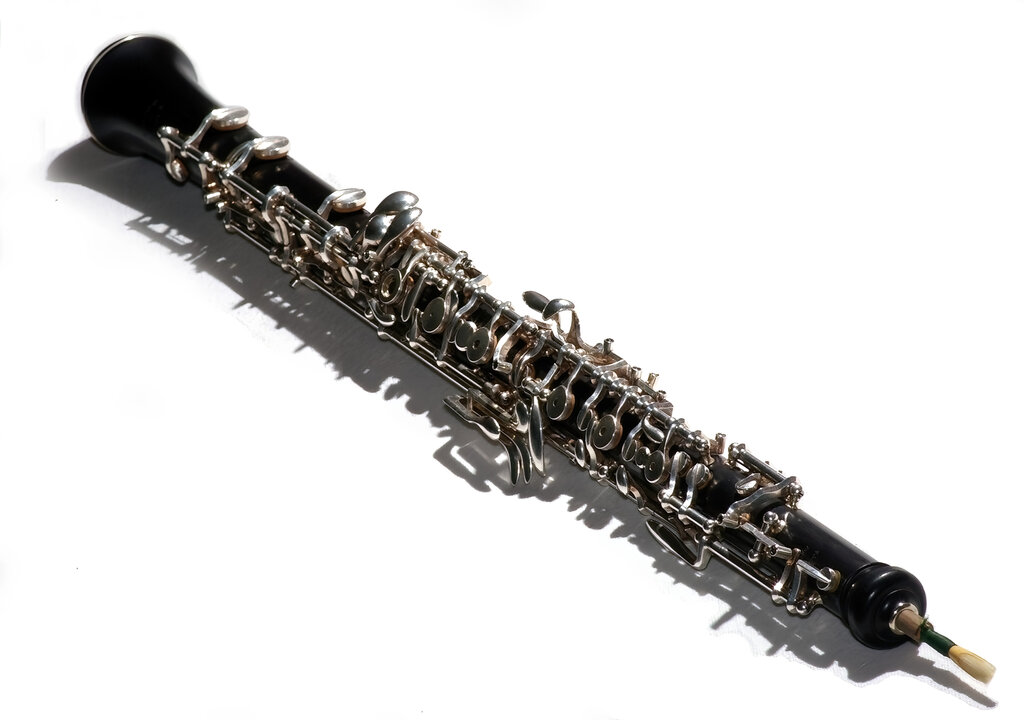
A Clear Voice
The oboe's sound, or timbre, is often described as bright, reedy, and expressive. It has a focused quality that makes it stand out. Because its pitch is very stable and less affected by temperature changes than string instruments, the oboe is traditionally used to sound the tuning note 'A' for the entire orchestra before a performance begins. Everyone tunes to the oboe.
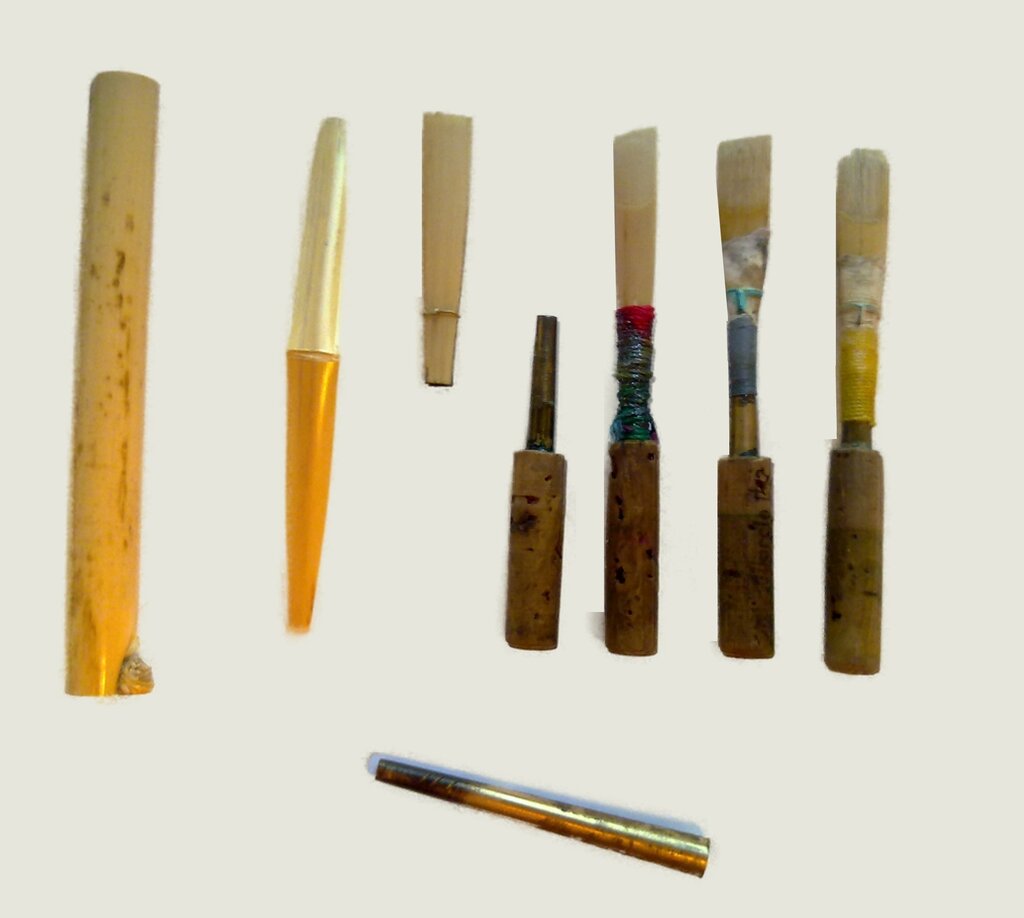
The double reed is the heart of the oboe's sound. Oboists often make their own reeds by hand, carefully scraping and shaping two pieces of cane to achieve the perfect vibration and tone. This personal craft makes each oboist's sound unique.
From Shawm to Symphony
The modern oboe has a fascinating history, tracing its roots back to an instrument called the shawm. The shawm was a popular double-reed instrument from the medieval period through the Baroque era, but it was loud and best suited for outdoor ceremonies and festivals.
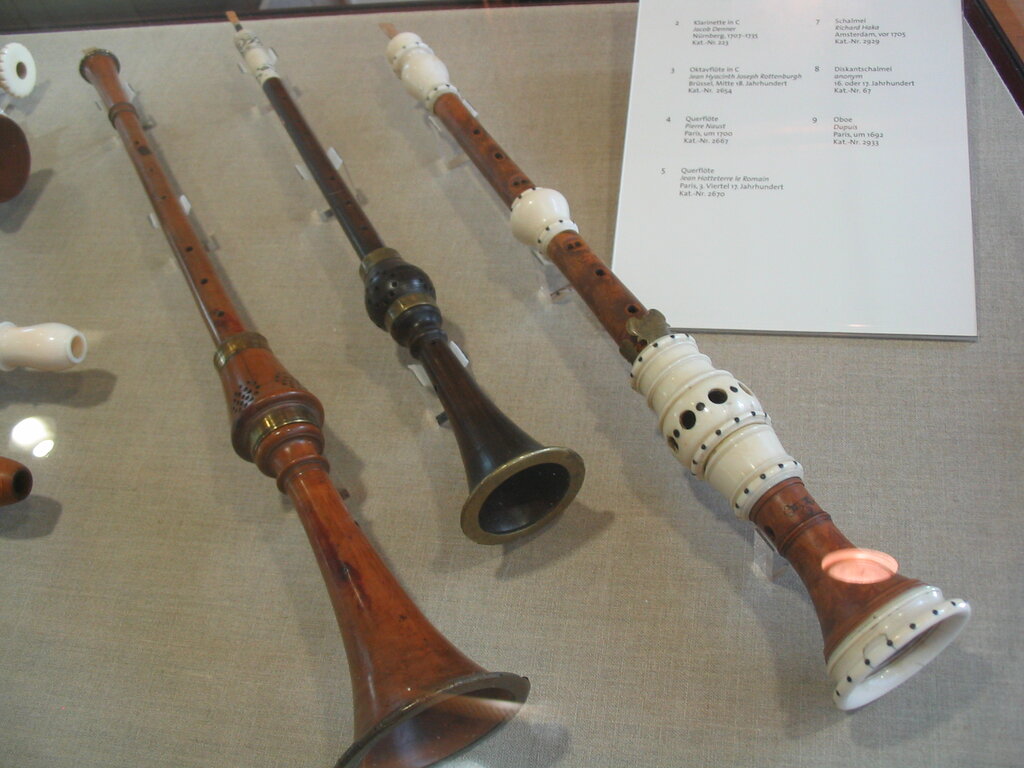
In the mid-17th century, French instrument makers began refining the shawm for indoor use in the court of King Louis XIV. They gave it a narrower bore, a more delicate reed, and divided the body into three sections, making it more portable and refined. This new instrument, called the hautbois (French for "high wood"), was the direct ancestor of our modern oboe. Over time, more keys were added to improve its range and intonation, leading to the sophisticated instrument played in orchestras today.
| Feature | Shawm | Modern Oboe |
|---|---|---|
| Primary Use | Outdoors, ceremonies | Indoors, orchestra |
| Sound | Loud, piercing | Refined, expressive |
| Bore | Wider, conical | Narrower, conical |
| Keys | Few or none | Many (complex system) |
Time for a quick review of what we've covered.
Let's check your understanding.
How does an oboe produce its distinctive sound?
Why is the oboe traditionally chosen to sound the tuning 'A' for an orchestra?
From its rustic beginnings as the shawm to its esteemed place in the modern orchestra, the oboe has a unique history and a truly singular voice.