The Oboe Explained
Introduction to the Oboe
Meet the Oboe
The oboe is a woodwind instrument that creates sound using a double reed. If you've ever heard a sound in an orchestra that is clear, penetrating, and a little bit nasal, you were likely hearing an oboe. Its distinct voice helps it stand out, even within a full orchestra.
The heart of the oboe's sound is its double reed—two thin pieces of cane tied together that vibrate when a musician blows air through them.
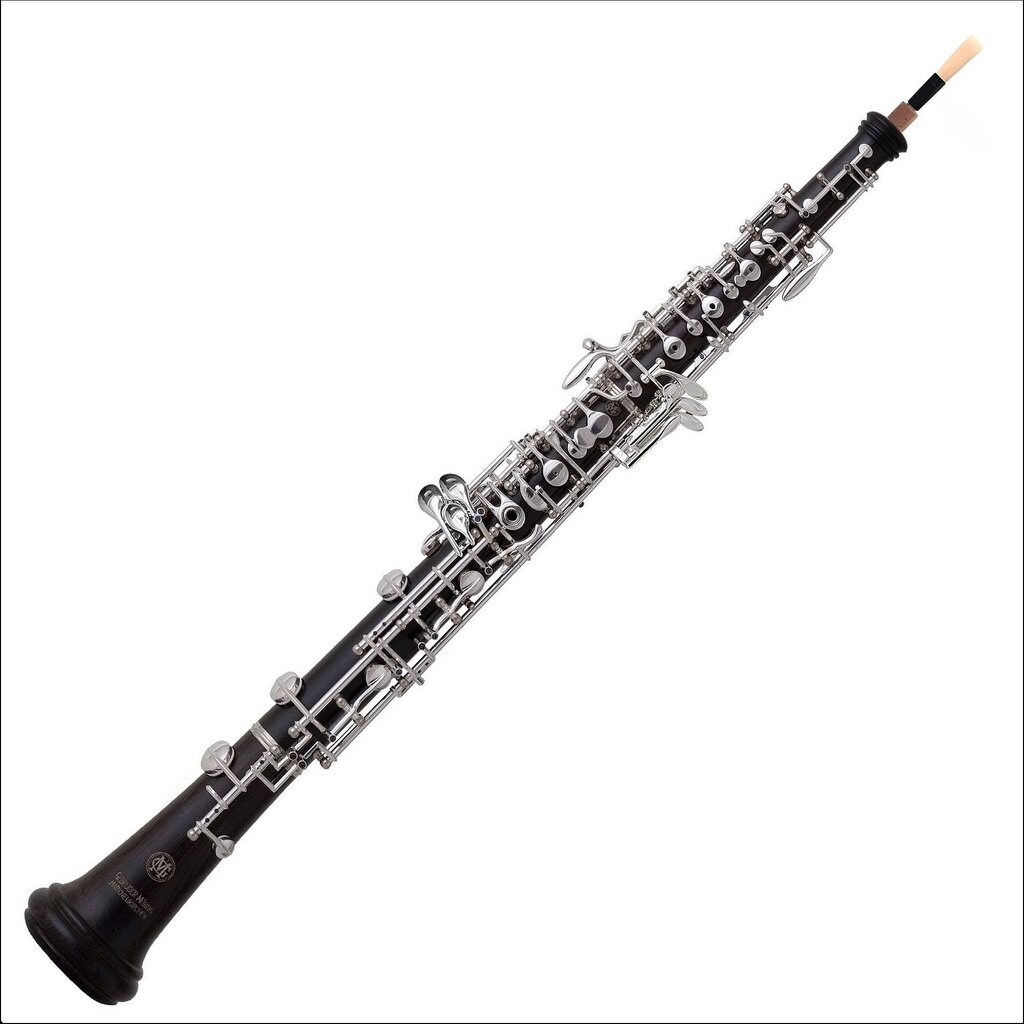
In many orchestras, the oboe has a special job. Before the concert begins, you'll often hear a single, sustained note. That's the oboist playing an 'A'. The rest of the orchestra then tunes their instruments to match this pitch. The oboe gets this role because its pitch is very stable and can cut through the sound of other instruments, making it an ideal reference point.
Sound and Structure
The oboe's unique sound quality, or timbre, is often described as reedy, clear, and focused. It can be quite expressive, capable of both poignant, lyrical melodies and bright, cheerful passages.
The instrument's range covers about two and a half octaves, starting from the B-flat just below middle C on a piano. This allows it to play a wide variety of music, from soaring solos to intricate harmonies within the woodwind section.
Modern oboes are typically made from grenadilla, a dense and dark wood from Africa, also known as African blackwood. This wood is chosen because it resists changes in humidity and temperature, helping the instrument stay in tune. The oboe's body has a conical bore, meaning it gradually widens from the top to the bottom, ending in a flared bell.
Covering the instrument is a complex system of metal keys and pads. When a musician presses a key, it closes a hole on the instrument's body, which changes the length of the air column inside and, therefore, alters the pitch. This intricate mechanism allows for fast and precise fingerwork.
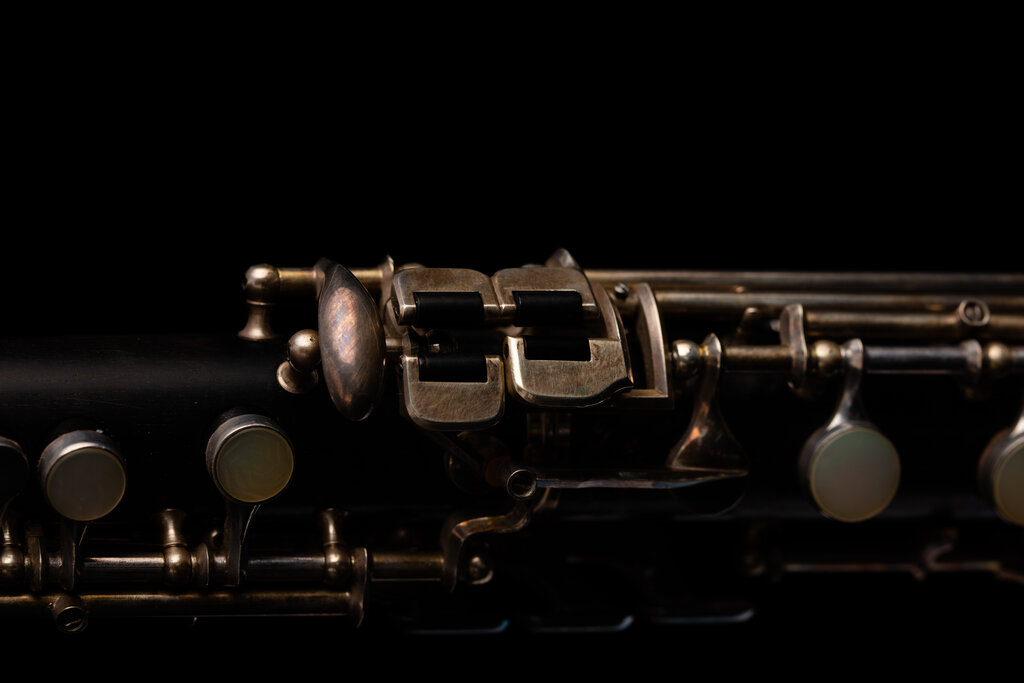
The combination of the double reed, the grenadilla wood body, and the precise key system all work together to produce the oboe's distinctive and memorable sound.
What is the primary reason the oboe is used to provide the tuning note for an orchestra?
How does an oboe produce its sound?