The Oboe Explained
Oboe Origins
Ancient Airs
The story of the oboe begins long before the instrument as we know it existed. Its roots lie in ancient double-reed instruments, which were found across the globe from the Mediterranean to East Asia. One of the most well-known is the Greek aulos, a pipe played in pairs that was central to ancient Greek life, appearing at festivals, funerals, and even in the military.
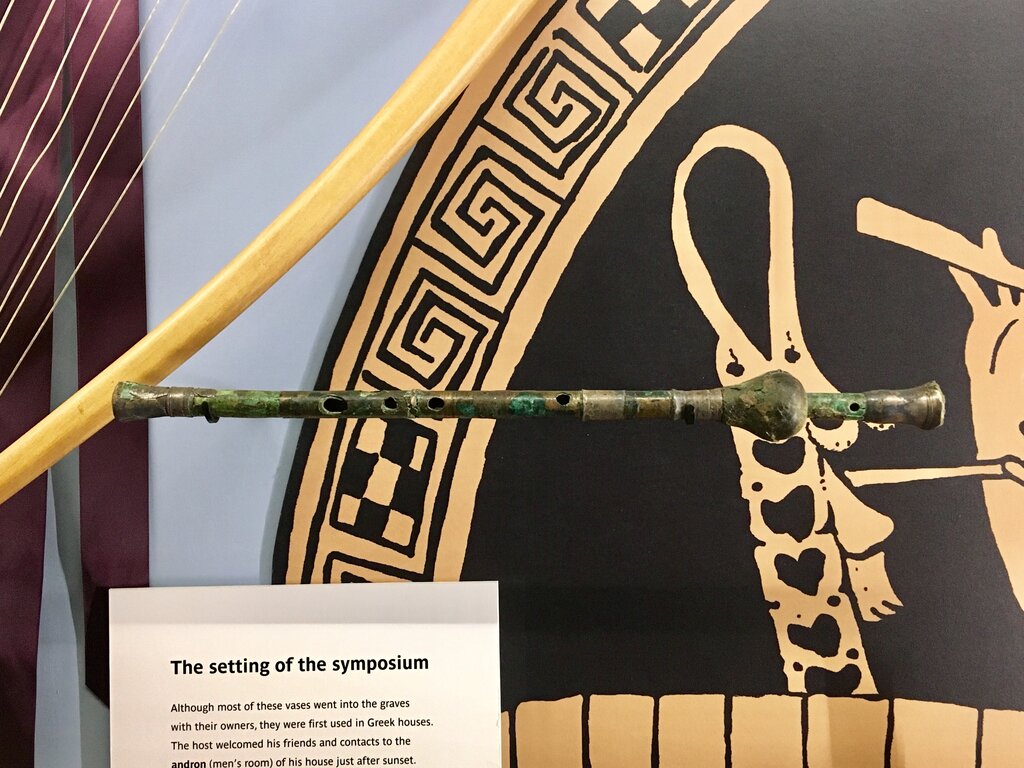
These early instruments were typically made from wood, bone, or metal, and they all shared a basic sound-producing principle: a player's breath vibrates two pieces of reed tied together, creating a buzzing sound that is then amplified by the instrument's body. The sound was often loud and piercing, making it ideal for outdoor ceremonies and events.
The Age of the Shawm
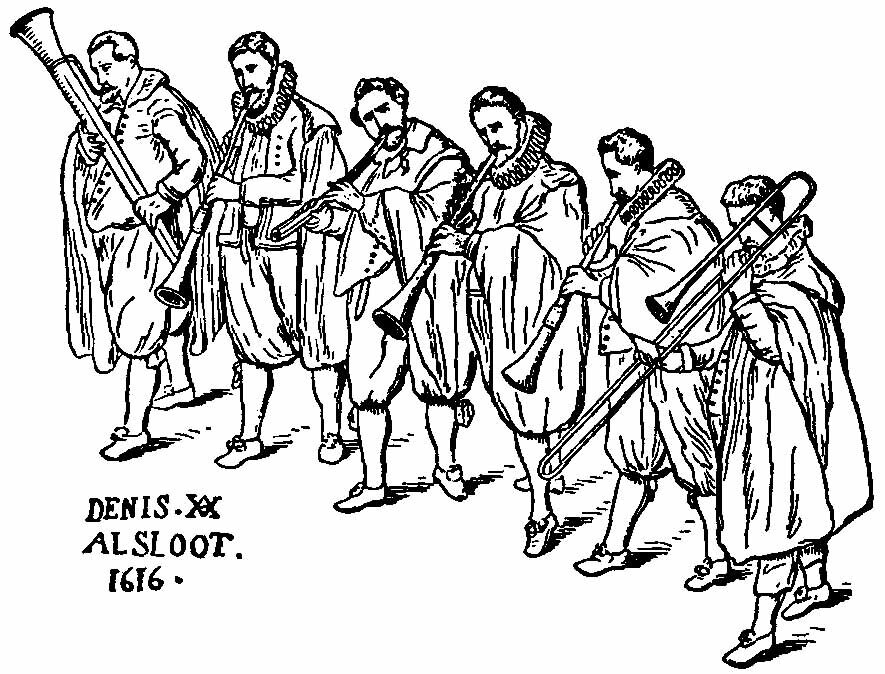
During the Middle Ages and Renaissance, a new double-reed instrument rose to prominence in Europe: the shawm. Descended from Middle Eastern instruments, the shawm was the direct predecessor of the oboe. It had a conical bore, which means it gradually widened from the mouthpiece to the end, and a flared bell, which gave it a loud, trumpet-like tone.
shawm
noun
A medieval and Renaissance double-reed woodwind instrument, the predecessor of the oboe, characterized by its loud, piercing tone.
Because of its powerful sound, the shawm was primarily an outdoor instrument. It was a staple in town bands, military ensembles, and processions. Composers of the time created entire families of shawms, from high-pitched sopranos to deep basses, to play music in rich harmony. However, its raucous voice made it less suitable for the subtleties of indoor chamber music.
A Refined Transformation
The transition from the shawm to the oboe happened in the mid-17th century, largely in the sophisticated musical environment of the French royal court. Musicians and instrument makers wanted a double-reed instrument with a sweeter, more controlled, and expressive tone that could blend with strings and other quieter instruments indoors.
The new instrument, called the hautbois (French for “high wood”), was made in three jointed sections, unlike the one-piece shawm. This allowed for more precise carving of the bore. It had a narrower bore and a smaller reed, which instantly tamed its volume and refined its tone. Early oboes also featured a couple of keys, allowing players to access notes more easily and accurately than was possible with the simple finger holes of the shawm.
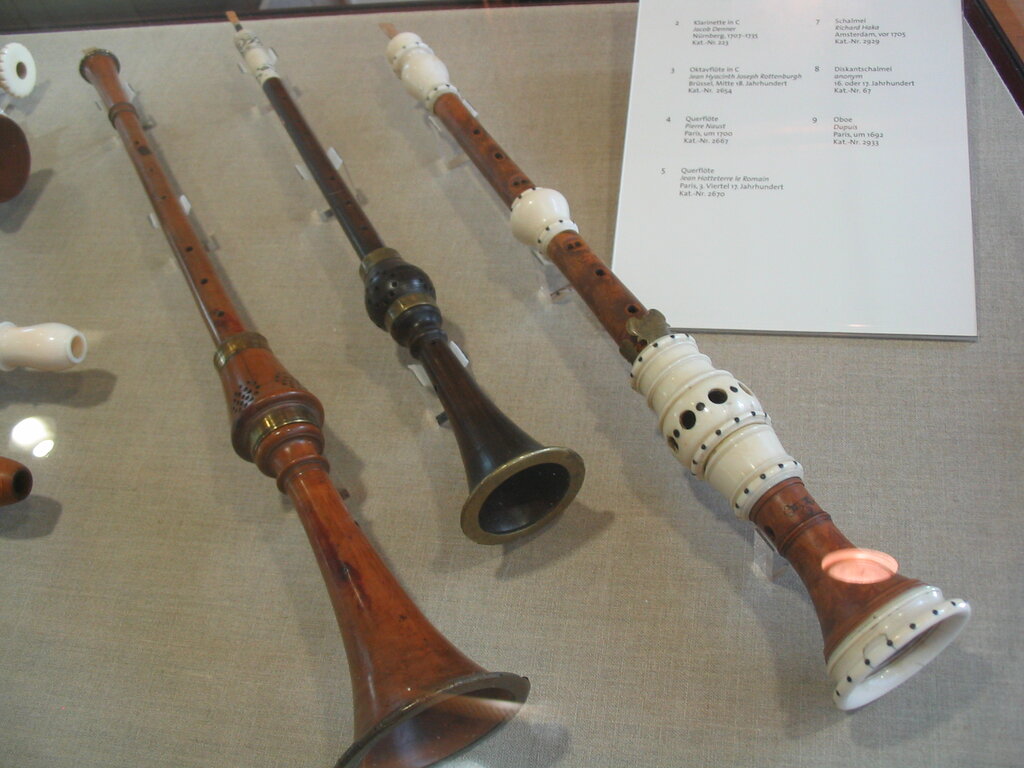
This new instrument was a sensation. Composers like Jean-Baptiste Lully featured it prominently in his court orchestra, and its popularity quickly spread across Europe. The oboe became a standard member of the Baroque orchestra, prized for its vocal, expressive quality. Composers like Bach and Handel gave it beautiful, soaring melodic lines that would have been impossible on the boisterous shawm.
The oboe's transformation allowed it to move from the parade ground to the concert hall.
Throughout the Classical and Romantic eras, the oboe continued to evolve. Instrument makers added more keys, improving its tuning and extending its range. This mechanical sophistication gave composers like Mozart and Beethoven even more confidence in the instrument, leading them to write some of the most memorable solos in the orchestral repertoire for the oboe. Its distinct, plaintive voice made it perfect for conveying moments of deep emotion.
Ready to test your knowledge of the oboe's journey through time?
What instrument is considered the direct predecessor of the oboe, primarily used for outdoor events due to its loud, piercing sound?
Which of the following was a key structural difference between the first oboes (hautbois) and the shawms they replaced?
From ancient ritual pipes to a star of the orchestra, the oboe's history reflects the changing tastes and technologies of music itself.