The Oboe Explained
Introduction to the Oboe
The Voice of the Orchestra
If you've ever heard a piece of classical music that features a beautifully clear, singing melody rising above the other instruments, you were likely listening to an oboe. It's a member of the woodwind family, but it has a special feature that gives it a unique, penetrating sound.
The double reed is what sets the oboe apart from other woodwind instruments like the clarinet or flute.
Unlike a flute player who blows across an open hole, or a clarinetist who uses a single reed, an oboist uses a double reed. This is the heart of the instrument's sound. It’s made of two thin pieces of cane, meticulously shaped and tied together.
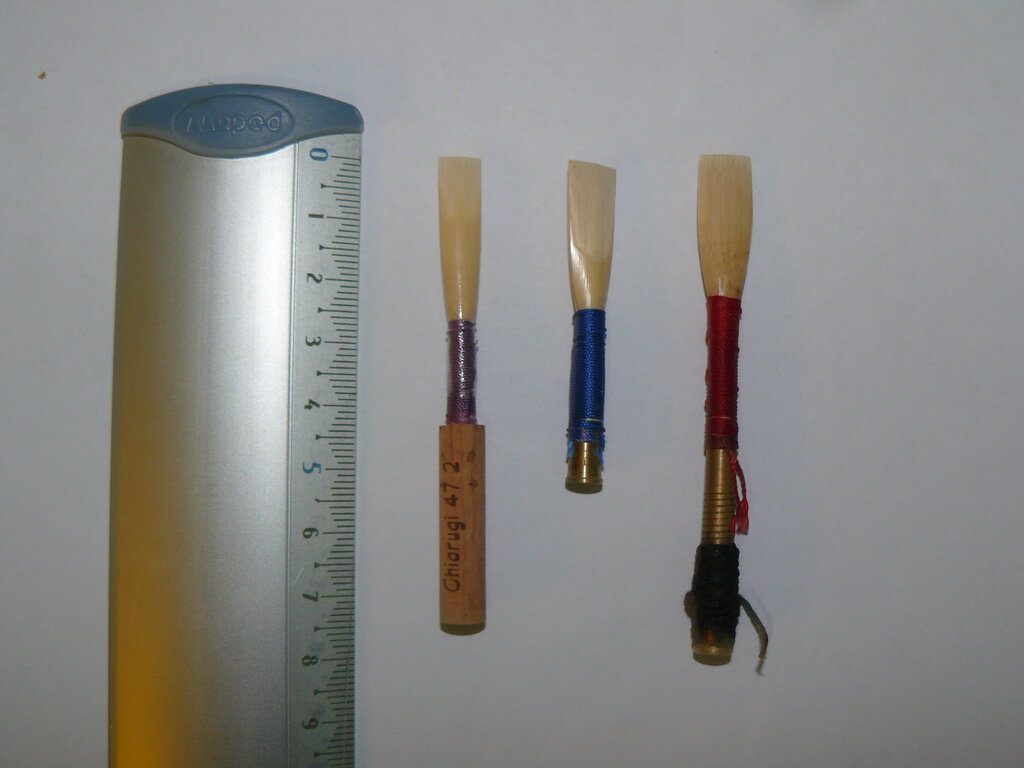
When the player blows air through this tiny opening, the two pieces of cane vibrate against each other at an incredible speed. Those vibrations create the sound waves that travel down the instrument's body, emerging as the oboe’s distinct, and often haunting, tone.
Body and Keys
The body of the oboe is a long, slender tube that gets slightly wider as it goes down. This is called a conical bore. This cone shape is crucial, as it helps give the oboe its rich, warm sound full of complex overtones. The instrument is typically made of a dense wood, like grenadilla, and comes apart into three main sections.
The three sections are the upper joint, the lower joint, and the bell at the very bottom.
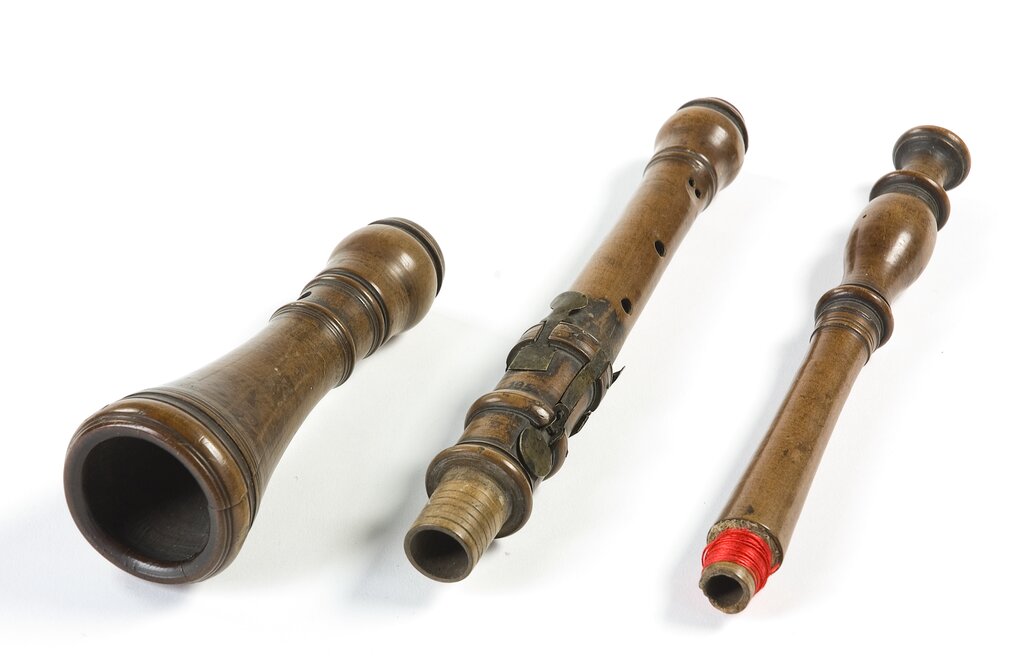
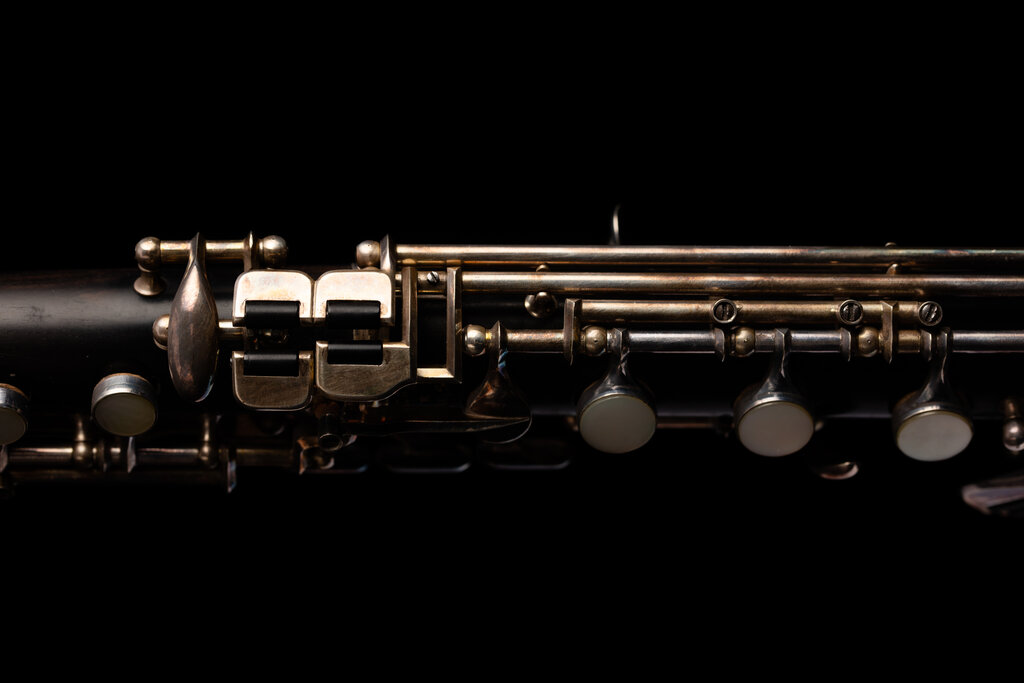
Covering the body is an intricate system of metal keys, levers, and pads. An oboist presses these keys in different combinations to change the length of the air column inside the instrument. A shorter air column produces a higher pitch, and a longer one produces a lower pitch. This complex mechanism allows the player to produce a wide range of notes with precision.
The Oboe's Role
The oboe's clear and stable pitch makes it incredibly important in an orchestra. Before a concert begins, you'll hear one instrument play a single, sustained note for all the other musicians to tune to. That instrument is the oboe, playing the note 'A'.
The principal oboist is also responsible for tuning the orchestra, using the oboe’s clear, penetrating A.
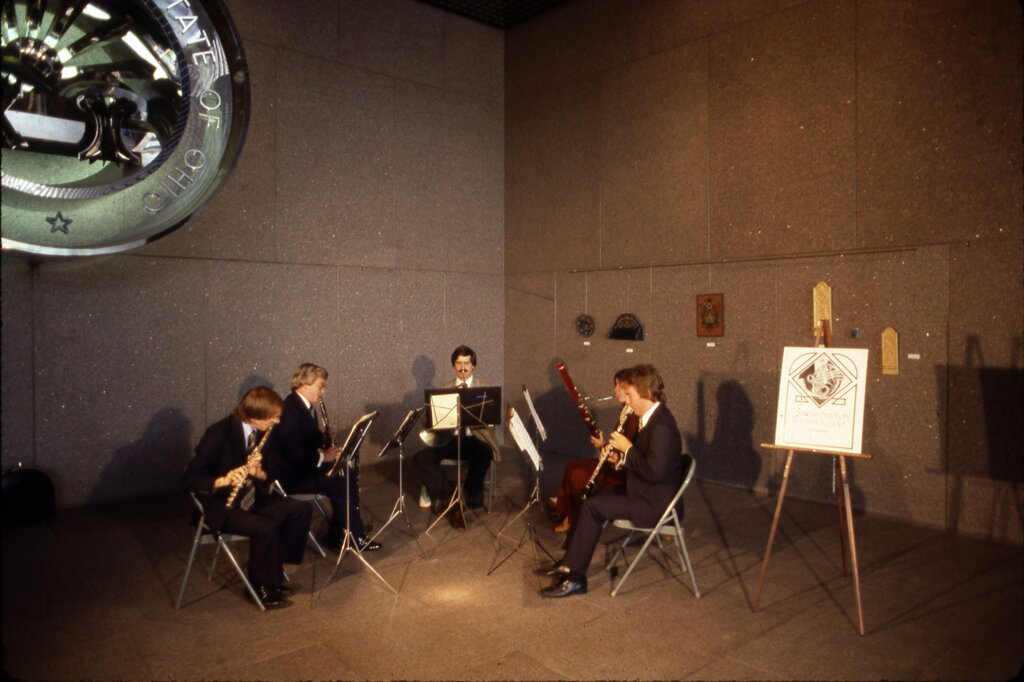
Beyond tuning, the oboe is a versatile performer. In a large orchestra, it often carries beautiful, expressive solos. It's also a key member of smaller groups, like the woodwind quintet, where it blends with the flute, clarinet, bassoon, and French horn. From powerful symphonies to intimate chamber music, the oboe’s voice is an essential part of the musical landscape.
Now that you've been introduced to this unique instrument, let's review what you've learned.
What is the primary component responsible for producing the oboe's unique sound?
Which note does the oboe typically play for the rest of the orchestra to tune to?
With its special double reed and conical body, the oboe holds a unique and vital place in the world of music.