The Oboe Explained
Oboe Origins
From Loud to Elegant
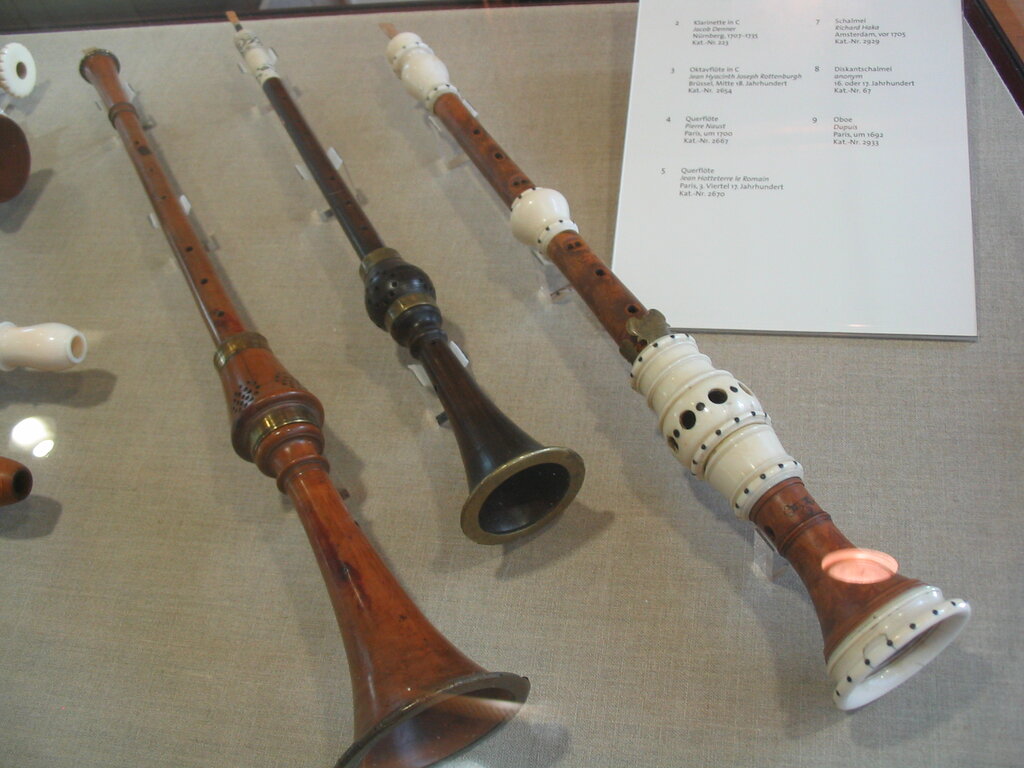
The oboe's story begins long before the gilded halls of Baroque Europe. Its ancestors were instruments known as shawms, a family of powerful double-reed woodwinds used for centuries across Asia and Europe. Imagine a sound loud enough to cut through the noise of an outdoor festival or lead soldiers into battle. That was the shawm.
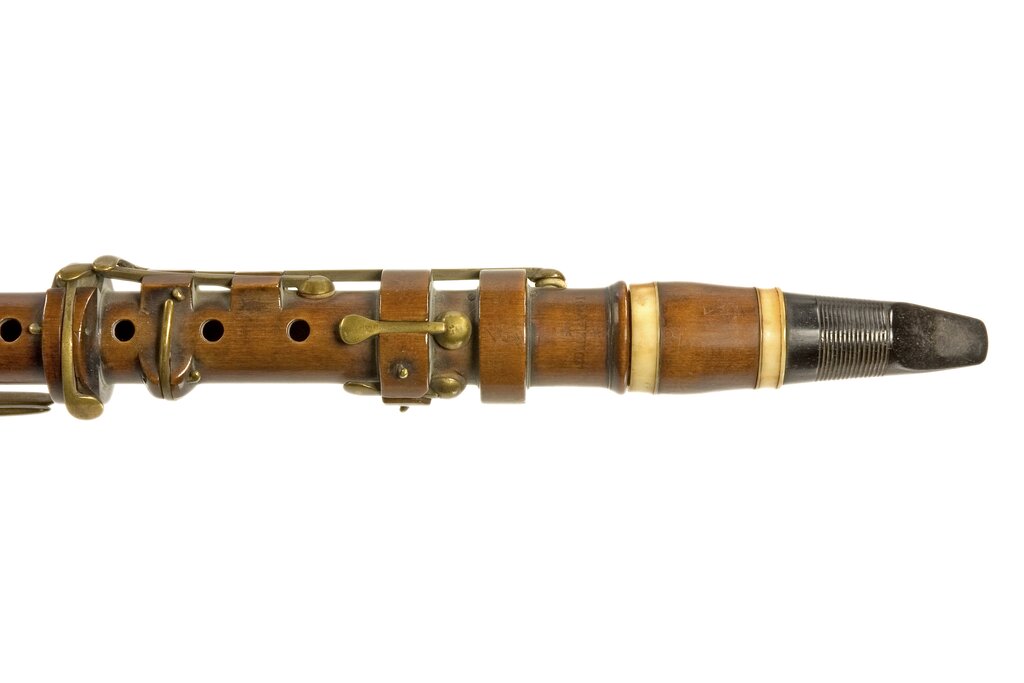
Shawms were built for volume. They had a conical bore that flared out to a wide bell, and their reeds were broad and unrestrained. Players would often place the entire reed inside their mouths, using their cheeks like a bagpipe to produce a continuous, reedy blare. While perfect for outdoor ceremonies, this raw sound wasn't suited for the growing sophistication of indoor court music.
The primary job of the shawm was to be loud. The primary job of the new oboe was to be expressive.
The Birth of the Hautbois
In the mid-17th century, French instrument makers, most notably the Hotteterre family, began to refine the shawm. They wanted an instrument with a sweeter, more controlled tone that could blend with strings and other softer instruments in King Louis XIV's court orchestra.
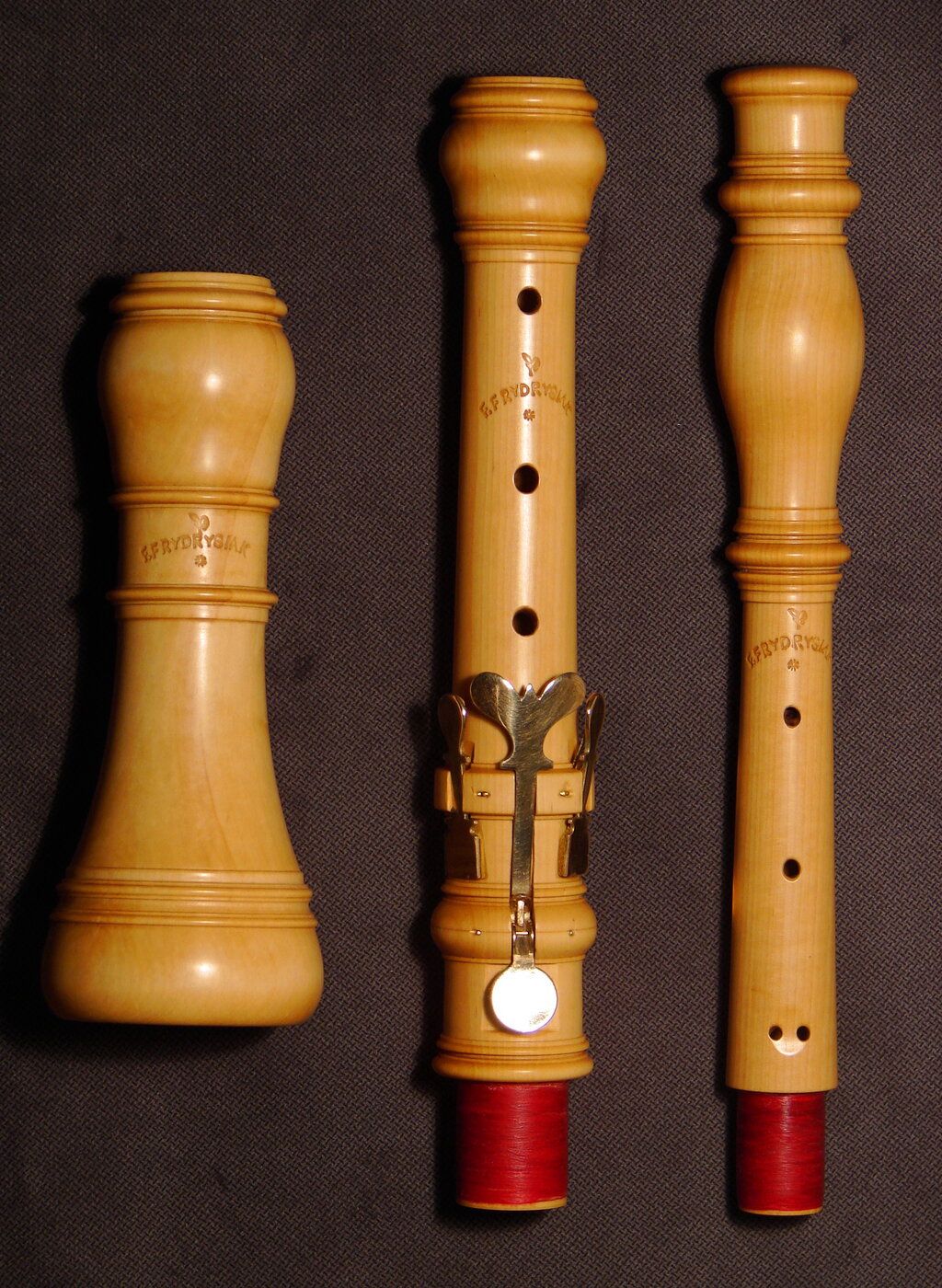
This transformation was dramatic. They narrowed the instrument's bore, shrank the size of the reed, and divided the body into three jointed sections, which improved its tuning. Most importantly, they added keys. While early shawms had few or no keys, the new instrument had several, allowing players to access more notes with greater ease and accuracy.
This new instrument was called the hautbois.
high-wood or loud-wood
The name, which eventually became “oboe” in English, reflected its high pitch and wooden construction. The player now controlled the smaller reed directly with their lips, allowing for a huge range of dynamics and expression that was impossible on the old shawm.
A Star of the Baroque
The hautbois was an instant success. It was first adopted by French military bands, replacing the shrill shawms with a more refined but still powerful sound. From there, it quickly moved into the orchestra. Composers like Jean-Baptiste Lully, who led Louis XIV's orchestra, immediately recognized its potential.
The oboe's clear, singing tone made it a perfect solo instrument. It could carry a melody with the grace of a human voice, and composers across Europe began writing concertos and chamber pieces that featured it prominently. By the time of Bach and Handel in the early 18th century, the oboe was a standard and essential member of the orchestra, trusted to play some of the most beautiful and poignant melodies in the repertoire.
Its journey from the boisterous shawm of the village green to the elegant hautbois of the royal court marked a major step in the evolution of woodwind instruments.
Ready to test your knowledge?
What was the name of the oboe's powerful, double-reed ancestor, known for its use in outdoor festivals and battles?
Which of the following was a key modification made to the shawm to create the hautbois?
From its beginnings as a loud outdoor instrument to its celebrated role in the orchestra, the oboe's early history set the stage for its lasting place in classical music.