The Oboe Explained
Oboe Origins
From Shawm to Hautbois
The story of the oboe begins with a much louder, more assertive ancestor: the shawm. Popular throughout the Middle Ages and Renaissance, the shawm was a double-reed instrument with a conical bore, which gave it a piercing, trumpet-like sound. It was perfect for outdoor events, military processions, and large festivals where its voice could carry over the noise of the crowd.
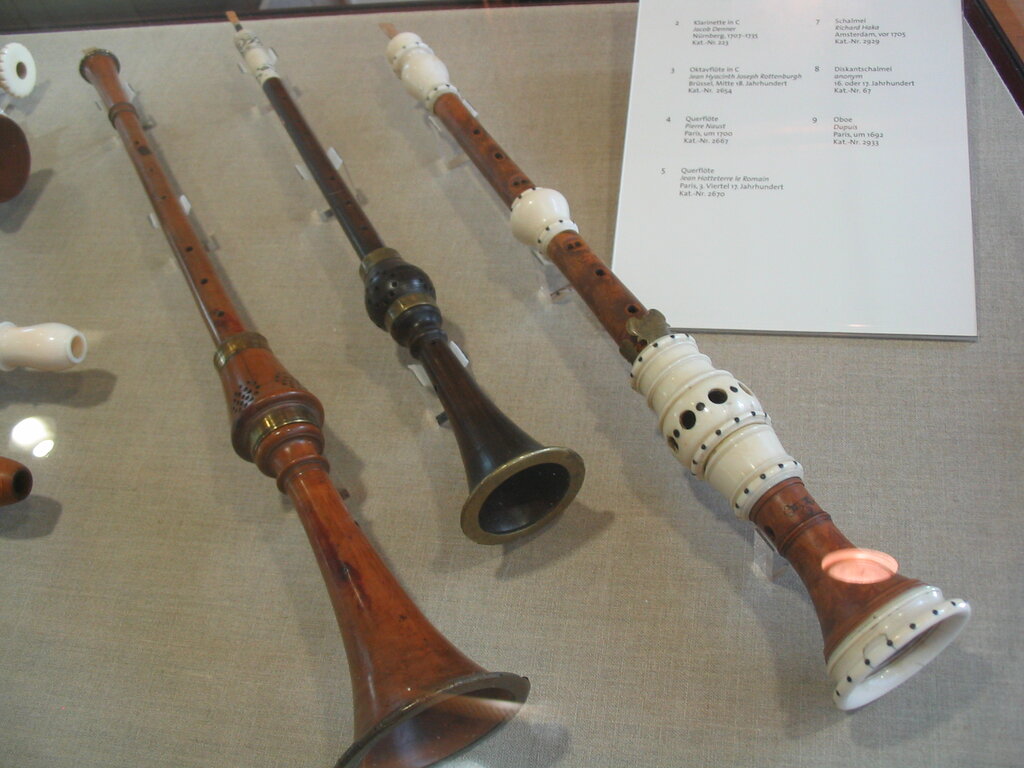
As music moved indoors to the more intimate settings of royal courts and chambers, composers and musicians began to desire an instrument with a sweeter, more refined tone. This need sparked a transformation. In the mid-17th century, likely in the court of French King Louis XIV, instrument makers began to modify the shawm.
The new instrument was called the hautbois, French for “high wood” or “loud wood,” a name that stuck even as its sound became more delicate.
high wood
This new instrument, the Baroque oboe, was a significant redesign. Unlike the shawm, which was typically carved from a single piece of wood, the hautbois was made in three separate sections, or joints. This allowed makers to be much more precise in shaping the instrument's internal bore, which they made narrower. They also refined the reed, making it smaller and thinner. These changes were crucial in taming the shawm's wild sound, giving the player far more control over dynamics and pitch.
A New Voice for the Orchestra
The design changes didn't stop there. While early shawms had few if any keys, the Baroque oboe featured several, typically starting with two or three. These additions weren't for faster playing but for better intonation and to make certain notes easier to produce. The bell at the end of the instrument also became less flared.
The result of these innovations was a completely new musical voice. The Baroque oboe had a warm, expressive, and agile tone that blended beautifully with strings and other woodwinds. Composers like Jean-Baptiste Lully, Johann Sebastian Bach, and George Frideric Handel quickly embraced it, giving it prominent solos in their orchestral and chamber works. It also retained its role in military bands, where its clear tone could cut through the sound of brass and drums.
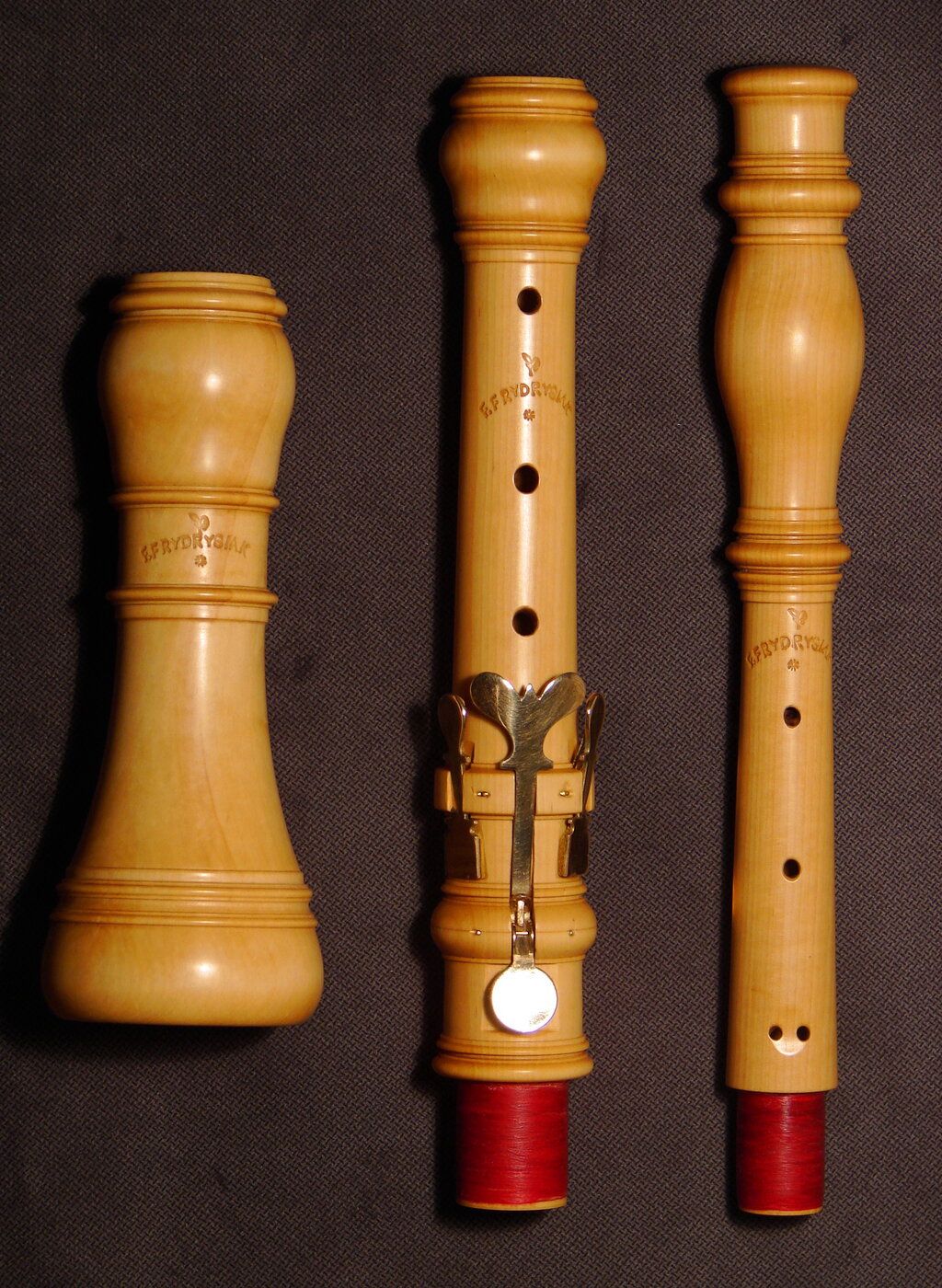
The development of the Baroque oboe marks a pivotal moment in the history of woodwind instruments. It was a shift from raw power to nuanced expression, paving the way for the instrument's central role in the orchestra for centuries to come.
Now, let's test your knowledge on the oboe's early history.
What was the direct ancestor of the Baroque oboe, known for its loud, piercing sound?
What was the primary motivation for transforming the shawm into the Baroque oboe?
The transition from shawm to hautbois laid the foundation for the modern oboe, but the instrument's evolution was far from over.