The Oboe Explained
Oboe Basics
The Oboe's Anatomy
The oboe is a woodwind instrument celebrated for its clear and piercing voice. It's a member of the double-reed family, which means its sound begins with two small pieces of cane vibrating against each other. This unique way of making sound gives the oboe a tone that can easily cut through an entire orchestra.
The oboe, a double reed instrument in the woodwind family, is one of the most beautiful, important, and unique musical instruments.
Structurally, the oboe is a long, slender tube made of three main sections that fit together: the upper joint, the lower joint, and the bell. The player's hands rest on the upper and lower joints, pressing intricate metal keys to change notes. The bell is the flared end that helps project the sound.
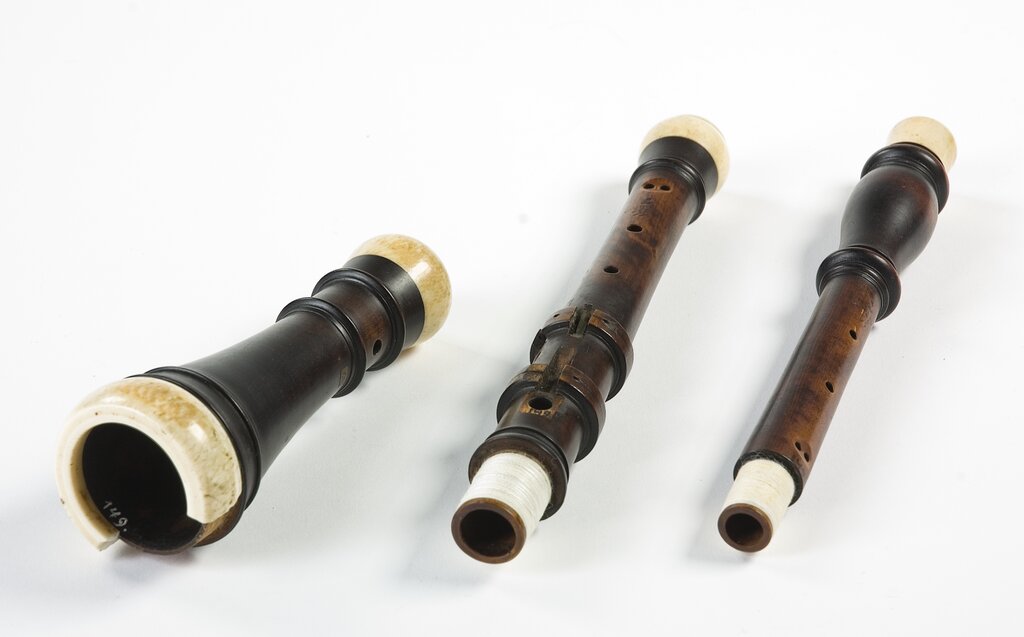
Most modern oboes are carved from grenadilla, a dense and dark wood native to Africa. This wood is chosen for its stability and resonant qualities, which contribute to the instrument's warm, rich tone. The complex system of keys, rods, and pads is typically made of a nickel-silver alloy.
How Sound is Made
The heart of the oboe's sound is the double reed. It's crafted from two thin pieces of cane tied together and scraped to a fine tip. When a player blows through the reed, the two pieces of cane vibrate against each other thousands of times per second. This vibration is what creates the initial sound wave.
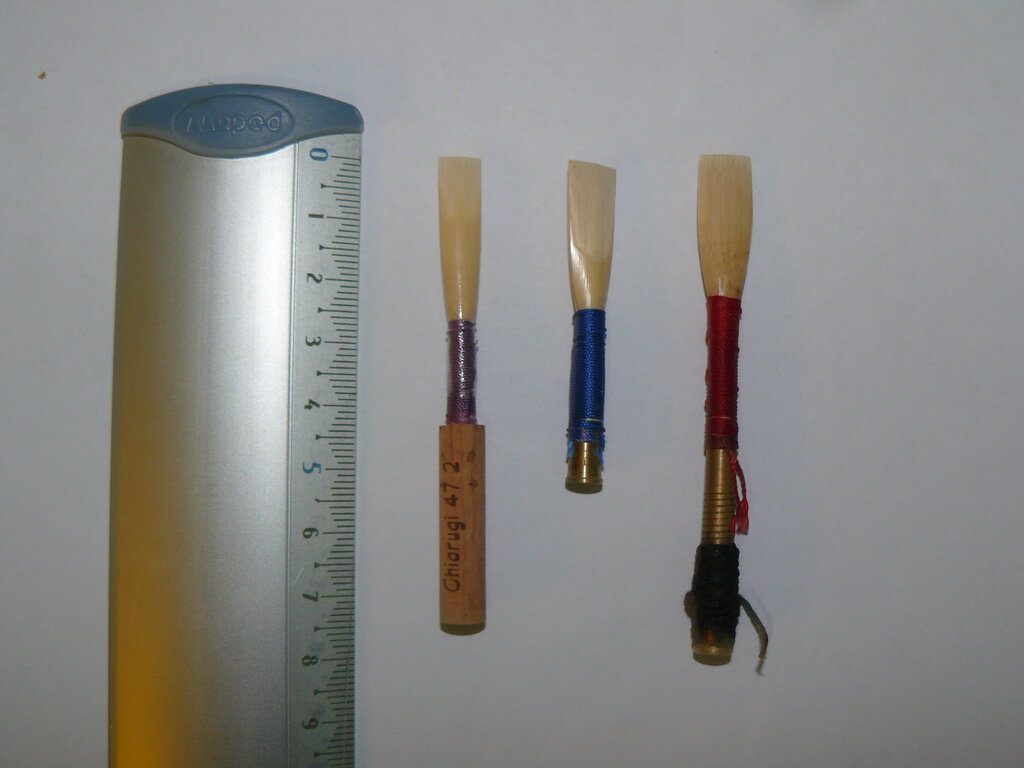
This buzzing sound wave travels down the instrument's body, which has a conical bore. This means the inside of the tube gradually widens from the top to the bell. The cone shape is crucial; it amplifies the sound and gives the oboe its characteristic bright and penetrating timbre. By pressing keys to cover different holes, the player changes the length of the air column, which in turn changes the pitch of the note.
Range and Timbre
The oboe has a wide range, covering about two and a half octaves. Its lowest note is typically the B-flat just below middle C.
timbre
noun
The character or quality of a musical sound or voice as distinct from its pitch and intensity.
The oboe's timbre is what truly sets it apart. It’s often described as bright, focused, and sometimes plaintive or singing. The combination of the vibrating double reed and the conical bore produces a sound rich in overtones. This complexity is why the oboe's tone is so distinctive and easily heard, making it the instrument orchestras traditionally use to tune.
How does an oboe produce its initial sound?
The main body of a modern oboe is typically carved from what material?
Understanding these basics reveals how the oboe's careful construction and unique sound mechanism create its memorable voice.