The Oboe Explained
Oboe Origins
From Shawm to Oboe
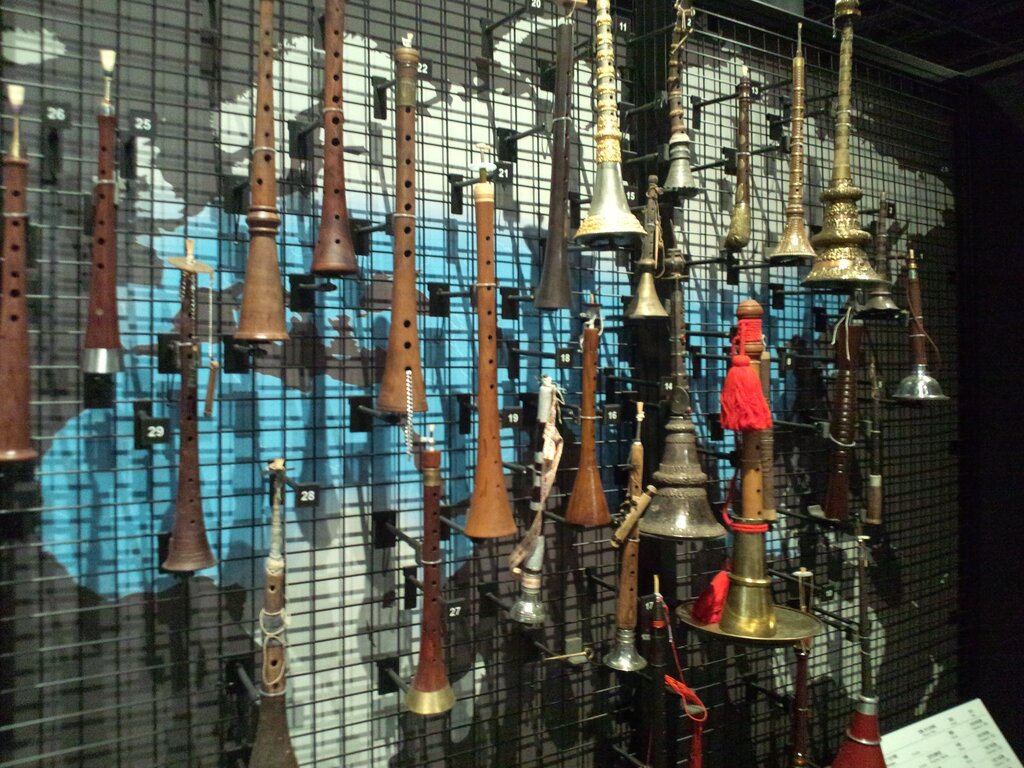
The story of the oboe begins with a much older instrument: the shawm. For centuries, this double-reed woodwind was a common sight across Europe, Asia, and North Africa. Shawms were known for their loud, piercing, and nasal tone. This made them perfect for outdoor events, military bands, and large ceremonies where they needed to be heard over the noise of a crowd.
The precursor of the oboe was an instrument called the shawm, which had been known in Europe, in various sizes, since the 13th century.
Unlike the modern oboe, the shawm had a wide, conical bore that ended in a large, flared bell, which helped project its powerful sound. The reed was also much larger and cruder, and players often placed it inside a wooden cap called a pirouette, which they pressed their lips against. This technique gave them volume but limited their control over the instrument's dynamics and expression.
A More Refined Voice
In the mid-17th century, musical tastes in Europe began to change. Composers and audiences started favoring the more intimate and refined sound of indoor chamber music. The loud, boisterous shawm didn't quite fit in. The French court of Louis XIV, a major center for arts and culture, needed an instrument with a sweeter, more expressive tone that could blend well with strings and other new instruments in the orchestra.
This demand led to the development of the oboe. French instrument makers, most notably the Hotteterre family, began experimenting with the shawm's design. They made several key modifications to create a completely new instrument.
Key Changes from Shawm to Oboe:
- Narrower Bore: They significantly narrowed the internal cone, which softened the tone.
- Smaller Reed: The reed was made smaller and narrower, allowing the player to control it directly with their lips. This gave the musician far greater control over pitch and dynamics.
- Jointed Construction: The instrument was made in three sections, or joints. This improved its portability and allowed for more precise manufacturing of the bore.
These changes transformed the shawm into an instrument capable of delicate expression and warmth. The new instrument was called the hautbois, French for “high wood” or “loud wood,” which eventually became the English word “oboe.”
Early Design and Place
The first oboes, now called Baroque oboes, were typically made of boxwood, a dense wood that produced a warm, gentle sound. They were much simpler than modern oboes, usually having just two or three keys made of brass or silver. Changing notes depended almost entirely on the player's fingerings and breath control.
The new hautbois quickly found a home in the orchestras of the day. Composer Jean-Baptiste Lully, the musical director for Louis XIV, was one of the first to feature it in his orchestra at the Paris Opéra. Its expressive, voice-like quality made it ideal for carrying melodies, and it soon became a standard member of the woodwind section.
This new instrument was not just a modification; it was a revolution. The creation of the oboe marked a shift towards instruments designed for nuance and emotion, paving the way for the rich orchestral sounds of the Baroque era and beyond.
Ready to check your understanding?
What was a primary characteristic of the shawm, the ancestor of the oboe?
The development of the oboe from the shawm was driven by a need for an instrument that could fit into which musical setting?
The oboe's journey from the fields and battlegrounds of the Middle Ages to the refined concert halls of the Baroque court was a remarkable one, driven by changing tastes and brilliant innovation.