The Oboe Explained
Oboe History
From Shawm to Oboe
The oboe's story begins with an instrument called the shawm. Popular in the Renaissance, the shawm was a loud, brash woodwind, perfect for outdoor festivals and military bands. It was typically carved from a single piece of wood and had a piercing, trumpet-like tone that could cut through any noise.
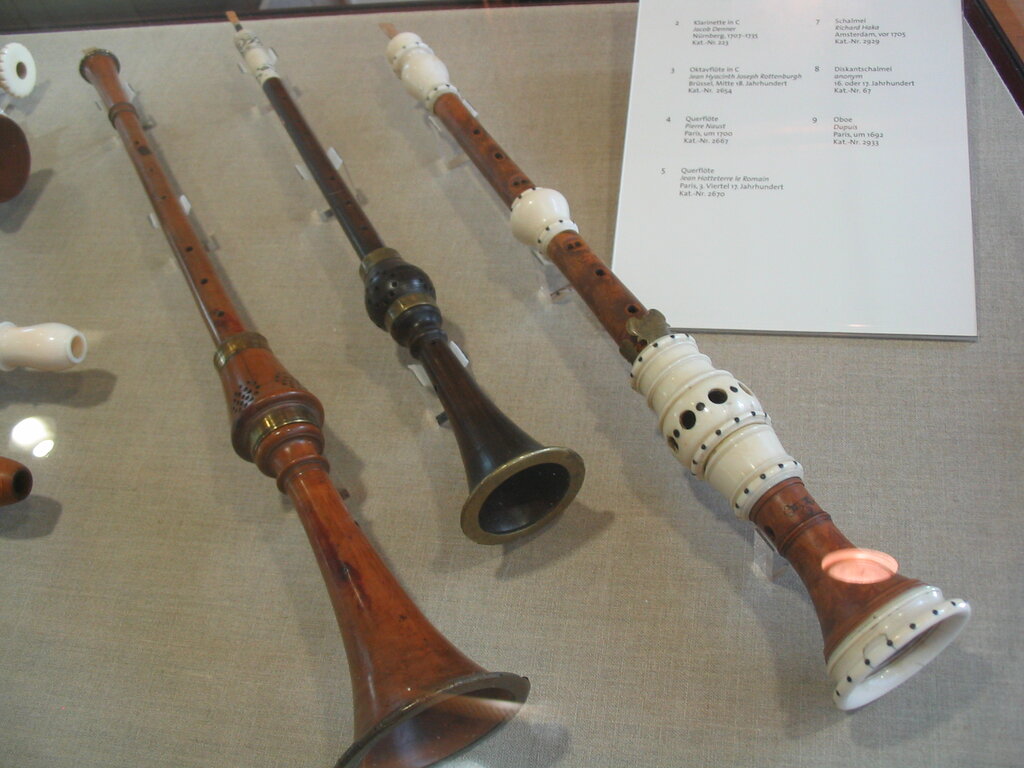
In the mid-17th century, tastes began to change, especially in the French court of Louis XIV. Musicians wanted a more refined, delicate instrument suitable for indoor chamber music. Instrument makers, like the Hotteterre family, took up the challenge. They redesigned the shawm, creating what they called the hautbois, or "high wood."
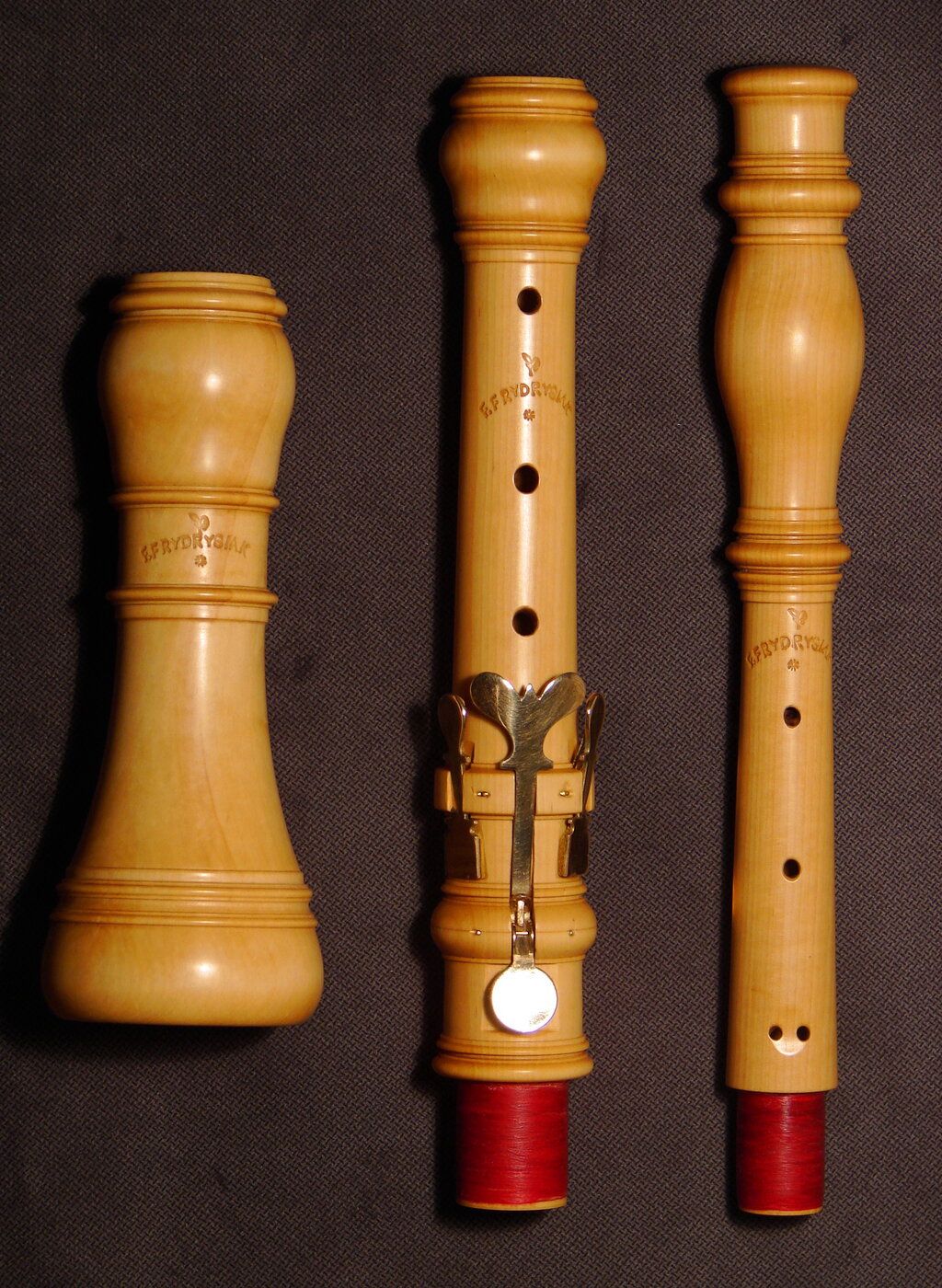
The most significant change was building the instrument in three separate sections: a top joint, a bottom joint, and a bell. This seemingly simple innovation was a game-changer. It allowed for more precise carving of the instrument's internal bore, leading to better tuning and a more controlled, sweeter tone. It also made the instrument easier to transport and repair.
Refining the Sound
The evolution didn't stop there. Around 1750, another crucial adjustment occurred: the bore, or the hollow tube inside the oboe, became significantly narrower. This further focused the instrument's sound, giving it the penetrating and expressive quality we recognize today. The oboe moved away from its loud, outdoor roots and developed a voice that was perfect for carrying a melody over an orchestra.
A narrower bore transformed the oboe's powerful shout into a focused, singing voice.
An Orchestral Staple
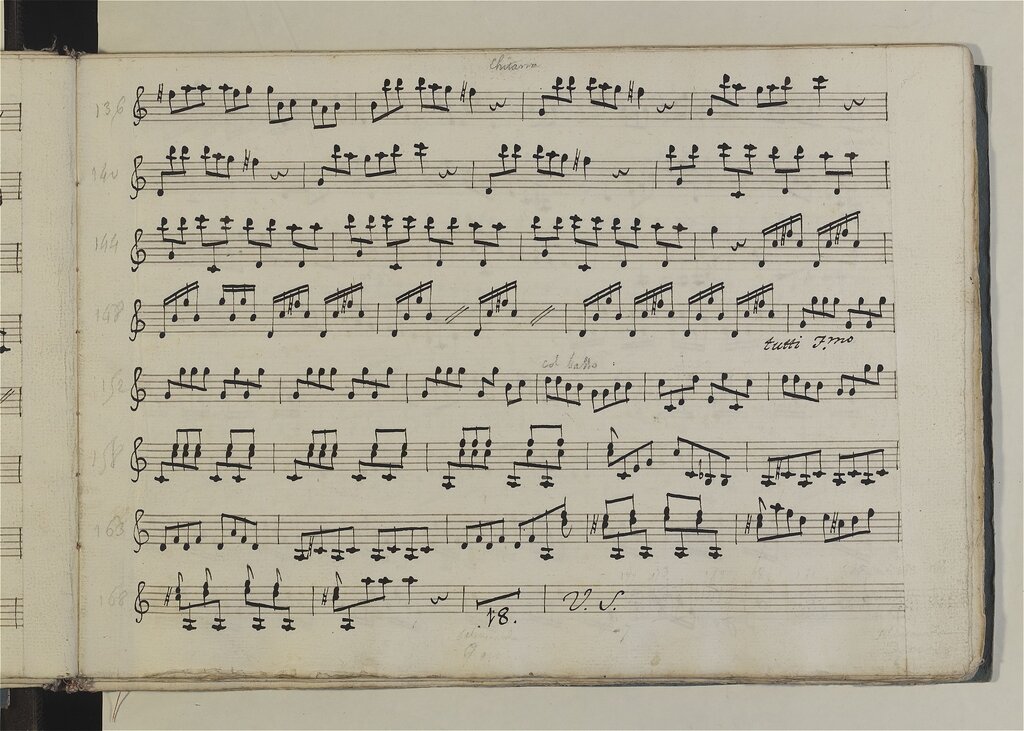
With its refined tone and reliable pitch, the oboe quickly became a fixture in the orchestra. Its clear, stable sound made it the ideal instrument for tuning the entire ensemble. Before a concert, you'll often hear the principal oboist play a single note—an 'A'—so the rest of the musicians can tune their instruments to it. Composers like Bach, Vivaldi, and Mozart fell in love with its expressive capabilities, writing countless solos and concertos that showcased its unique voice.
The oboe's success also led to the creation of a whole family of related instruments, each with its own size and pitch.
| Instrument | Pitch | Character |
|---|---|---|
| Oboe d'amore | Lower than an oboe | Warm and tranquil |
| English Horn | Lower than oboe d'amore | Rich and melancholy |
The most common relatives are the oboe d'amore ("oboe of love") and the English horn, or cor anglais. The English horn is easily recognized by its pear-shaped bell, which contributes to its famously soulful sound.

From a boisterous outdoor instrument to a refined orchestral soloist, the oboe's evolution reflects centuries of changing musical tastes and technical innovation.