The Oboe and Our Platform
Oboe History
Ancient Double Reeds
The oboe's story begins long before the gilded concert halls of Europe. Its ancestors were double-reed instruments found across the ancient world, from the Greek aulos to the Roman tibia. These instruments were loud, piercing, and often played in pairs. They were staples of outdoor ceremonies, festivals, and military events, providing a powerful sound that could carry over long distances.
By the Middle Ages, this family of instruments had evolved into the shawm. Like its predecessors, the shawm was known for its powerful, trumpet-like tone. It was a common sight in town bands and military processions, providing the high-pitched melodic voice.
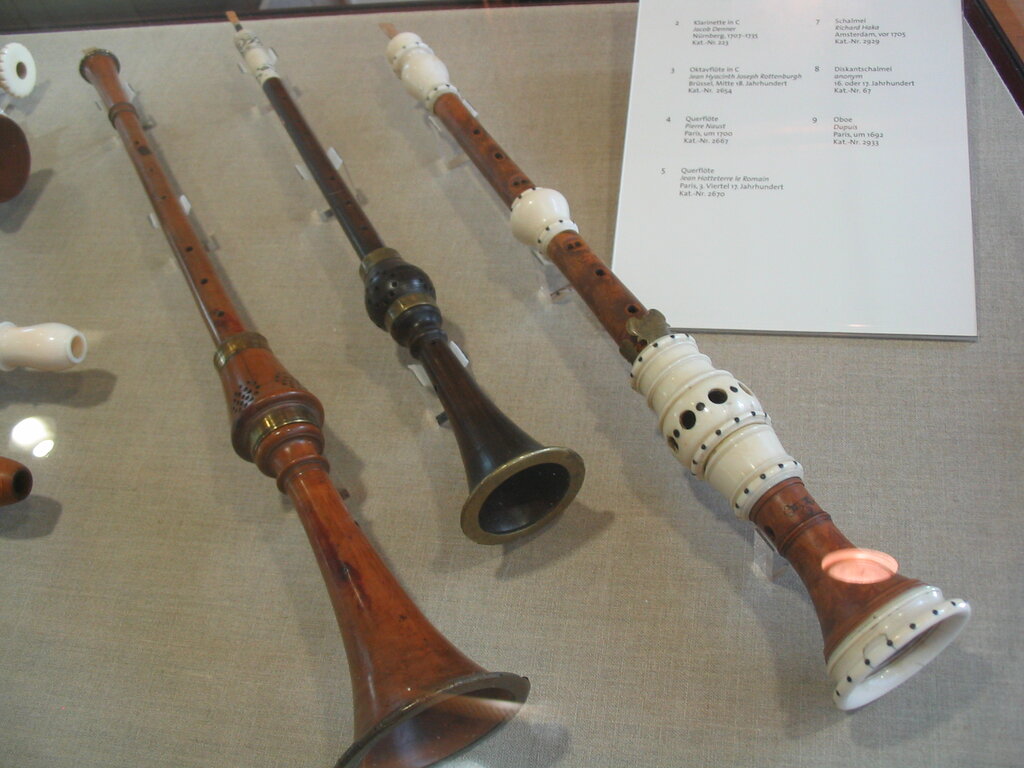
The shawm's name comes from the Old French chalemie, which itself is derived from the Latin calamus, meaning 'reed'.
From Shawm to Hautbois
The transition from the brash shawm to the more refined oboe happened in 17th-century France. As music moved from open-air courtyards to intimate indoor chambers, composers and musicians needed an instrument with a sweeter, more controlled voice. The shawm was simply too loud and unsubtle for the nuanced music of the Baroque court.
The precursor of the oboe was an instrument called the shawm, which had been known in Europe, in various sizes, since the 13th century.
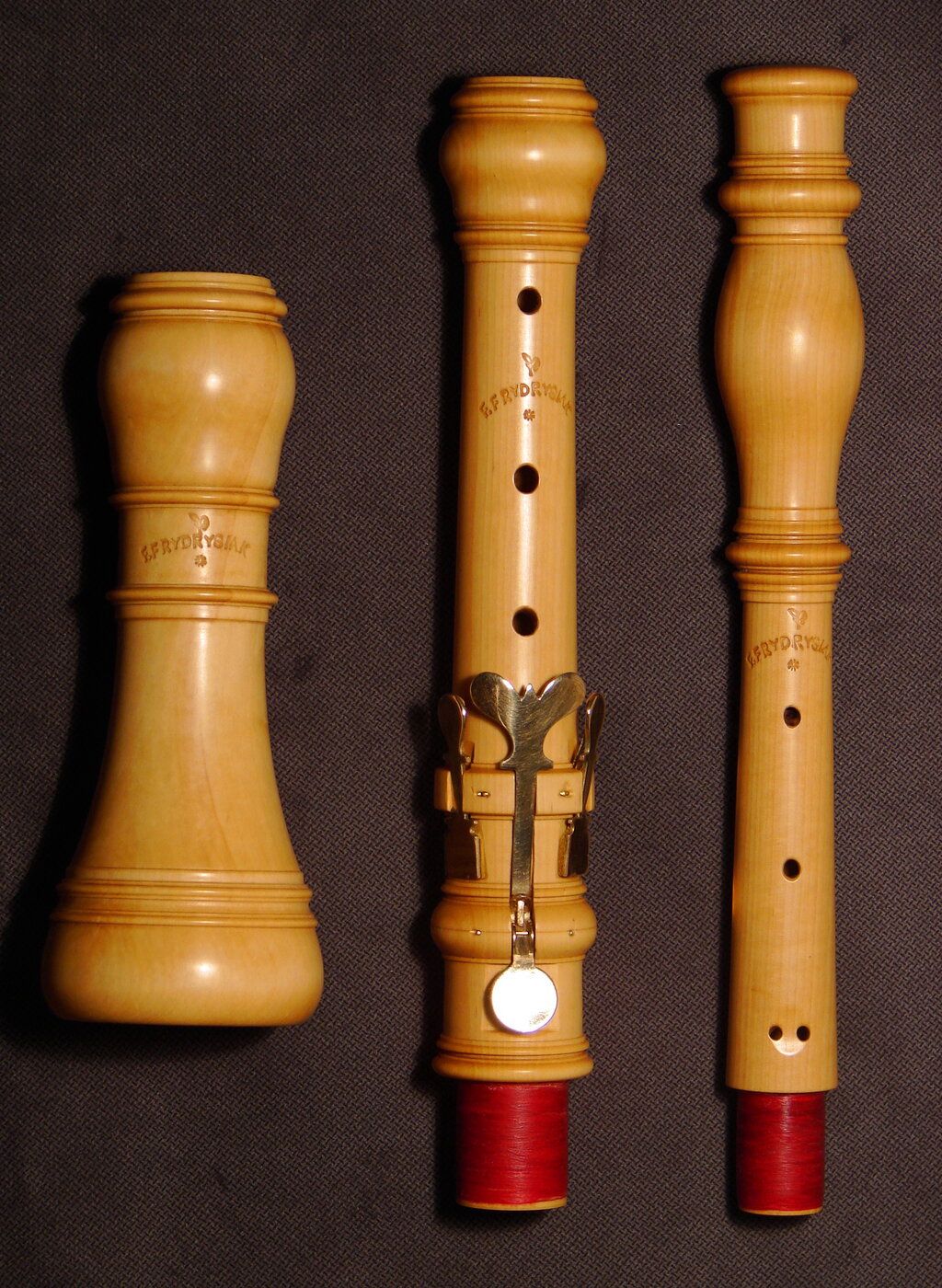
French instrument makers, most notably the Hotteterre family, began experimenting. They dramatically redesigned the shawm, creating a new instrument they called the hautbois, meaning "high wood" or "loud wood." This name reflected its high pitch and wooden construction, but the instrument itself was a significant step toward refinement.
One person credited with the development of the oboe was Jean Hotteterre who narrowed the bore of the instrument and reduced the width of the reed.
The new Baroque oboe had a narrower internal tube (the bore), a smaller reed, and was built in three sections. These changes tamed the shawm's wild sound, producing a focused, expressive tone that blended beautifully with strings and other woodwinds. Composers like Jean-Baptiste Lully immediately embraced it, and the instrument quickly spread across Europe, becoming a favorite of Bach, Handel, and Vivaldi.
The Modern Oboe
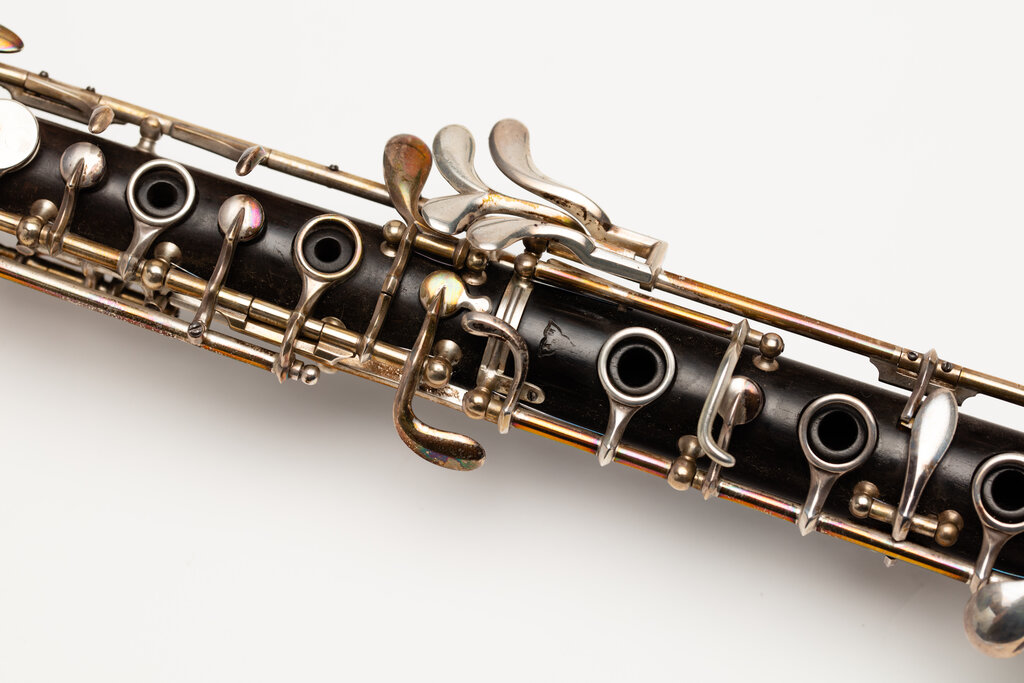
Throughout the 18th and 19th centuries, the oboe continued to evolve. The Industrial Revolution brought advancements in metalworking, allowing for the creation of more complex and reliable key systems. Instrument makers added keys to improve intonation and make it easier to play in different musical keys. The instrument's bore and bell were also subtly reshaped to create the warm, singing tone we recognize today.
By the late 19th century, the French conservatoire system of fingering became the standard for most of the world. This system, developed by makers like Frédéric Triébert, gave the oboe greater agility and consistency. It allowed composers of the Romantic era and beyond, from Brahms to Stravinsky, to write increasingly demanding and virtuosic parts for the instrument.
The oboe's journey from a loud outdoor signal-caller to a sensitive orchestral soloist is a story of refinement. Each change brought it closer to the versatile and expressive instrument that is now an essential color in the orchestral palette.
Ready to test your knowledge?
What was the name of the loud, trumpet-toned ancestor of the oboe, commonly used in medieval town bands and military processions?
What was the primary reason for the development of the oboe from the shawm in 17th-century France?
From the ancient aulos to the modern symphony orchestra, the oboe has a long and storied history, evolving to meet the changing demands of music.