The Oboe An Orchestral Star
Oboe Basics
From Shawm to Symphony
The oboe is a member of the woodwind family, but its story starts with a much older, louder ancestor: the shawm. In the 17th century, French court musicians began refining the shawm, a powerful outdoor instrument, for indoor performances. They softened its piercing tone and created a more elegant instrument called the hautbois, or “high wood.” This was the direct predecessor of the modern oboe.
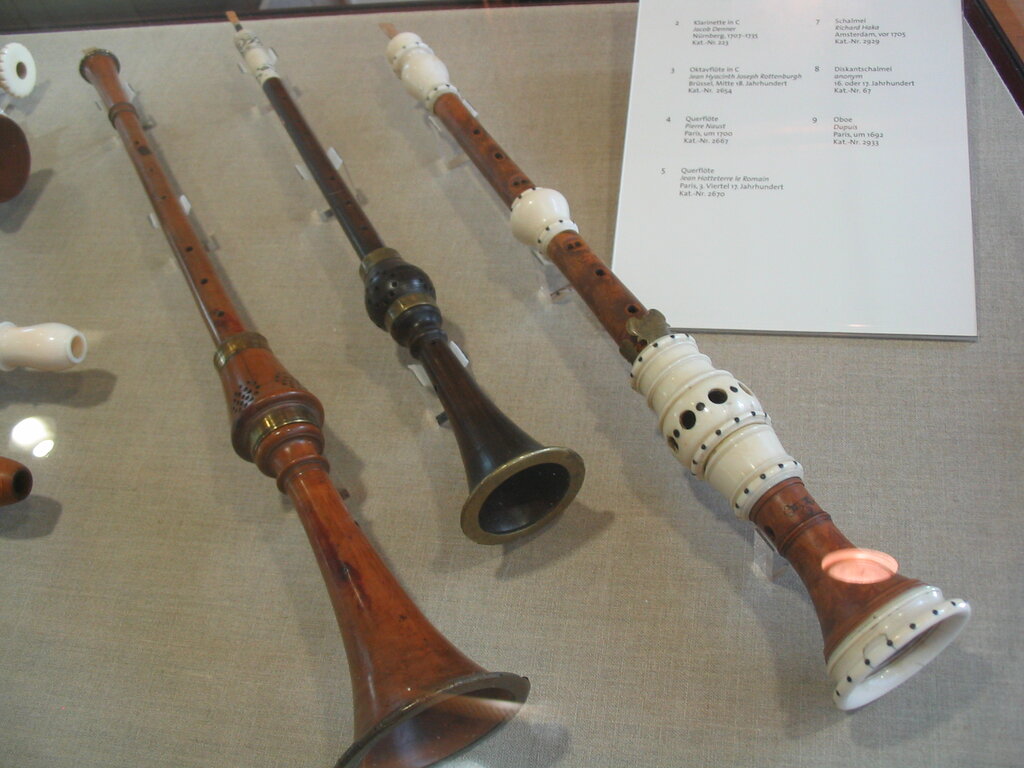
Over time, instrument makers continued to add keys and refine the oboe's design, allowing for greater range and more precise tuning. This evolution turned it from a folk instrument into a staple of the classical orchestra.
Building the Oboe
A modern oboe is a marvel of craftsmanship. Most are made from grenadilla, a dense African blackwood prized for its stability and rich tonal qualities. This wood gives the oboe its characteristic dark, polished look.
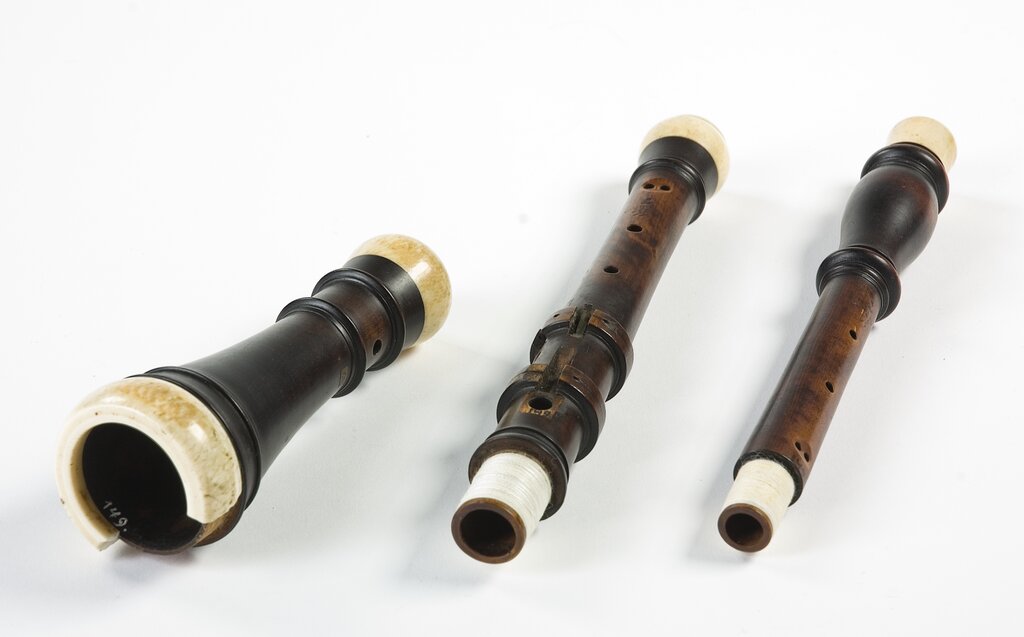
The instrument itself is built in three main sections that are assembled before playing: the upper joint, the lower joint, and the bell. Each section is precisely bored and fitted with an intricate system of keys, pads, and rods that allow the musician to play different notes.
The Double Reed
The oboe's sound isn't produced by the player's lips buzzing or a single reed vibrating, like in a brass instrument or a clarinet. Instead, its unique voice comes from a double reed.
The double reed is what sets the oboe apart from other woodwind instruments like the clarinet or flute.
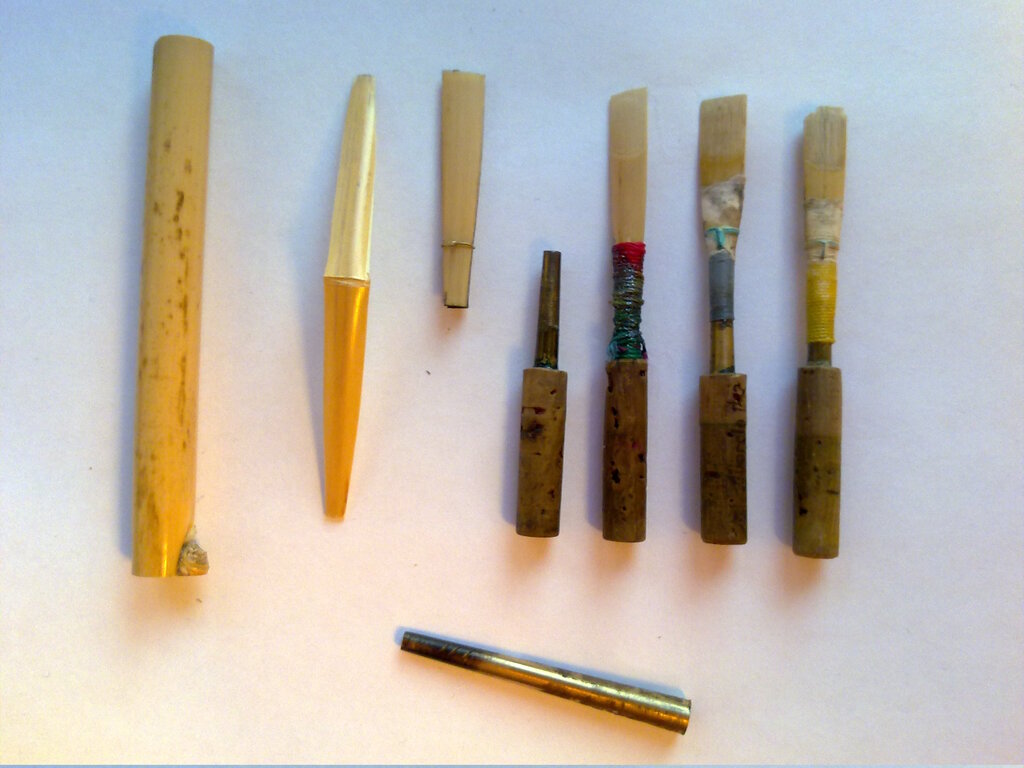
This small, delicate component is made from two precisely scraped pieces of cane tied together onto a metal tube. When the oboist blows air through the tiny opening between the reeds, they vibrate against each other at high speed. These vibrations travel down the body of the oboe, which acts as a resonator to amplify and shape the sound into the instrument's well-known plaintive tone.
An Orchestra's Voice
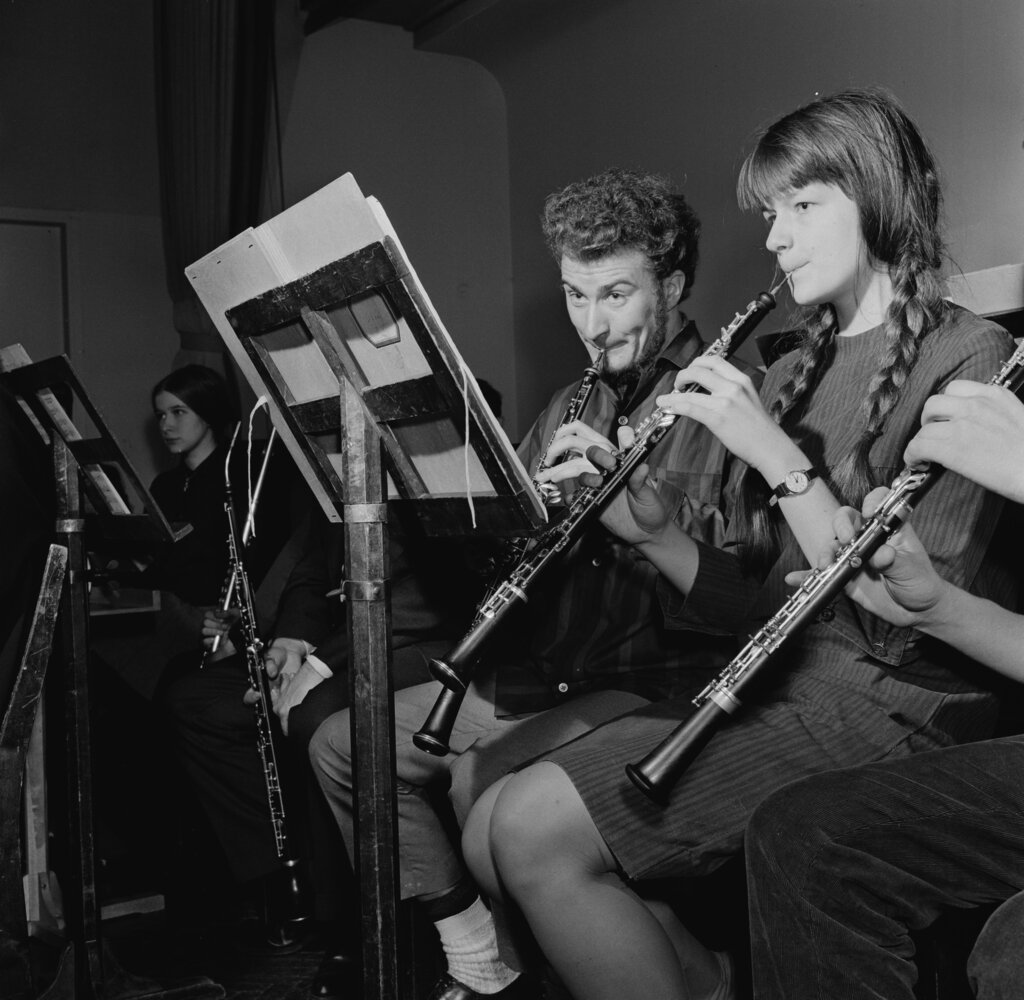
In an orchestra, the oboe holds a special position. Its clear, penetrating sound cuts through the texture of the other instruments without being overpowering, making it an ideal solo voice. Composers often write beautiful, lyrical melodies specifically for the oboe.
Perhaps its most famous role, however, is tuning the entire orchestra. Before a concert, the principal oboist plays a single note, an A. The rest of the orchestra then tunes their instruments to match this pitch. The oboe is chosen for this task because its tone is focused and stable, providing a reliable reference for everyone.
Let's review the key terms from this section.
Now, check your understanding of the oboe.
The oboe's distinctive sound is created by which component?
What is the primary role of the oboe in an orchestra before a performance begins?
From its rustic beginnings to its place of honor in the modern orchestra, the oboe has a rich history and a truly unique sound.