The Nuclear Fuel Cycle Explained
Introduction to the Nuclear Fuel Cycle
What is the Nuclear Fuel Cycle?
The nuclear fuel cycle is the entire journey of nuclear fuel, from its creation to its disposal. Think of it like the life story of the material that powers nuclear reactors. It begins deep underground with raw uranium ore and ends with the safe, long-term storage of used fuel. This multi-step process is how we harness the power of atoms to generate electricity.
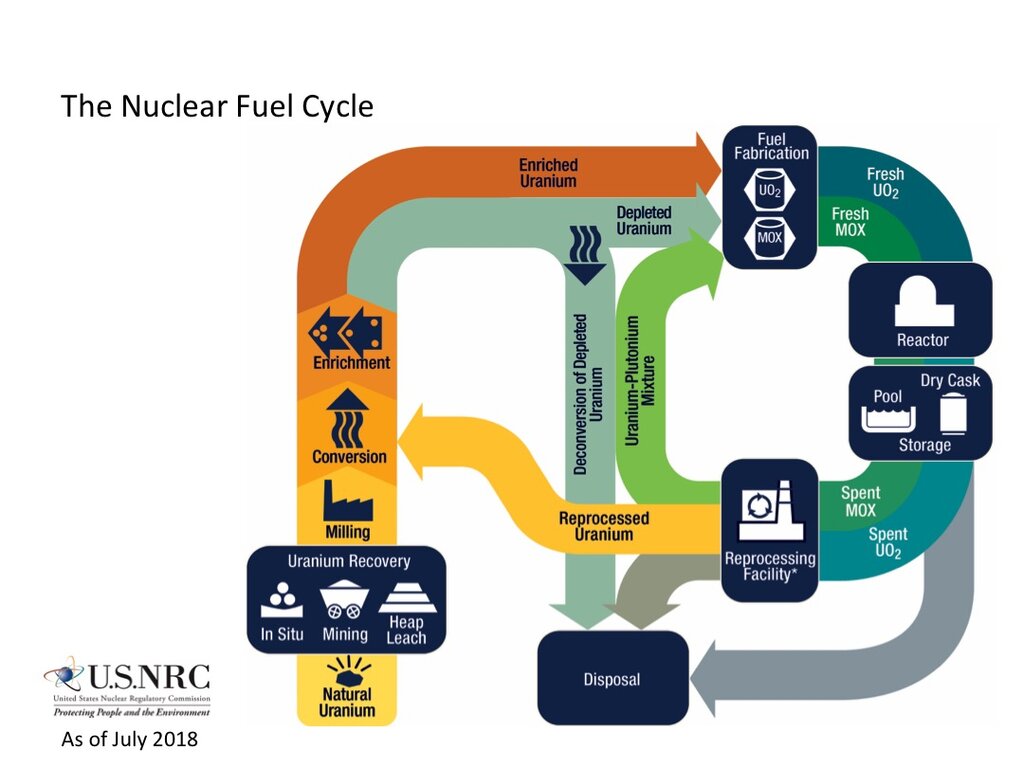
The cycle is often split into three main parts: the 'front end,' where the fuel is made; the 'service period,' where it's used to produce power; and the 'back end,' which involves managing the used, or 'spent,' fuel.
The Front End: Creating the Fuel
Everything starts with mining uranium ore. Uranium is a naturally occurring element found in rocks all over the world. Once mined, the ore is taken to a mill.
At the mill, the rock is crushed and ground up. A chemical process extracts the uranium, leaving behind a fine, bright yellow powder known as 'yellowcake.'
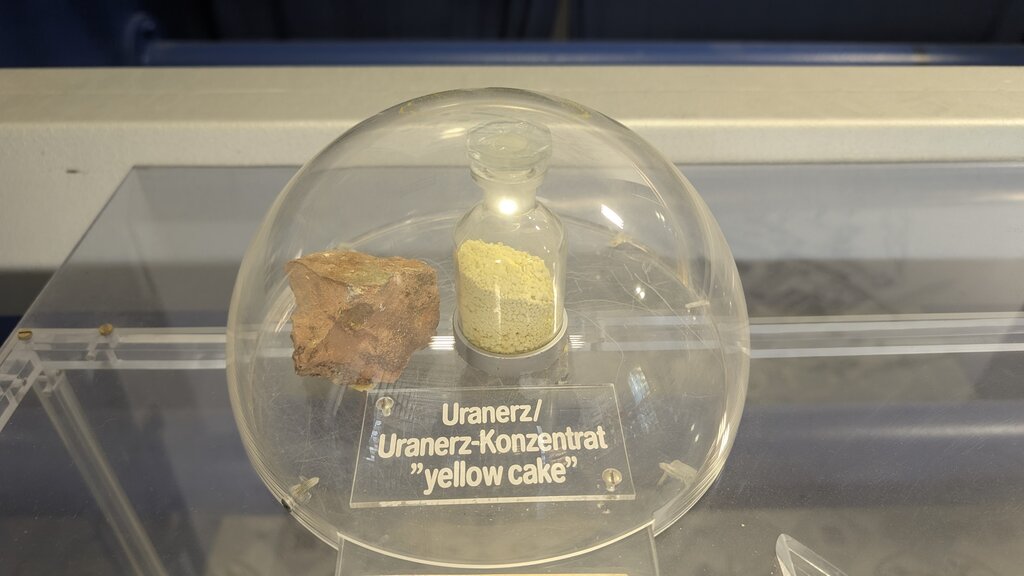
But yellowcake isn't ready for a reactor. It must first be converted into a gas called uranium hexafluoride (). Why a gas? Because the next step, enrichment, requires the uranium atoms to be mobile.
Natural uranium is made of two main isotopes: uranium-238 (U-238) and uranium-235 (U-235). Most nuclear reactors need a higher concentration of U-235 to sustain a nuclear reaction, but it only makes up about 0.7% of natural uranium. Enrichment is the process of increasing the proportion of U-235, typically to between 3% and 5%.
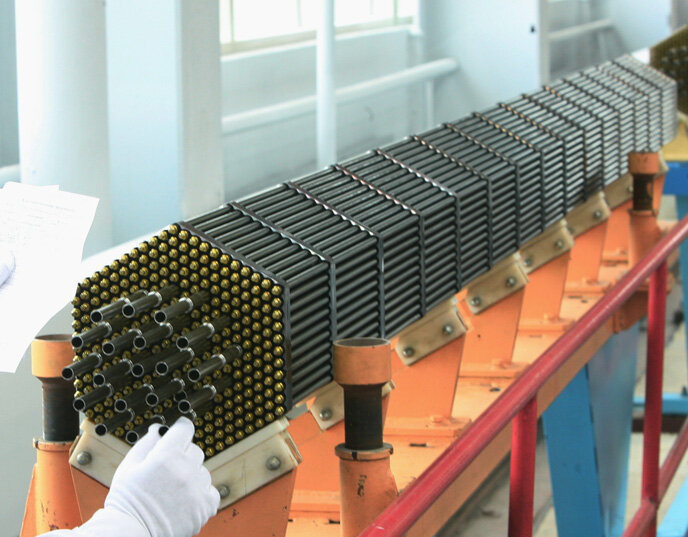
Once enriched, the gas is converted back into a solid, black powder: uranium dioxide (). This powder is pressed into small, ceramic pellets, each about the size of a gummy bear. These pellets are then stacked inside long metal tubes called fuel rods.
Finally, hundreds of these fuel rods are bundled together to create a fuel assembly. It's these assemblies that are loaded into the nuclear reactor.
In the Reactor: Generating Power
Inside the reactor, the fuel assemblies form the core. Here, a controlled nuclear chain reaction, called fission, takes place. The U-235 atoms are split, releasing an enormous amount of energy in the form of heat.
This heat is used to boil water and create high-pressure steam. The steam then spins a turbine, which is connected to a generator that produces electricity. It's the same basic principle used in coal or gas power plants, but the heat source is nuclear fission instead of burning fossil fuels.
A fuel assembly typically remains in a reactor for about three to six years. Over time, the concentration of U-235 decreases and fission byproducts build up, making the fuel less efficient. At this point, it is considered 'spent fuel' and must be removed.
The Back End: Managing Spent Fuel
Spent fuel is highly radioactive and generates a lot of heat. When it's removed from the reactor, it's immediately placed in a deep pool of water called a spent fuel pool. The water cools the fuel and acts as a shield, blocking the radiation.
After several years of cooling in the pool, the fuel can be moved to dry cask storage. These are massive, sealed containers made of steel and concrete that provide safe, long-term storage on the power plant site.
What happens next depends on a country's policy. There are two main options: reprocessing or direct disposal.
Reprocessing involves chemically separating the spent fuel into three categories: uranium, plutonium, and radioactive waste. The recovered uranium and plutonium can be recycled to create new nuclear fuel. This reduces the volume of high-level waste that needs to be permanently disposed of.
Disposal is the final step. The plan for spent fuel that isn't reprocessed, and for the waste from reprocessing, is to seal it in durable canisters and bury it deep underground in a stable geologic repository. This isolates the radioactive material from the environment for thousands of years, until its radioactivity has decayed to safe levels.
And that completes the cycle. From a rock in the ground to a concentrated power source and finally to secure storage, the nuclear fuel cycle is a carefully managed process designed to safely harness the immense energy locked inside atoms.
What is the primary purpose of the uranium enrichment process in the nuclear fuel cycle?
Immediately after being removed from a reactor, spent fuel is placed in a deep pool of water. What are the two main reasons for this?