The NRB Act Explained
Introduction to the NRB Act
Bridging a Divided Nation
The North-South Relations Act, often called the NRB Act, was a landmark piece of U.S. legislation passed in the mid-1970s. Its primary goal was to heal the deep economic and social wounds that still divided the Northern and Southern states, more than a century after the Civil War and a decade after the Civil Rights Act.
The act wasn't just about money; it was about creating a more unified American identity by tackling the systemic inequalities that kept the regions apart.
The Climate of the Times
To understand the NRB Act, you have to look at the United States in the years following the Civil Rights Movement. While landmark legislation in the 1960s had dismantled legal segregation, it hadn't erased generations of disparity. The South, on average, lagged significantly behind the North in industrial development, educational funding, and infrastructure. Many Southern states struggled with high poverty rates and a less diversified economy, still heavily reliant on agriculture.
Politically, the nation was still fractured. The passage of the Civil Rights Act of 1964 revealed a stark regional divide. Many lawmakers from the South fiercely opposed the bill, reflecting a deep-seated resistance to federally mandated social change. This political chasm made national unity a fragile concept.
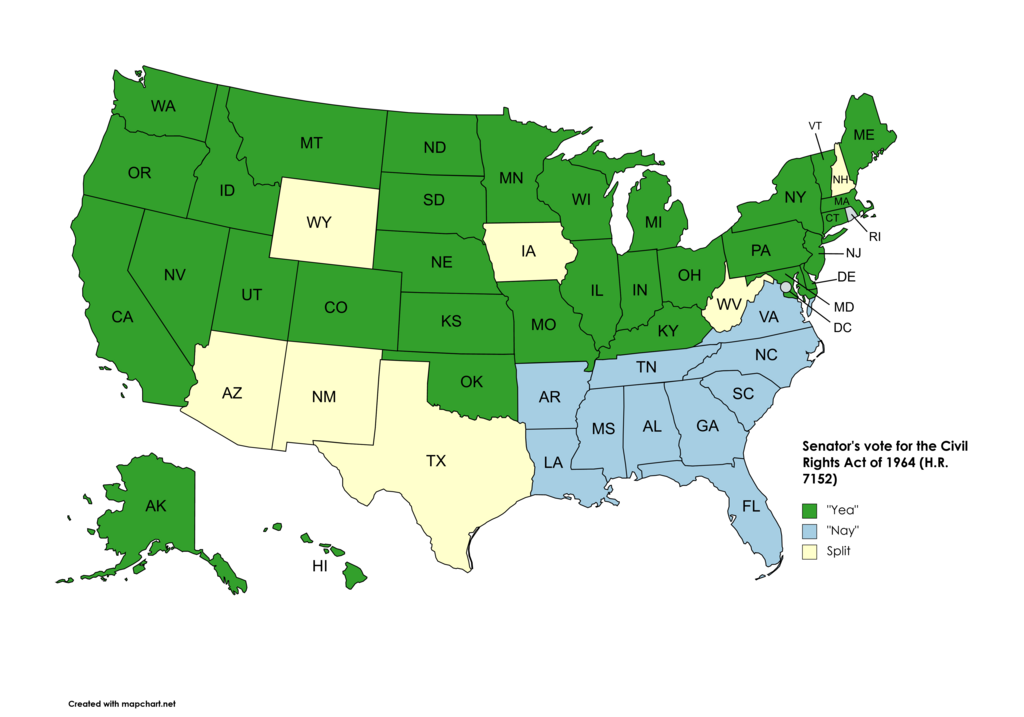
This environment of economic imbalance and political tension created a cycle of disadvantage. Businesses were less likely to invest in areas with poor infrastructure and an undereducated workforce, which in turn limited job opportunities and suppressed wages. The NRB Act was conceived as a direct intervention to break this cycle.
Goals and Provisions
The NRB Act was a comprehensive package designed to address these problems on multiple fronts. Its authors knew that a single solution wouldn't work; the issues were too interconnected. The Act was built around three core pillars.
| Pillar | Key Provisions |
|---|---|
| Economic Development | Created federal grants for modernizing ports, railways, and highways in the South. Offered tax incentives for companies to build factories and offices in designated "Economic Opportunity Zones." |
| Educational Equity | Established the National Fund for School Improvement to channel federal money to underfunded public schools, with a focus on improving teacher pay and updating classroom resources. |
| Social and Cultural Exchange | Funded programs to encourage interstate travel, cultural festivals, and student exchange programs between Northern and Southern universities to foster mutual understanding. |
Each provision was a deliberate step toward rebalancing the nation. The infrastructure grants were meant to make the South a more attractive place for investment. The school funding aimed to close the educational achievement gap between students in, for example, Mississippi and Massachusetts. And the cultural programs sought to break down stereotypes and build personal connections between Americans from different backgrounds.
The act was a bold, and controversial, attempt to use federal power to reshape the country's economic and social landscape.
What was the primary goal of the North-South Relations Act (NRB Act)?
Which of the following was NOT described as a core pillar or component of the NRB Act?