The Northern Song Dynasty
Foundations of the Northern Song Dynasty
A Calculated Beginning
The year is 960. China is a fractured land, exhausted by more than fifty years of chaos known as the Five Dynasties and Ten Kingdoms period. Warlords and short-lived dynasties have risen and fallen, leaving the country divided and unstable. In the middle of this turmoil, a skilled general named Zhao Kuangyin is leading a campaign against northern invaders.
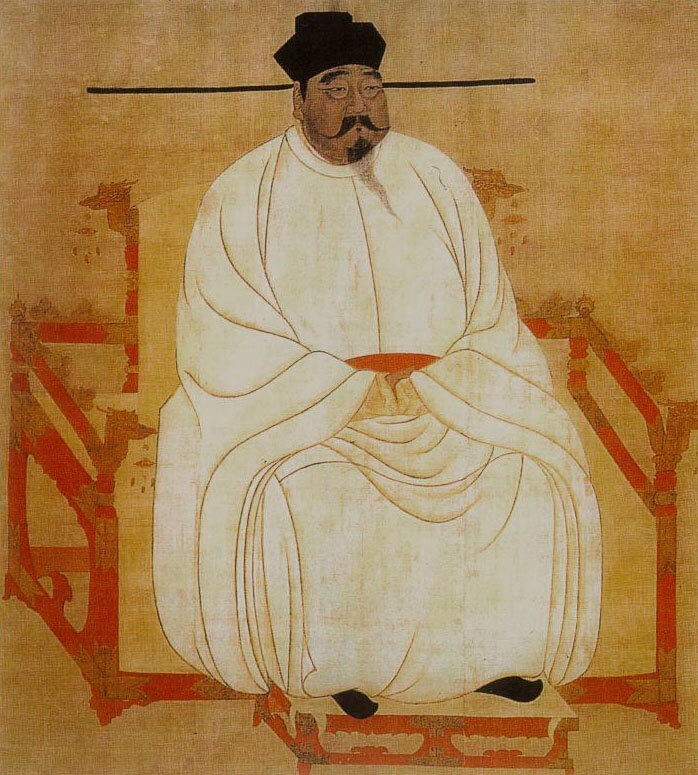
Suddenly, his troops mutiny. But instead of killing him, they drape a yellow imperial robe over his shoulders and declare him emperor. This event, known as the Chen Bridge Mutiny, marked the birth of the Song Dynasty.
Zhao Kuangyin became Emperor Taizu. His first priority was to end the power of the very warlords who had plagued China for decades. But he didn't do it with brute force. In a now-famous story, he invited his most powerful generals to a banquet. Over wine, he gently persuaded them to retire from their military posts in exchange for wealth, honors, and estates. He convinced them that a life of luxury was far better than one of political risk. They agreed, and in a remarkably peaceful transition, Taizu consolidated power under a central government, ending the era of military domination.
Power to the Scholars
With the military leaders sidelined, Emperor Taizu and his successors built a government run not by warriors, but by educated civilians. They created a highly centralized bureaucratic system where power flowed directly from the emperor and his court. This was a deliberate move to prevent the rise of regional strongmen who had torn the previous Tang Dynasty apart.
The key to this new system was a massively expanded civil service examination. While exams had existed before, the Song made them the main path to a government job. For the first time, men from almost any social class could, through diligent study, earn a prestigious and powerful position. This created a new elite class of scholar-officials who owed their loyalty not to a local general, but to the emperor who appointed them.
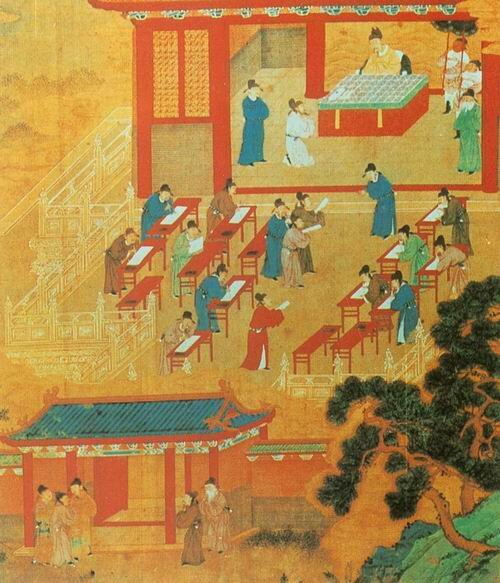
The exams were grueling, multi-day affairs that tested a candidate's mastery of classic texts, poetry, and policy issues. The system was designed to find the brightest and most capable individuals to run the empire, turning governance into a profession based on merit, not birthright.
A Confucian Blueprint
The entire political structure of the Song was built on a foundation of Confucianism. The civil service exams were centered on the Confucian classics, ensuring that every official shared a common set of values and a deep understanding of ethical governance. Confucian ideals of order, social harmony, loyalty, and duty became the guiding principles of the state.
He established a central administration rooted in Confucian values, creating an extensive university network to promote education and public morality.
This emphasis on Confucian thought shaped the dynasty's character. Rulers were expected to be benevolent father figures to their people, and officials were expected to be moral exemplars. This ideology helped legitimize the emperor's rule and provided a strong cultural glue that held the vast bureaucracy together.
Uneasy Borders
Despite its internal stability and sophisticated administration, the Northern Song faced constant external threats. To the north, the powerful Khitan Liao Dynasty loomed. To the northwest, the Tangut Western Xia kingdom was a persistent military challenge. The Song founders had focused so much on preventing internal military coups that their state was often at a disadvantage against these aggressive, nomadic neighbors.
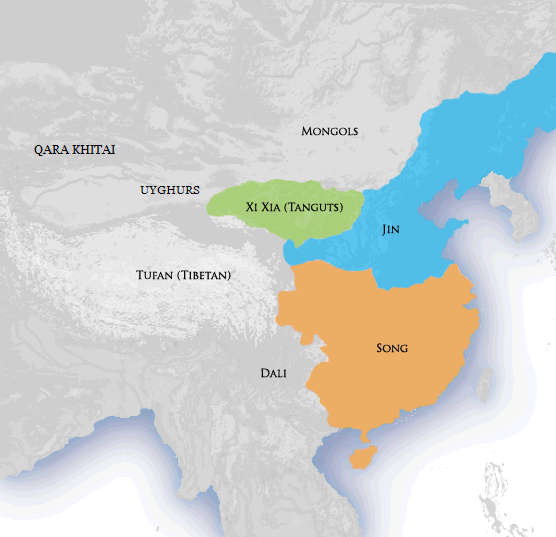
Rather than risk empowering their own generals with large armies, the Song court often pursued a strategy of diplomacy and appeasement. They paid enormous annual tributes of silk and silver to the Liao and Western Xia in exchange for peace. While costly, this policy allowed the Song to focus on internal matters.
Internally, the new scholar-official class created its own problems. With so many brilliant minds in government, fierce debates over policy were common. Officials formed factions, arguing endlessly over the best way to govern, manage the state, and handle the threats on the border. This political infighting between conservative and reformist groups would become a defining feature of the Northern Song court, sometimes paralyzing the government at critical moments.
Now, let's test your knowledge on the founding of this remarkable dynasty.
What was the political situation in China immediately before the founding of the Song Dynasty in 960?
How did Emperor Taizu, the founder of the Song Dynasty, consolidate his power and neutralize the threat of powerful generals?
The Northern Song's foundation was a delicate balance, trading military might for administrative genius and external security for internal stability. This unique approach set the stage for one of China's most culturally and intellectually vibrant periods.