The Neurobiology of Avoidant Attachment and Relational Safety
Dual Neural Conflict
The Brain's Inner Conflict
For individuals with a fearful-avoidant attachment style, relationships can feel like a paradox. The very person they seek for comfort is also perceived as a source of danger. This isn't a conscious choice but a deep-seated neurobiological conflict known as the 'fright without solution' paradox. The brain becomes trapped in a tug-of-war between two fundamental, competing drives: the need for connection and the instinct for self-preservation.
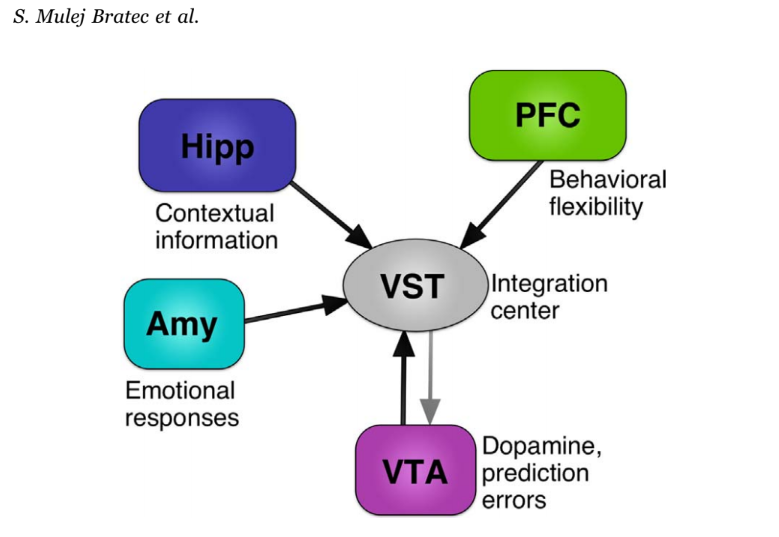
This conflict plays out across two distinct neural circuits that are activated simultaneously. The approach system, which includes reward pathways like the ventral striatum, pushes for social connection and belonging. It tells the brain, "Move closer, intimacy is rewarding." At the exact same time, the avoidance system, driven by a hyper-reactive amygdala, screams, "Danger! Retreat to safety." The brain receives both signals at once, creating a state of paralysis and preventing the formation of a coherent strategy for relating to others.
The Amygdala's False Alarm
At the heart of the avoidance system is the amygdala, the brain's threat detector. In a securely attached individual, the amygdala helps distinguish real threats from safe situations. But in fearful-avoidant attachment, it becomes hyper-reactive to relational cues. A partner’s neutral facial expression, a slight change in tone, or a bid for intimacy can be misinterpreted as a sign of impending rejection or harm.
This isn't just an overreaction; the brain is genuinely processing the situation as a threat. The caregiver or partner, who should be a symbol of safety, becomes the trigger for the brain's alarm system. This creates an impossible situation where the source of fear is also the only person the brain knows to turn to for safety.
For the fearful-avoidant brain, intimacy itself can register as a physical threat, triggering a survival response.
This biological conflict prevents the development of a stable relational strategy. One moment, the need for connection drives the person to seek closeness. The next, the amygdala's alarm bells force a retreat. This push-pull dynamic is exhausting and confusing, both for the individual and their partner. The brain's hardware for protection actively sabotages its hardware for connection, leaving the person stuck in a loop of wanting and fearing intimacy at the same time.
Let's test your understanding of these concepts.
What is the central paradox experienced by individuals with a fearful-avoidant attachment style?
Which two neural systems are described as being in a 'tug-of-war' in the fearful-avoidant brain?
This constant internal battle between approach and avoidance is the defining neurobiological feature of fearful-avoidant attachment, explaining the oscillation between a desire for closeness and a deep-seated fear of it.