The Nature of Time Perception
Introduction to Time Perception
Your Inner Clock
We all know how to read a clock, but how do we experience time itself? This internal sense of time passing is called time perception. It’s not about the steady tick-tock of a clock on the wall, but the flexible, often unpredictable, way our minds process the flow of events.
Time Perception
noun
The subjective experience of time, including the sense of its passage, the duration of events, and their sequence.
Your brain doesn't have a tiny digital clock inside it. Instead, it creates a sense of time based on the information it receives. This is why a minute can feel like an eternity when you're waiting for a pot to boil, but a whole hour can vanish when you're lost in a good book. This personal, internal time is often called subjective time.
Sequence and Duration
Our perception of time relies on two basic building blocks: sequence and duration.
Sequence is about the order of events. It’s how we know that putting on socks comes before putting on shoes, or that lightning flashes before we hear the thunder. Our brain constantly organizes incoming information into a logical timeline of what happened first, second, and third. Without this ability, the world would feel like a jumbled, chaotic mess.
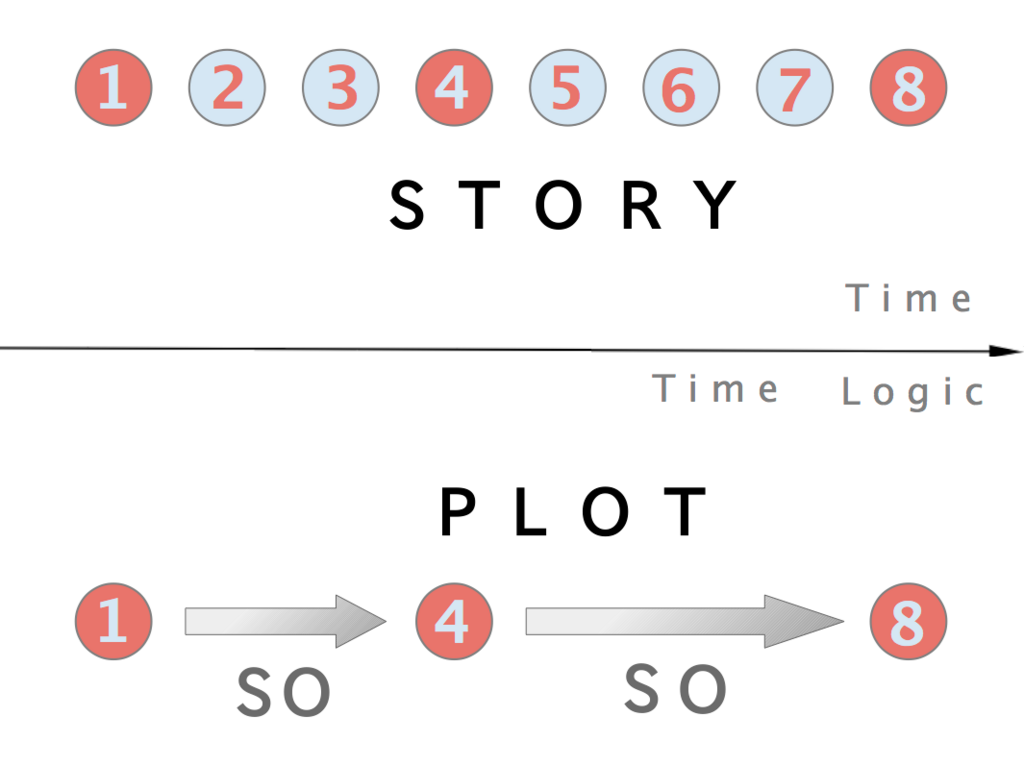
Duration is our sense of how long something lasts. Judging duration is fundamental to everything we do, from holding a conversation to crossing the street safely. Did that car horn last for a split second or a full five seconds? Was the pause in a conversation comfortably short or awkwardly long? Our internal judgment of these lengths of time guides our actions and reactions.
Sequence gives our experience a logical order, while duration gives it rhythm and pace.
Thinking About Time
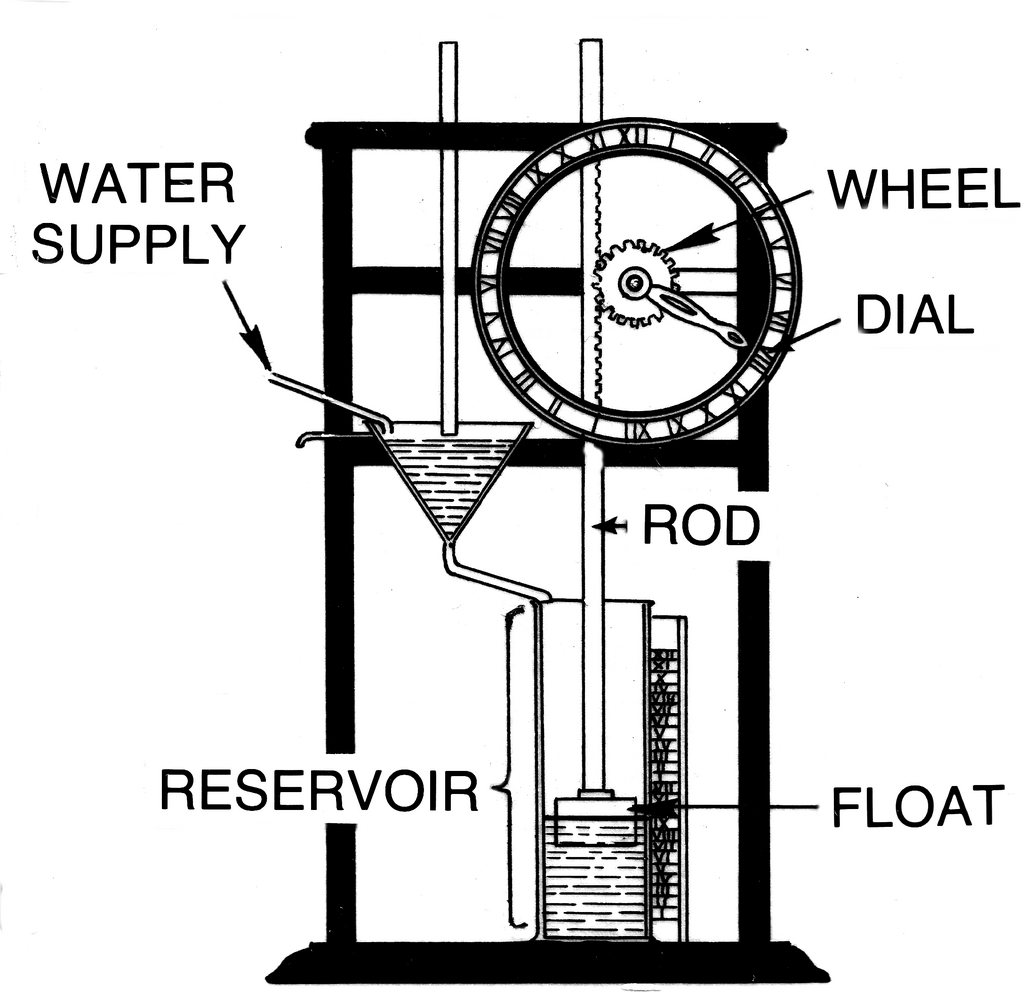
Humans have been trying to understand and measure time for thousands of years. Early civilizations created devices to track its passage, from sundials that followed the sun's shadow to intricate water clocks that used the steady flow of water to mark the hours. These inventions were attempts to make time objective and predictable—a shared standard for everyone.
Philosophers, meanwhile, have long puzzled over the nature of time itself. The Greek philosopher Aristotle viewed time as a measure of change or motion. If nothing changed, there would be no time. Centuries later, St. Augustine of Hippo famously captured the slippery nature of subjective time.
What then is time? If no one asks me, I know. If I wish to explain it to one that asks, I know not.
This highlights the core difference between objective clock time and our personal, lived experience of it. Clock time is constant and measurable. Lived time stretches and shrinks.
Why Subjective Time Matters
Studying our subjective experience of time is more than just a philosophical exercise. It has practical importance in many areas of life. Understanding how we perceive time helps in fields like music, where rhythm and timing are everything, and in sports, where split-second decisions make all the difference.
It also impacts our daily lives, influencing our ability to plan for the future, learn new skills, and even remember the past. When you recall a memory, your sense of when it happened and how long it lasted is a crucial part of the story you tell yourself. By exploring our inner clocks, we learn more about the very structure of our consciousness.
Ready to check your understanding?
What are the two fundamental building blocks of our perception of time?
Which of the following scenarios is the best example of "subjective time"?
Understanding our perception of time is the first step toward exploring the more complex ways our minds interact with the world.