The Nature of Non-Human Companionship
Introduction to Human-Nonhuman Bonds
More Than Human
We all seek connection. It’s a fundamental part of being human. We form bonds with family, friends, and partners. But what if companionship isn't limited to other people? For centuries, humans have formed deep, meaningful relationships with a wide array of non-human entities. These connections are not just quirks; they are a significant part of our history and culture.
This course explores these fascinating bonds. We'll look at our relationships with everything from the animals who share our homes to the smart assistants on our phones. We'll examine attachments to cherished objects, the comfort some find in dolls, and the spiritual connections people feel with unseen forces. The goal is to understand the what, why, and how of these powerful, non-human companionships.
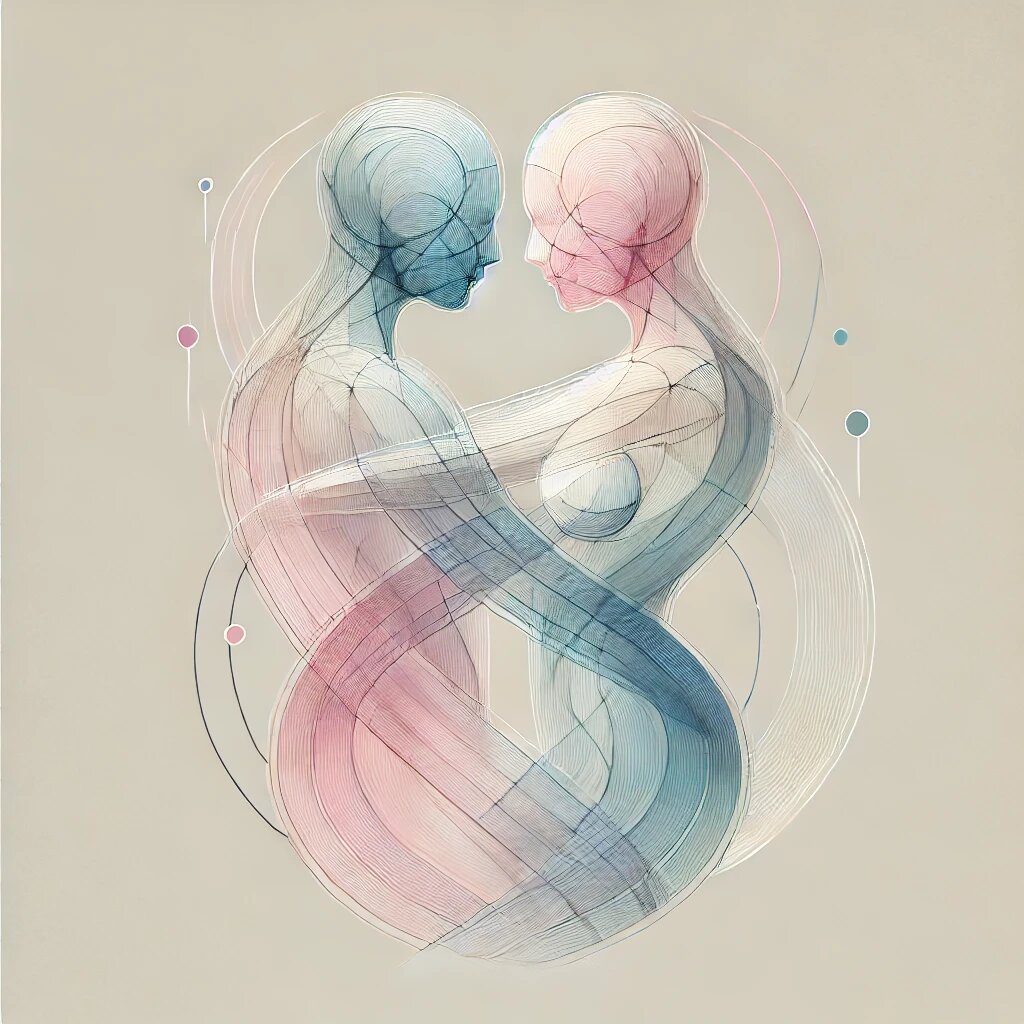
A Timeless Connection
Our tendency to bond with non-human entities is nothing new. It stretches back to the earliest chapters of human history. The domestication of dogs, for instance, wasn't just about utility. Archaeological evidence suggests dogs were buried with honors, hinting at a deep emotional connection that transcended their roles as hunters or guards.
This pattern extends to inanimate objects. Ancient cultures revered statues and artifacts, not just as art, but as living presences. Think of religious idols, lucky charms passed down through generations, or even a child's favorite stuffed animal. These objects become repositories for our memories, hopes, and feelings, acting as stable companions in a changing world. In a way, every heirloom tells a story of this kind of attachment.
From ancient pets to modern robots, our capacity for companionship has always extended beyond our own species.
A World of Companions
How we form these bonds is deeply shaped by our culture. What might seem unusual in one part of the world is perfectly normal in another. The way societies view and interact with non-human entities reveals a lot about their values and beliefs.
In Japan, for example, there is a cultural familiarity with robots as helpful companions, partly thanks to popular characters like Astro Boy. There is also the Shinto belief that objects, especially old ones, can acquire a spirit or kami. This perspective fosters a respectful relationship with inanimate things. Contrast this with many Western cultures, where the bond with pets is often elevated to the level of family, with dogs and cats being treated like children.
| Entity | A Western Perspective | An Eastern (e.g., Japanese) Perspective | An Indigenous Perspective |
|---|---|---|---|
| Animals | Often seen as family members, "fur babies." | Pets are loved, but also a broader respect for nature. | Often viewed as spiritual equals or ancestors. |
| Objects | Valued for sentiment (heirlooms) or utility. | Can possess a spirit (tsukumogami); treated with respect. | Natural objects (rocks, rivers) can hold sacred power. |
| Robots/AI | Often viewed with caution or as tools. | Generally seen as potential helpers and companions. | Varies; often integrated within existing belief systems. |
These are broad generalizations, of course, but they highlight how different cultural frameworks create different kinds of relationships. There is no single "correct" way to form a non-human bond; it's a diverse and deeply personal experience.
What to Expect
Throughout this course, we will dive deeper into these topics. We will examine the different types of non-human entities we bond with and explore the roles they play in our lives. We'll look at historical trends, cultural differences, and the cutting edge of AI companionship.
By the end, you'll have a richer understanding of this fundamental aspect of the human experience. Let's begin exploring the many forms of companionship that enrich our world.