The Nature of Infinite Desire and How to Manage It
Understanding Desire
What is Desire?
At its core, desire is a powerful sense of wanting something or wishing for something to happen. It's a fundamental human experience, a current that runs beneath our thoughts and actions, pushing us toward goals, people, and experiences. It’s the feeling of 'I want' that gets you out of bed in the morning, whether you want a cup of coffee, a promotion at work, or a more just world.
Desire
noun
A strong feeling of wanting to have something or wishing for something to happen.
This feeling isn't just a fleeting whim. It shapes our lives, driving our ambitions and defining our choices. Understanding desire is the first step toward understanding why we do what we do.
A Philosophical View
Thinkers throughout history have wrestled with the concept of desire. Ancient Greek philosophers like Plato saw desire as a powerful, sometimes unruly force within the soul. He believed our desires pull us toward what we perceive as good, even if our judgment is flawed. For Plato, the ultimate goal was to direct our desires toward truth and beauty, not just fleeting pleasures.
Later philosophers, like Baruch Spinoza, took a different approach. He argued that desire is not just one part of us; it is our very essence. To him, every action we take springs from a desire to continue existing and to increase our power and vitality. In this view, desire is the engine of life itself.
For many philosophers, the key isn't to eliminate desire, but to understand and channel it wisely.
The Psychology of Wanting
In psychology, desire is closely linked to motivation. It's the starting point that ignites the drive to achieve a goal. When you desire something, your brain releases chemicals like dopamine, which creates a feeling of anticipation and focuses your attention on getting what you want. This process turns a simple 'want' into a directed action.
Our desires, thoughts, and feelings are deeply interconnected, creating a cycle that influences our behavior. A desire can trigger a thought, which in turn stirs up an emotion, leading to an action. This action then feeds back into our beliefs and future desires.
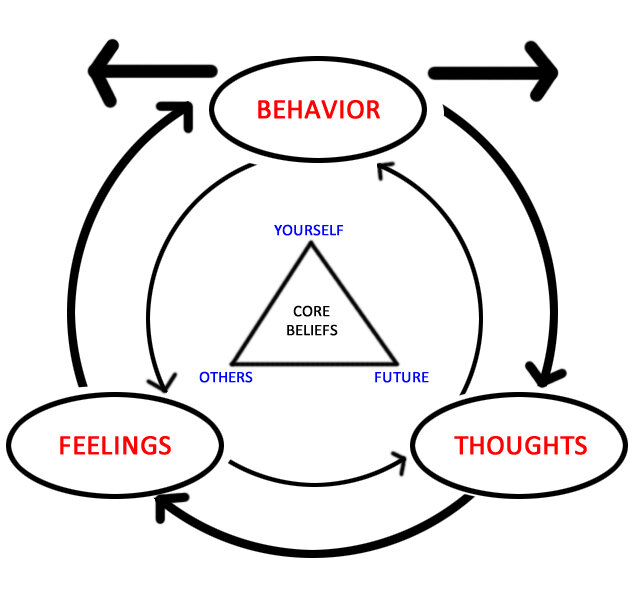
This cycle explains why simply wanting something can lead to complex plans and sustained effort. A desire for connection might lead you to join a club, while a desire for security might motivate you to save money. It's the psychological bridge between a wish and the work needed to make it real.
Two Kinds of Desire
Not all desires are created equal. Psychologists often distinguish between two main types: intrinsic and extrinsic. Understanding the difference helps clarify what truly motivates us.
Intrinsic desire comes from within. It’s the drive to do something because it is personally rewarding, interesting, or enjoyable. You're not looking for an external prize; the activity itself is the reward.
Extrinsic desire, on the other hand, is about external factors. It’s the drive to do something to earn a reward or avoid punishment. The motivation comes from the outside, not from a personal passion for the task itself.
| Intrinsic Desire | Extrinsic Desire |
|---|---|
| Comes from within | Comes from outside |
| Motivation is personal interest or enjoyment | Motivation is an external reward or pressure |
| Example: Reading a book for pleasure | Example: Reading a book to pass a test |
| Example: Playing a sport because you love the game | Example: Playing a sport to win a trophy |
Both types of desire play a role in our lives. Extrinsic motivators can be effective for getting a task started, but intrinsic desire is often what sustains our interest and leads to greater satisfaction and achievement over the long term.
Ready to check your understanding?
According to the text, which philosopher viewed desire as our 'very essence' and the 'engine of life itself'?
The psychological cycle described in the text follows which order?
Recognizing the nature of our desires, from their philosophical roots to their psychological drivers, gives us a clearer picture of what makes us tick.