The Nature of Death
Introduction to Thanatology
The Study of Life's End
Every living thing dies. It's a fundamental, unavoidable biological reality. But for humans, death is more than just a biological event. It's a profound experience that shapes our cultures, beliefs, and individual lives. The field dedicated to understanding this complex topic is called thanatology.
Thanatology
noun
The scientific and interdisciplinary study of death and dying.
Thanatology isn't just one subject. It pulls insights from many different fields to create a holistic picture of mortality. Biologists explain the physical processes of dying. Psychologists explore how we cope with grief and the fear of our own end. Sociologists and anthropologists examine the rituals and social structures we build around death. Philosophers and theologians grapple with its meaning.
By weaving these perspectives together, thanatology helps us understand not just what death is, but what it means to us as individuals and as a species.
Changing Views on Death
Humans have always been preoccupied with death. Ancient civilizations developed elaborate beliefs and rituals to make sense of it. The ancient Egyptians, for example, created complex funerary texts like the Book of the Dead. These weren't just religious scripts; they were guides for the soul's journey into the afterlife, reflecting a deep cultural focus on what comes after life.
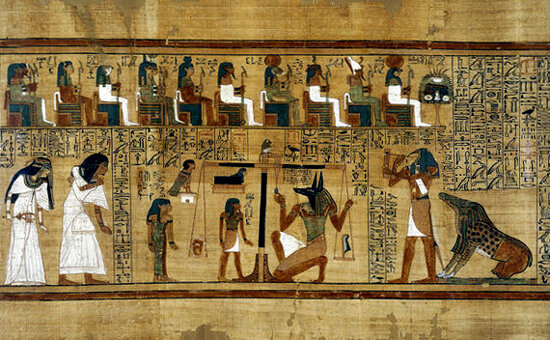
For much of history, death was a visible and communal part of life. People usually died at home, surrounded by family. The experience was integrated into the fabric of the community.
In the 20th century, this began to change, particularly in Western societies. Advances in medicine allowed people to live longer, but they also moved the process of dying out of the home and into hospitals and other institutions. Death became medicalized, managed by professionals and often hidden from public view. This shift created a cultural distance from death, making it seem like a foreign or frightening topic to be avoided.
The formal study of thanatology emerged in the mid-20th century partly as a response to this growing disconnect, aiming to bring the conversation about death back into the open.
An Interdisciplinary Field
Because death touches every aspect of human experience, studying it requires a wide range of tools and perspectives. No single field has all the answers. Thanatology acts as a meeting point for many different disciplines.
Here’s a quick look at what some of these fields contribute:
- Biology & Medicine: Focus on the physical process of dying, end-of-life care, palliative medicine, and forensic science.
- Psychology: Examines grief, bereavement, coping mechanisms, and the developmental understanding of death across the lifespan.
- Sociology: Looks at how social structures, like family and religion, influence experiences of death and mourning.
- Anthropology: Studies death rituals, beliefs about the afterlife, and ancestor veneration across different cultures.
- Ethics: Addresses moral questions surrounding end-of-life decisions, such as euthanasia and the right to die.
By combining these viewpoints, thanatology provides a richer, more complete understanding of mortality than any single discipline could offer on its own. It helps us see death not as a simple failure of the body, but as a complex human event.
Ready to test your knowledge on the basics of thanatology?
What is the primary focus of the field of thanatology?
According to the text, what was a major consequence of the 'medicalization' of death in 20th-century Western societies?
Studying death is ultimately about studying life. It encourages us to think about our values, our relationships, and what it means to live a meaningful life in the face of our own mortality.