The Mystery of Protein Storage
Protein Pools vs Storage
No Room for Idle Proteins
Your body is excellent at storing energy. It squirrels away fats in adipose tissue and packs carbohydrates into glycogen granules in the liver and muscles. These are inert reserves, like a well-stocked pantry, ready to be used when fuel runs low. But when it comes to protein, there's no dedicated storeroom. The body doesn't maintain an inactive warehouse of protein just for a rainy day.
Why the difference? Because unlike fats and carbs, proteins are not just fuel. They are the functional machinery of your body. Every protein has a job, from the enzymes catalysing reactions to the muscle fibres contracting for movement. Using protein for energy isn't like taking a log from a woodpile; it's like dismantling a part of the house to burn for warmth. You can do it, but it comes at a structural and functional cost.
The body treats protein as functional tissue first and an energy source last. 'Storing' protein means maintaining active, working parts like muscles, organs, and enzymes.
The Amino Acid Pool
So, where do the building blocks for new proteins come from? They circulate in what's known as the 'labile amino acid pool'. This isn't a physical reservoir but a concept describing the free amino acids available in the blood and within cells. This pool is constantly in flux, fed by two main streams: amino acids from the protein you eat and amino acids recycled from the breakdown of your own body's proteins.
This constant recycling is a process called protein turnover. Your body is perpetually breaking down old or damaged proteins (catabolism) and building new ones (anabolism). This dynamic balance allows the body to adapt, repair tissues, and respond to changing needs. The amino acid pool is the central hub for this activity, providing the necessary components for synthesis.
The rate of protein turnover varies dramatically across different tissues. The proteins lining your gut might be replaced every few days, while the collagen in your bones can last for years. This variation reflects the functional demands and metabolic activity of each tissue. Muscle protein, for example, is a significant contributor to the amino acid pool, especially during periods of fasting or starvation, but breaking it down directly impairs physical strength and function.
The High Cost of Maintenance
Building proteins is one of the most energy-intensive processes in the body. Protein synthesis can account for up to 20% of your resting metabolic rate. Think about that: one-fifth of the energy you burn while sitting still is dedicated to simply maintaining and replacing your body's protein machinery.
This high metabolic cost is a key reason why a dedicated, inert protein store is biologically impractical. It would be like keeping thousands of complex machines plugged in and running on standby, consuming vast amounts of power for no immediate output. Instead, the body uses the more efficient just-in-time system of the amino acid pool, synthesising proteins as they are needed from recycled and dietary components.
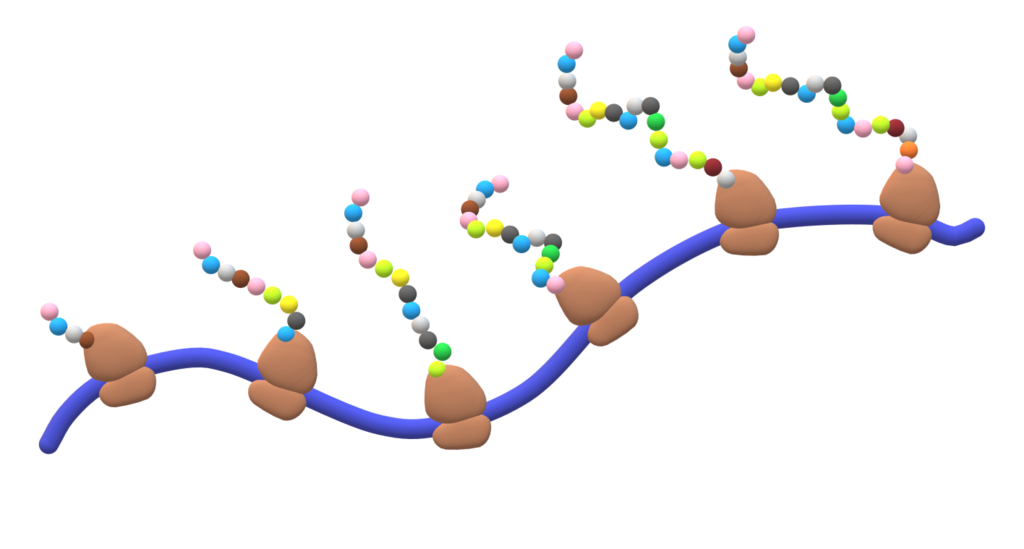
This reliance on a dynamic pool rather than a static store means that a consistent dietary intake of protein is crucial. Without sufficient amino acids from food, the body is forced to increase the breakdown of functional tissue, like muscle, to supply the amino acid pool for more critical functions, such as synthesising enzymes and immune cells. This highlights the biological trade-off: the body will sacrifice muscle to preserve more immediate life-sustaining processes.
Unlike fat and carbohydrates, the human body does not have a dedicated, inert storage depot for protein.
What is the primary reason that using protein for energy is considered metabolically costly for the body?
In short, every protein in your body has a purpose. There are no reserves sitting idle, making consistent protein intake and the efficient recycling of amino acids essential for health.