The Mystery of Akhenaten's Gender
Introduction to Ancient Egypt
The Land of the Nile
Ancient Egypt was a civilization of dualities, starting with its landscape. The Egyptians divided their world into two main parts: the "Black Land" and the "Red Land."
The Black Land, or kemet, was the narrow strip of fertile soil along the banks of the Nile River. This dark, rich mud was deposited each year by the river's floodwaters, making agriculture possible in the middle of a desert. This was where everyone lived, farmed, and built their cities.
Beyond this sliver of life lay the Red Land, or deshret. This was the vast, scorching desert that surrounded the Nile valley. While it was a harsh and dangerous place, it also served as a natural barrier, protecting Egypt from invaders. The desert was also a source of valuable minerals and metals.
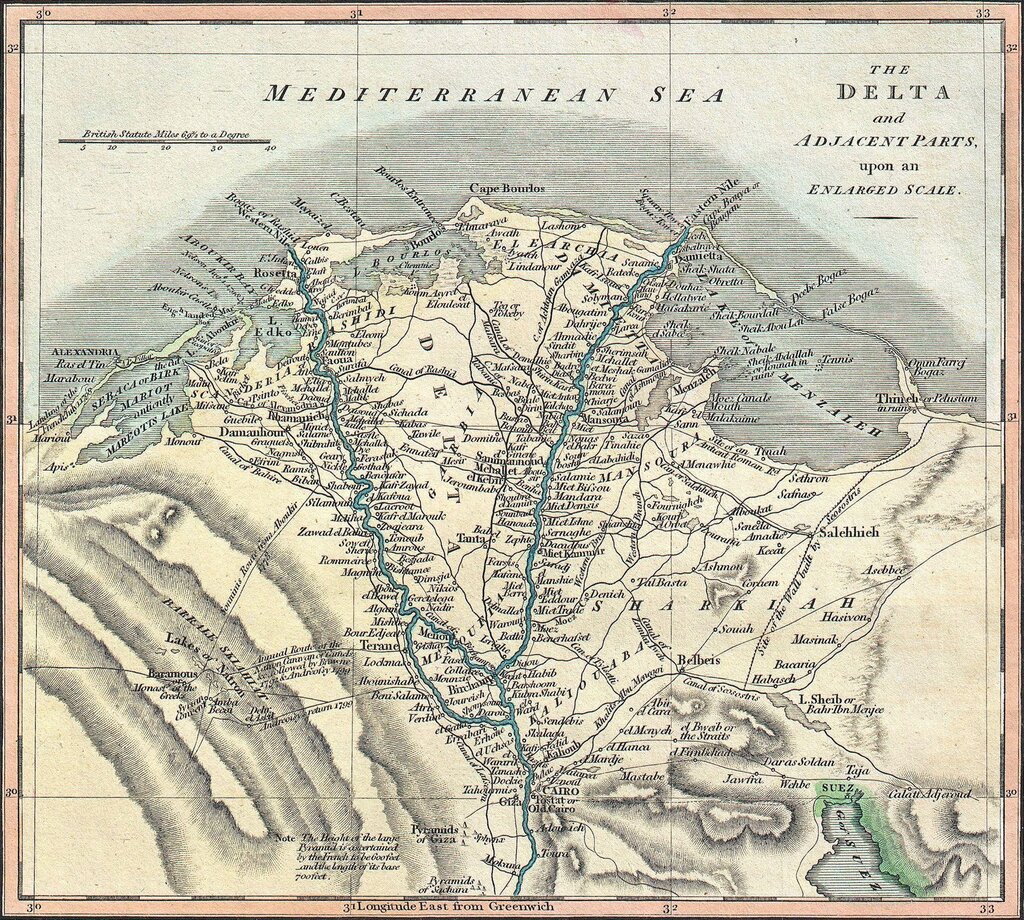
The Nile River was the absolute heart of Egyptian civilization. It wasn't just a source of water; it was the source of life itself. Every year, from roughly June to September, the river would overflow its banks, covering the adjacent floodplains. When the waters receded, they left behind a thick layer of silt that renewed the farmland.
This predictable cycle, known as the inundation, was the basis of the Egyptian economy and calendar. Farmers planted their crops in the fertile soil after the flood, harvested them before the heat of summer, and waited for the river to rise again. The Nile also served as the main highway, connecting Upper Egypt in the south with Lower Egypt in the north and facilitating trade and communication.
A Structured Society
Egyptian society was highly organized and structured like a pyramid. At the very top was the pharaoh, who was considered both a king and a god. The pharaoh owned all the land, made the laws, collected taxes, and led the army. Their power was absolute.
Just below the pharaoh were the most powerful government officials, nobles, and priests. The chief minister, known as the vizier, was the pharaoh's right-hand man, overseeing the administration of the kingdom. Priests were responsible for serving the gods and managing the vast temple estates.
Further down the pyramid were scribes, soldiers, and skilled artisans. Scribes were among the few who could read and write, making them essential for record-keeping and communication. Artisans, such as stonemasons, carpenters, and jewelers, created the magnificent tombs, temples, and works of art that Egypt is famous for.
The vast majority of the population formed the base of the pyramid. These were the farmers who worked the land, growing the food that sustained everyone. During the inundation season when farming was impossible, many farmers were conscripted to work on the pharaoh's massive building projects, like the pyramids and temples. Below them were unskilled laborers and slaves, who performed the most difficult and demanding tasks.
Gods and the Afterlife
Religion was woven into every aspect of daily life in ancient Egypt. The Egyptians were polytheistic, meaning they worshipped many gods and goddesses. These deities controlled the forces of nature and influenced human affairs. Some of the most important gods included Ra, the sun god and creator; Osiris, the god of the underworld; and Isis, the goddess of magic and motherhood.
Religion was an integral part of ancient Egyptian culture, permeating almost every aspect of the Egyptians’ daily life.
One of the most fundamental beliefs was the concept of an afterlife. The Egyptians believed that death was not an end, but a transition to another realm. To ensure a successful journey and a comfortable existence in the afterlife, the body had to be preserved through a process called mummification.
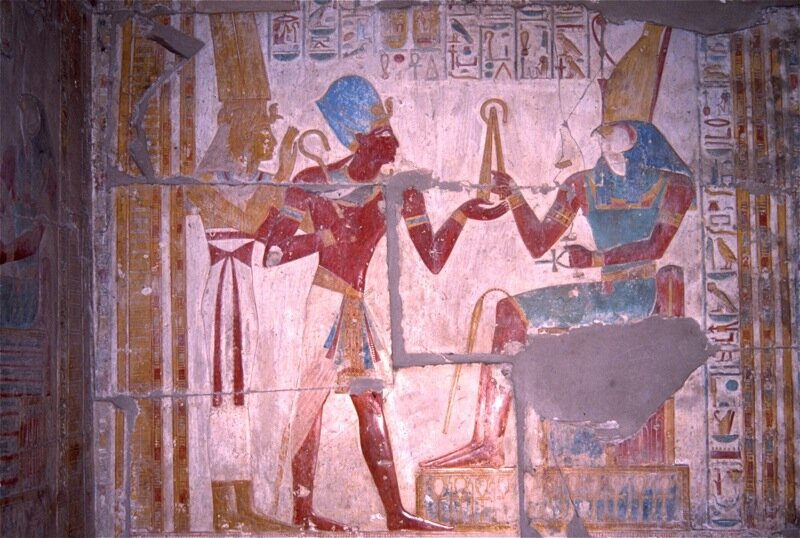
The Egyptians also believed in a universal order and balance called ma'at. Living a life in accordance with ma'at—one that was truthful, just, and orderly—was essential for both societal stability and personal salvation. In the afterlife, it was believed a person's heart would be weighed against the feather of Ma'at. If the heart was lighter, they were granted eternal life. If it was heavier with sin, it would be devoured by a monster, and their existence would end.
To help navigate the dangers of the underworld, the Egyptians used a collection of spells and prayers known as the Book of the Dead, which was often written on papyrus scrolls and buried with the deceased.
Now, let's review some of the key terms we've covered.
Ready to check your understanding of these core concepts?
What was the primary significance of the 'Red Land' or deshret in ancient Egypt?
The predictable annual flooding of the Nile, known as the inundation, was crucial primarily because it:
With this foundation in geography, society, and religion, we can begin to explore the central role of the pharaoh in more detail.