The Multifaceted Nature of Sexuality
Introduction to Human Sexuality
What is Human Sexuality?
Human sexuality is a central part of who you are. It goes far beyond the physical act of sex. It includes your body, your identity, your attractions, and your relationships. It’s a mix of biology, psychology, and social experiences that shapes how you see yourself and connect with others.
Think of it as an essential aspect of your personality, like your sense of humor or your creativity. It's present throughout your entire life, influencing your thoughts, feelings, actions, and interactions. Understanding it helps you understand yourself and the world around you.
The Three Dimensions
To get a complete picture, it's helpful to look at sexuality through three interconnected lenses: the biological, the psychological, and the social.
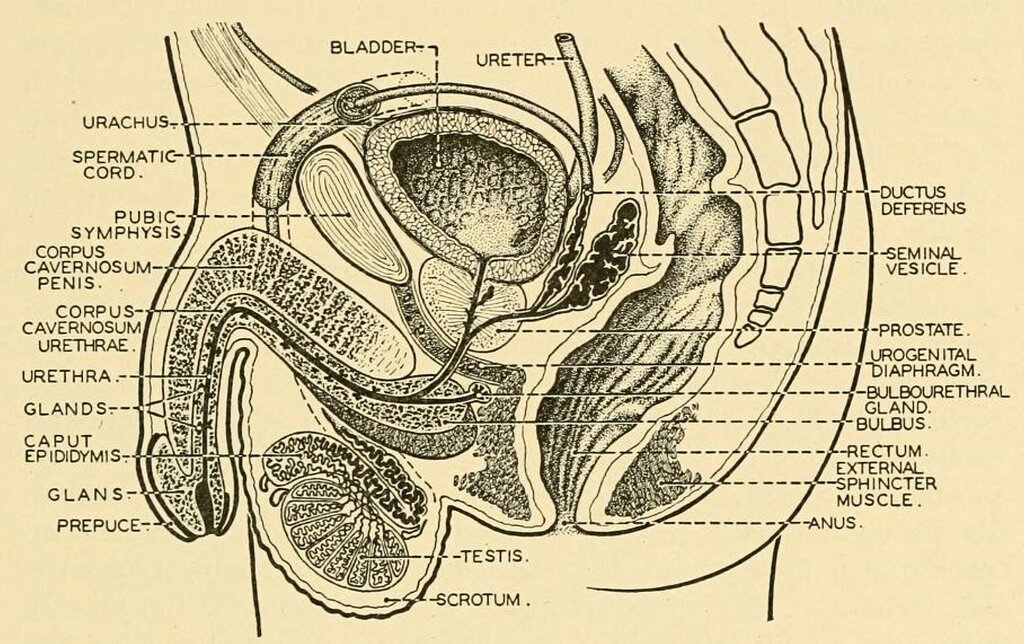
Biological sexuality is about the physical body. It covers anatomy, hormones, and the reproductive system. These are the biological building blocks that influence our sexual development and experiences.
Psychological sexuality is your inner world. It’s about your sexual identity (how you see yourself), your attractions (who you’re drawn to), and your emotions. This dimension explores the thoughts, feelings, and desires that make up your unique sexual self.
Social and cultural sexuality refers to how the world around you shapes your sexuality. Your family, community, culture, religion, and the media all provide messages and norms about what is considered acceptable or desirable. These external factors influence how you understand and express your sexuality.
None of these dimensions exist in a vacuum. They constantly interact and influence each other, creating the complex and personal experience of human sexuality.
Sexual Health and Rights
A key part of understanding sexuality is recognizing the importance of sexual health. This isn't just about avoiding diseases or unplanned pregnancies. The World Health Organization defines it as a state of physical, emotional, mental, and social well-being in relation to sexuality.
Sexual health requires a positive and respectful approach to sexuality and sexual relationships. It means having pleasurable and safe sexual experiences, free of coercion, discrimination, and violence.

Closely linked to sexual health are sexual rights. These are basic human rights that apply to sexuality. They include the right to:
- Make your own decisions about your body.
- Choose whether and when to have children.
- Seek and receive information about sexuality.
- Live free from discrimination based on your sexuality.
A Spectrum of Experience
Just as every person is unique, so is every person's sexuality. There is no single “normal” way to experience or express sexuality. It exists on a vast and diverse spectrum.
This diversity is seen across cultures and throughout history. What one society considers a norm, another may see differently. Ideas about gender roles, acceptable relationships, and sexual behaviors have changed over time and vary widely around the world.
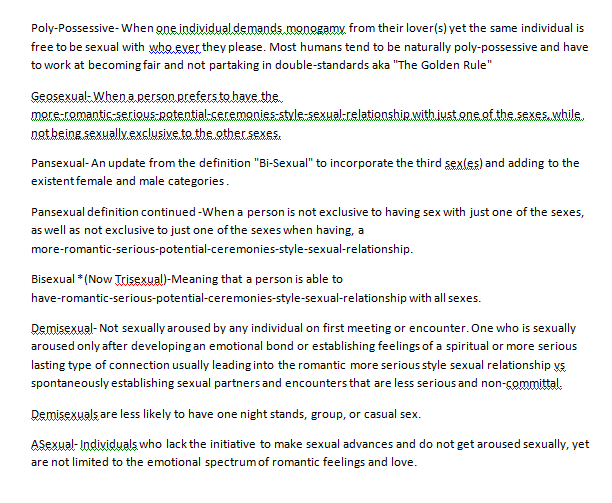
This diversity also exists on an individual level. People have different sexual orientations, gender identities, desires, and ways of forming relationships. Recognizing and respecting this diversity is fundamental to understanding human sexuality as a whole.
Now let's check your understanding of these foundational concepts.
Which statement best describes human sexuality?
The influence of family, community, and media on how you understand and express your sexuality falls under the __________ dimension.
This introduction provides a framework for exploring human sexuality. By considering its biological, psychological, and social dimensions, and by understanding the importance of health and rights, we can appreciate the rich diversity of human experience.