The Métis of Canada
Origins of the Métis
A New People of the Plains
The story of the Métis begins with the North American fur trade. As European traders, mostly from France and Scotland, pushed west in the 17th and 18th centuries, they relied heavily on the knowledge and support of First Nations peoples. These relationships weren't just about business; they often led to marriage.
These unions, known as marriages à la façon du pays (according to the custom of the country), were alliances. European men gained kinship ties, trading partners, and guides to a new land. Indigenous women secured direct access to European goods and a measure of stability for their communities. From these families, a new culture was born.
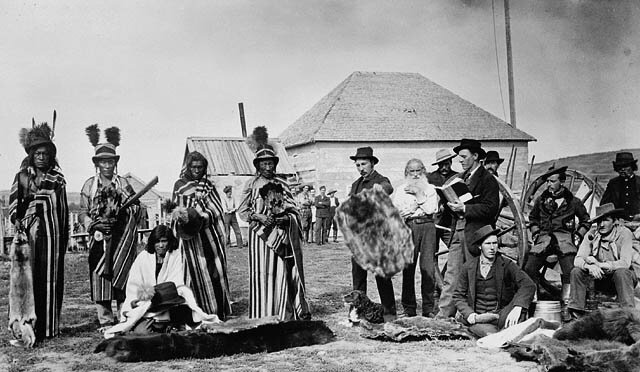
The children of these unions were the first Métis. They grew up in a world that blended European and Indigenous ways of life. They might speak French or English with their fathers and Cree or Ojibwe with their mothers. They learned trapping and trading from one side of the family and hunting and living off the land from the other. This fusion created a unique and distinct identity.
Métis
noun
A person of mixed Indigenous and European ancestry, who identifies as Métis, is distinct from First Nations, Inuit, and non-Aboriginal peoples, and is accepted by the Métis Nation. The word comes from the French verb métisser, meaning 'to mix'.
Life in the Red River Valley
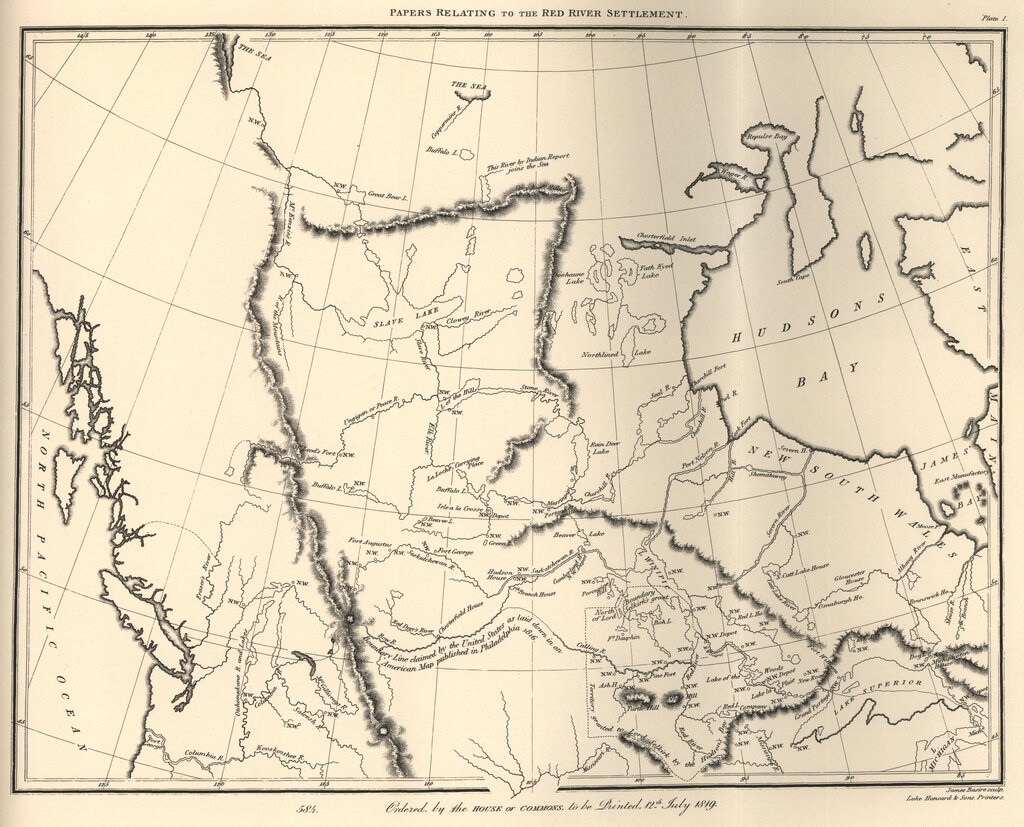
Early Métis communities sprang up around fur trading posts across the Great Lakes and the Canadian Prairies. The most significant of these was the Red River Colony, in what is now Manitoba. This area became the heartland of the Métis Nation.
The Métis were vital to the fur trade's success. They worked as interpreters, guides, clerks, and suppliers. They were masters of the prairie, skilled in both hunting and farming. One of their most important contributions was the Red River cart, a sturdy, two-wheeled vehicle perfect for transporting goods over the rough prairie terrain. These carts, traveling in long trains, became a symbol of Métis ingenuity and commerce.
The Métis were also famous for their large, organized bison hunts. These hunts were not just for food; they were major social and economic events that reinforced community bonds and supplied pemmican, a high-energy food made of dried meat and fat, which was a staple for fur traders.
A Blended Culture
The Métis culture is a rich tapestry woven from Indigenous and European threads. This is beautifully illustrated by the Michif language, which combines French nouns with Cree verbs. It is a language unique to the Métis people.
Hello / How are you?
This blending is also visible in their art and traditions. Métis beadwork is famous for its bright, floral designs, combining Indigenous techniques with European motifs. Their music and dance, particularly the energetic Red River Jig, mix Scottish and French fiddling with First Nations rhythms.
Living between two worlds, the Métis forged a culture, economy, and identity all their own, becoming a foundational people in the development of Western Canada.
What does the French phrase à la façon du pays refer to in the context of the fur trade?
Which of the following is the best example of how Métis culture blends Indigenous and European traditions?