The Mothers of the Faithful
Introduction to Early Islamic History
Arabia Before Islam
Before the seventh century, the Arabian Peninsula was a land of vast deserts, rugged mountains, and scattered oases. Life for many was nomadic, organised around kinship and survival. Tribes, known as Bedouins, moved with their herds in search of water and pasture. This constant movement shaped a society that valued loyalty, honour, and resilience above all else.
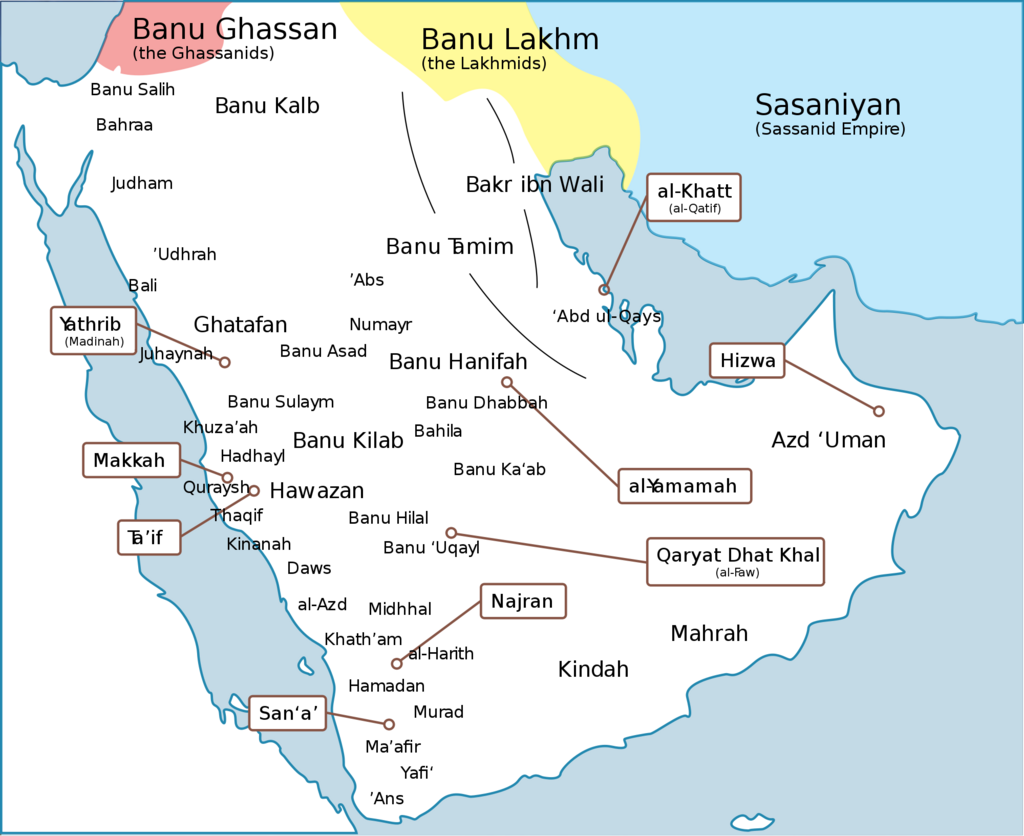
The tribe was the centre of a person's world. It was their source of identity, protection, and law. Each tribe was a collection of clans, which were extended families. Loyalty to one's clan and tribe was paramount, and a complex code of honour governed everything from hospitality to revenge. This system provided a strong social fabric but also led to frequent, often bloody, inter-tribal conflicts over resources and prestige.
Religiously, the landscape was just as varied. Most Arabs were polytheists, worshipping a pantheon of gods and goddesses. Idols representing these deities were housed in shrines across the peninsula, with the most important being the Kaaba in Mecca. Alongside this, there were significant communities of Christians and Jews, particularly in the south of Arabia and in oases like Yathrib (later Medina). Their monotheistic beliefs were known, but not widespread among the Arab tribes.
Pre-Islamic Arabia was a mosaic of powerful tribes, diverse beliefs, and vital trade routes, all centred around the bustling city of Mecca.
The Hub of Mecca
Mecca was more than just a city; it was the heart of Arabia. Positioned at the crossroads of major trade routes, it connected the Byzantine Empire in the north with the kingdoms of Africa and the sea routes to India. Caravans carrying spices, silks, and other precious goods passed through, making the city a wealthy commercial hub.
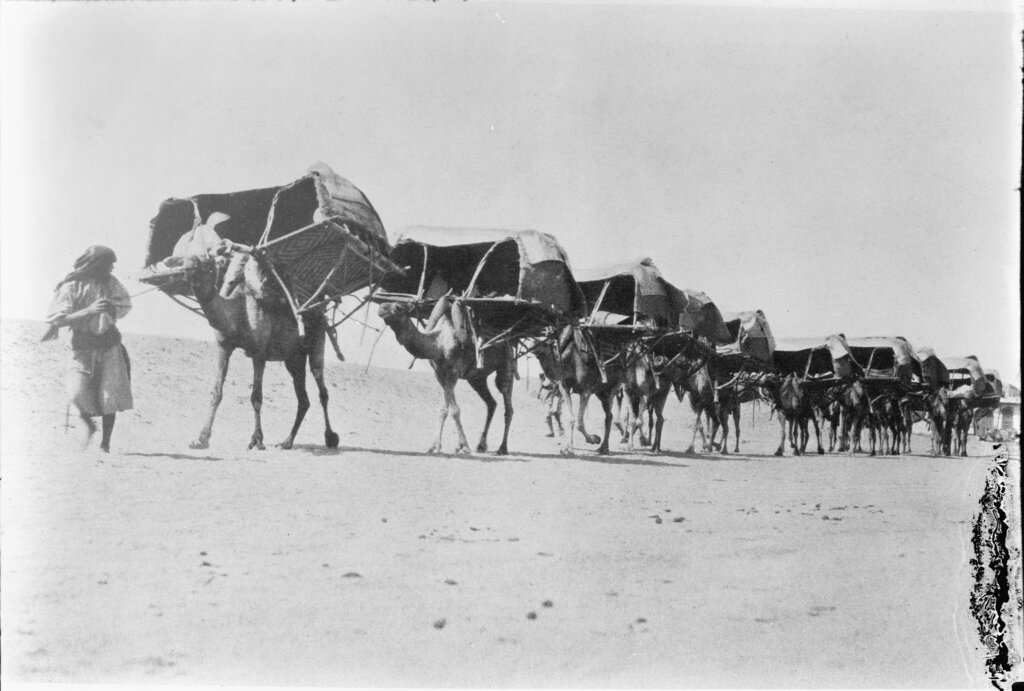
The city's importance was magnified by its religious significance. At its centre stood the Kaaba, a simple cube-shaped building that housed hundreds of idols from different tribes. An annual pilgrimage to the Kaaba drew people from all over Arabia, turning Mecca into a temporary truce zone where conflicts were set aside for worship and trade.
The powerful tribe of Quraysh controlled Mecca. They were the custodians of the Kaaba and managed the annual pilgrimage, which gave them immense prestige and economic power. The Quraysh were divided into several clans, including the Banu Hashim, the clan to which the Prophet Muhammad would belong.
The First Revelation
Into this world, around the year 570 CE, Muhammad ibn Abdullah was born. An orphan from the Banu Hashim clan, he was raised by his grandfather and later his uncle, Abu Talib. As a young man, he earned a reputation for his honesty and integrity, becoming known as al-Amin, the trustworthy one. He worked as a merchant, travelling with caravans and managing the business of a wealthy widow named Khadijah, whom he later married.
Though respected, Muhammad was troubled by the state of his society. He saw the stark social inequalities, the endless tribal warfare, and the idol worship that dominated Meccan life. Seeking solitude, he would often retreat to a cave on Mount Hira, just outside the city, to meditate and reflect.
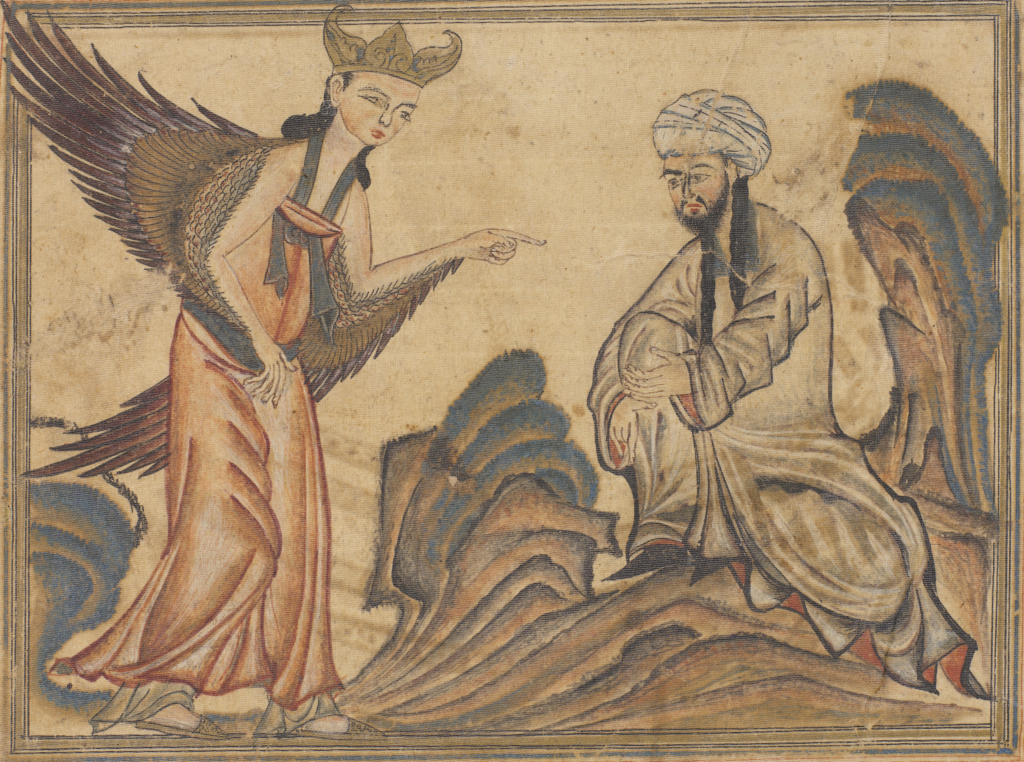
It was during one of these retreats, in the year 610 CE, when Muhammad was forty years old, that his life changed forever. According to Islamic tradition, the Angel Gabriel (Jibril) appeared before him and delivered the first words of what would become the Quran. The command was simple yet profound:
“Read! In the name of your Lord who created—created man from a clinging substance. Read! And your Lord is the Most Generous—Who taught by the pen—taught man that which he knew not.” (Quran 96:1-5)
This event marked the beginning of Muhammad's mission as a prophet. Initially shaken, he was comforted by his wife Khadijah, who became his first follower. The message he was tasked to deliver was radical for its time: there is only one God (Allah), and the idols of the Kaaba were worthless. This call to monotheism and social justice would soon challenge the very foundations of Meccan society.
What was the central unit of social identity and protection for the nomadic peoples of the Arabian Peninsula before the seventh century?
Which statement best describes Mecca's significance in pre-Islamic Arabia?