The Monroe Doctrine Explained
Origins
A Hemisphere in Flux
The early 1800s were a time of dramatic change in the Americas. For centuries, Spain had controlled a massive empire stretching from the tip of South America to the vast territories of North America. But this colonial giant was weakening. Back in Europe, the Napoleonic Wars had thrown the continent into chaos, destabilizing the Spanish monarchy and loosening its grip on its distant colonies.
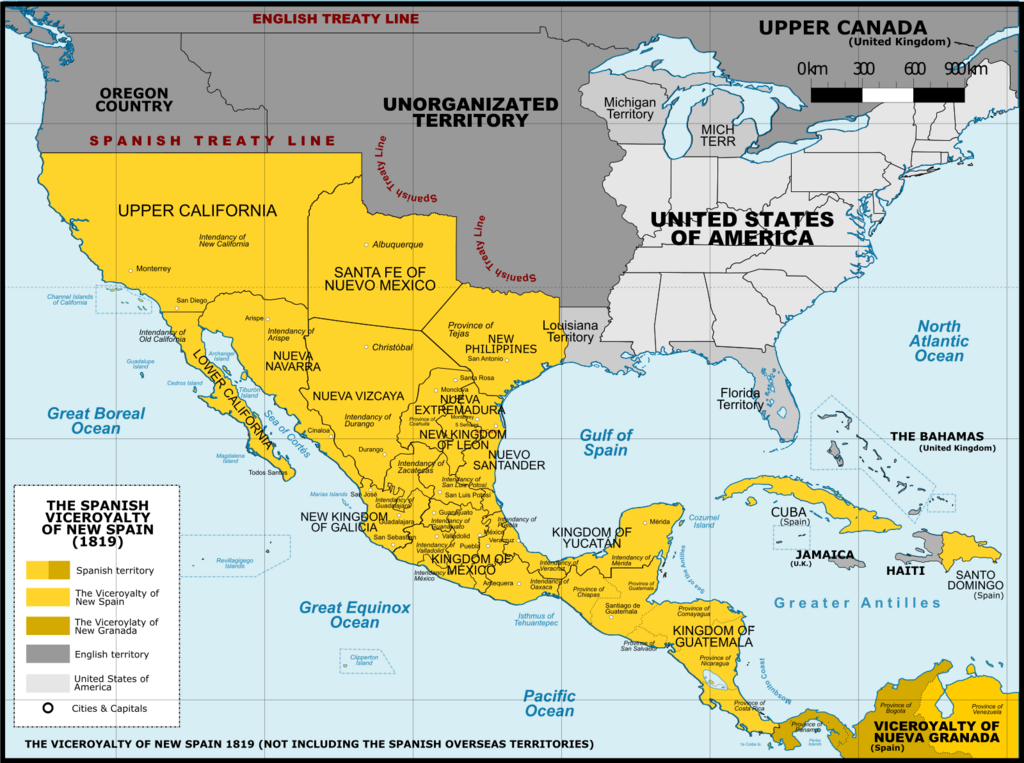
Inspired by the American and French Revolutions, independence movements ignited across Latin America. Leaders like Simón Bolívar in the north and José de San Martín in the south led grueling campaigns for liberation. By the early 1820s, their efforts had been successful. A wave of new, independent nations—including Mexico, Colombia, and Peru—had emerged from the remnants of the Spanish empire. The political map of the Western Hemisphere was being completely redrawn.
New Nations, Old Powers
The birth of these new republics was not welcomed by everyone. In Europe, the old monarchies viewed these democratic experiments with alarm. A conservative alliance of European powers, including Russia, Prussia, Austria, and France, saw these revolutions as a threat to their own stability. They openly discussed plans to help Spain recapture its former colonies and crush the newly formed governments.
This interventionist mood in Europe created a direct challenge to the sovereignty of the new Latin American states.
Not all of Europe shared this view. Great Britain, with its powerful navy and global trade interests, had a different perspective. During the wars of independence, British merchants had established lucrative trade relationships with the newly opened markets of Latin America. If Spain were to reassert control, it would restore its old trade monopoly, shutting Britain out. London had no interest in seeing that happen.
At the same time, Russia was expanding its influence on the other side of the continent. From its foothold in Alaska, Russia was pushing south along the Pacific coast, claiming territory in what is now Oregon and California. This creeping expansion was a growing concern for the United States.
America's Wary Eye
The United States watched these developments closely. As the first successful republic in the hemisphere, it felt a natural sympathy for its newly independent neighbors to the south. Their struggle for self-governance mirrored America's own fight against a European empire just a few decades earlier.
However, the U.S. in the 1820s was still a young nation with a relatively weak military. It was wary of getting entangled in European conflicts. The country's primary focus was on its own security and westward expansion across the North American continent. The prospect of powerful European monarchies re-establishing a major presence next door was deeply unsettling. It threatened not only the future of the new Latin American republics but also the long-term security and commercial interests of the United States itself.
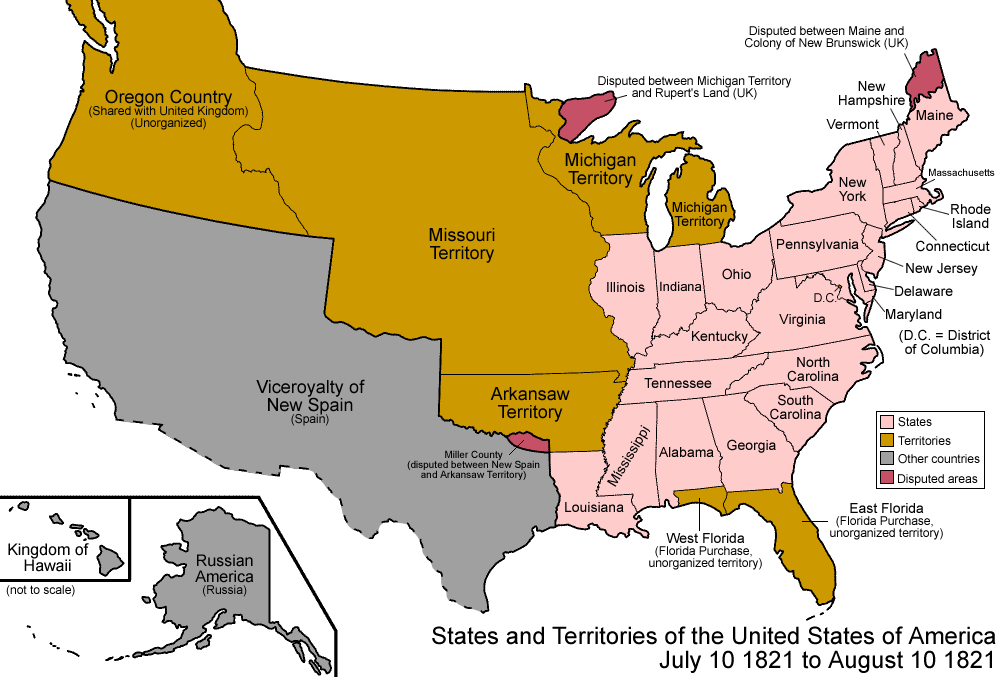
This complex mix of crumbling empires, revolutionary new nations, and competing global interests created a volatile situation. It was in this environment of opportunity and threat that American leaders felt the need to make a clear statement about the role of the Americas in the world.