The Mongol Empire's Global Footprint
Origins of the Mongol Empire
Life on the Steppe
Before there was an empire, there were tribes scattered across the vast, harsh grasslands of Central Asia. The people who would become the Mongols were pastoral nomads. Their lives revolved around their animals: horses, sheep, goats, and camels. They followed the seasons, moving their herds to fresh pastures and sources of water.
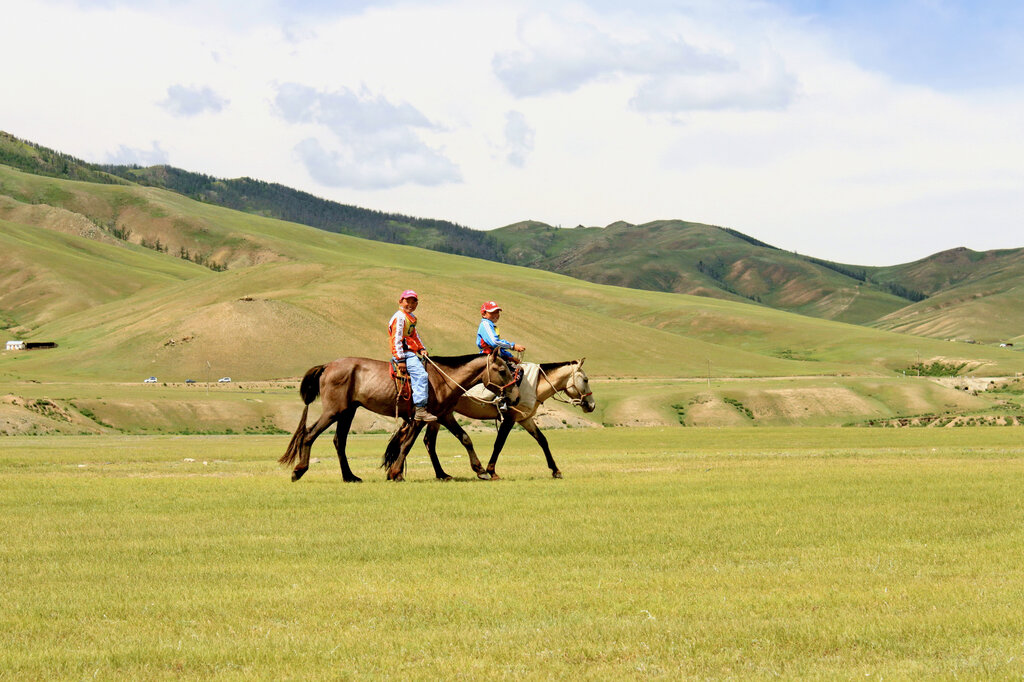
This lifestyle demanded resilience and skill. Mongols were expert horsemen from a young age, and their ability to thrive in a challenging environment shaped their culture. Families lived in portable, felt-covered dwellings called gers (yurts), which could be packed up and moved in a matter of hours. Survival depended on the well-being of the herd and the strength of the family.
A Fractured World
The Mongolian plateau around the year 1200 was not a unified nation. It was a complex patchwork of rival tribes and confederations, each with its own leader, or khan. The most powerful groups included the Tatars, Merkits, Naimans, Kereits, and the Mongols themselves. These groups frequently fought over grazing lands, trade routes, and resources. Alliances were temporary and betrayals were common.
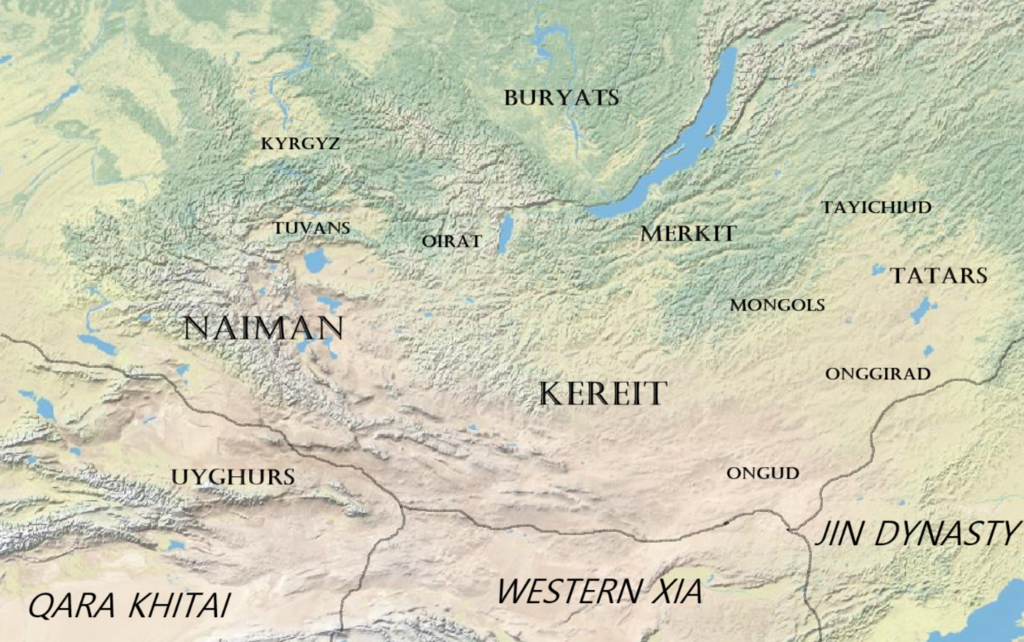
Society was organized around clans and lineages. Loyalty was primarily to one's own family and tribe, not to a larger ethnic or national identity. Raiding other tribes to steal livestock and capture women was a common practice that fueled cycles of revenge and warfare. This constant conflict prevented any single group from dominating the region for long.
Before unification, the primary political unit was the tribe. Loyalty was local, and the steppe was a landscape of shifting alliances and constant conflict.
The Rise of Temujin
Into this volatile world, a boy named Temujin was born around 1162. His early life was marked by hardship. His father, a minor Mongol chief, was poisoned by rival Tatars, and Temujin's family was abandoned by their clan. He and his mother were forced to survive on their own in the wilderness, foraging for roots and hunting small animals. These years of poverty and struggle forged a leader with incredible determination and a deep understanding of tribal politics.
Temujin slowly began to build a following. He proved to be a brilliant military strategist and a charismatic leader. He formed a crucial alliance with Toghrul, khan of the powerful Kereit tribe and a sworn brother (anda) of his late father. He also forged a bond with another rising leader named Jamukha. Together, they rescued Temujin's wife, Börte, after she was kidnapped by the Merkits.
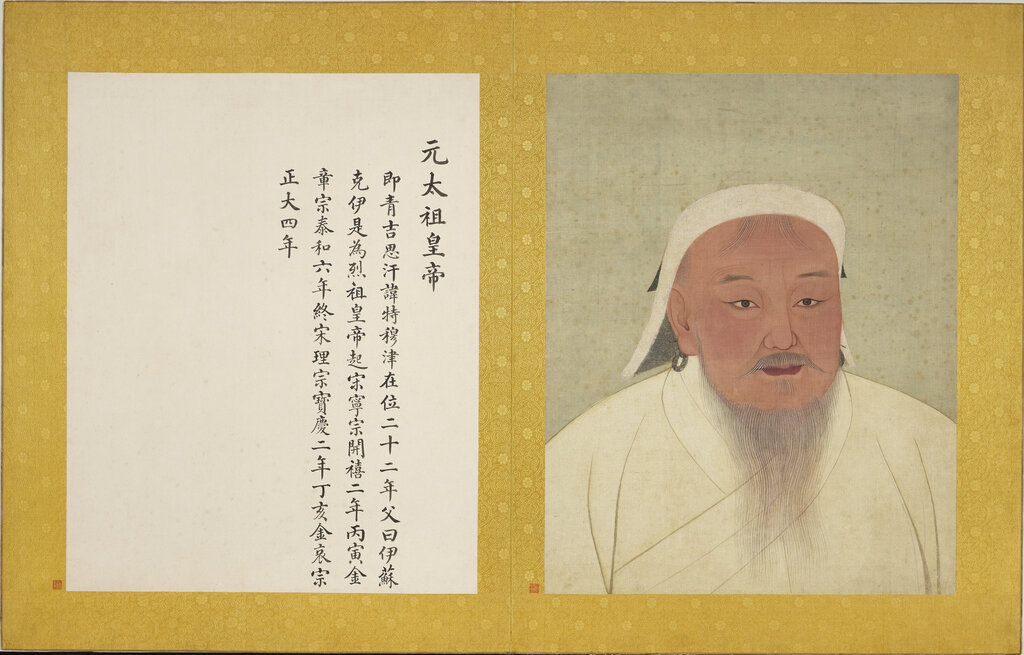
Unlike other leaders who distributed spoils of war based on rank, Temujin shared plunder with all his warriors and the families of the fallen. He also brought conquered people into his tribe, judging them on skill and loyalty rather than their lineage. This merit-based approach earned him fierce loyalty and attracted followers from across the steppe, swelling his ranks with capable men.
Genghis Khan circumnavigated ethnic, administrative, and political problems of the past by reorganizing and leveraging diversity to his advantage.
Through a series of strategic alliances and ruthless campaigns, Temujin defeated his rivals one by one. He crushed the Tatars, his father's murderers. He turned on and defeated his former allies, the Kereits and Jamukha's confederation. Finally, he subdued the powerful Naimans in the west. By 1206, he had eliminated all major opposition.
In 1206, a great assembly, or kurultai, was held. All the unified tribes gathered and proclaimed Temujin as their supreme ruler. He was given the title Genghis Khan, which likely means 'Oceanic Ruler' or 'Universal Ruler.' For the first time, the people of the steppe were united under a single leader, creating a new identity: the Yeke Mongol Ulus, or the Great Mongol Nation. The foundation for one of history's largest empires was now complete.
What was the primary lifestyle of the people who would become the Mongols before the rise of Genghis Khan?
Which of the following best describes the political landscape of the Mongolian plateau around the year 1200, before Temujin's unification?