The Mongol Empire: A Historical Overview
Origins of the Mongols
Life on the Steppe
Before they built the largest land empire in history, the Mongols were a collection of nomadic tribes roaming the vast, harsh grasslands of Central Asia. This environment, known as the steppe, is a world of extremes. It has long, brutal winters and short, hot summers. Water is scarce, and the land offers few places to hide from the elements or from enemies.
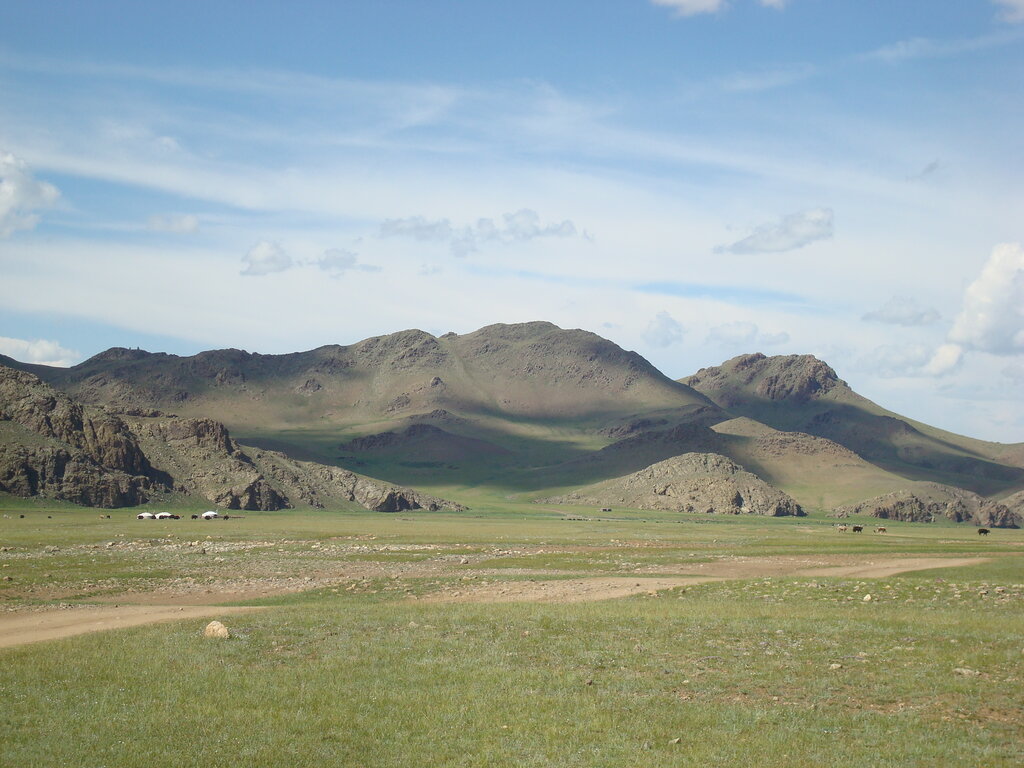
To survive here, the Mongols became expert pastoralists. They didn't settle down and farm. Instead, they moved with the seasons, guiding their herds of sheep, goats, camels, and, most importantly, horses to fresh pastures and water sources. Their entire existence depended on the well-being of their animals, which provided food, transportation, and materials for clothing and shelter.
The horse was the center of the Mongol world. Children learned to ride almost as soon as they could walk. A Mongol warrior was inseparable from his mount, able to ride for days, sleeping and eating in the saddle. Horses were a measure of wealth and a vital tool for hunting and warfare.
Their homes, called gers (or yurts), were marvels of engineering. These circular, felt-covered tents could be dismantled and packed onto carts in about an hour, making them perfectly suited for a life on the move.
A Society of Clans
Mongol society was built on kinship. The basic unit was the nuclear family. Multiple families who traced their lineage to a common male ancestor formed a clan. Several clans would then unite to form a tribe.
Loyalty was the glue that held this structure together, but it was often fragile. Alliances between tribes shifted constantly, forged through marriage, sworn oaths, or the charisma of a powerful leader. Tribes were not bound to a specific territory but to a leader, known as a khan. Leadership wasn't guaranteed by birth; a khan had to prove his worth through generosity, wisdom, and success in battle. This constant competition for power and followers made the steppe a volatile and politically fragmented place.
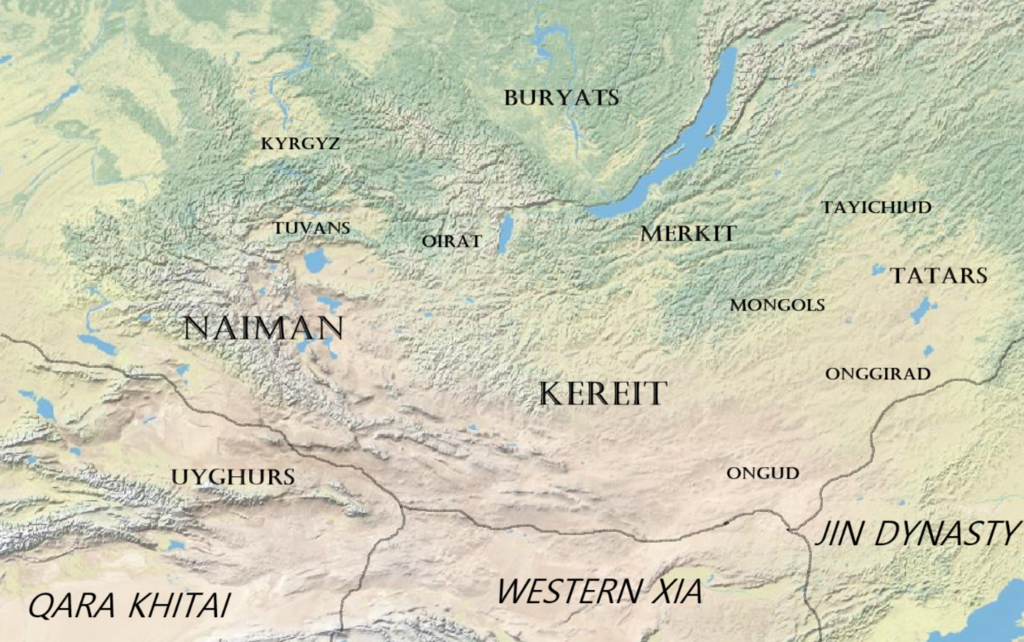
There was no central government. Instead, a complex web of personal loyalties and rivalries defined political life. An ambitious leader could unite several tribes into a powerful confederation, but these alliances often fell apart just as quickly as they were formed, especially after the leader's death.
| Unit | Description |
|---|---|
| Family | The basic social and economic unit. |
| Clan | A group of related families with a common ancestor. |
| Tribe | A larger group of clans united under a single leader (khan). |
| Confederation | A temporary alliance of multiple tribes, often for military purposes. |
Shaped by the Land
The geography of the steppe directly influenced every aspect of Mongol life, from their diet to their politics. The scarcity of resources meant constant competition. Tribes frequently raided one another for livestock, goods, and captives. This created a culture where military skill and readiness were essential for survival.
This environment also fostered a remarkable resilience and self-sufficiency. Every person, man or woman, had to be tough and resourceful. They were expert hunters and skilled archers, skills honed on the open steppe that would later prove devastating on the battlefield.
At times, changes in climate could have dramatic effects. A period of drought might force tribes to migrate into new territories, sparking widespread conflict over grazing lands. Conversely, a period of milder, wetter weather could increase the availability of grass, leading to larger herds, a growing population, and the potential for a leader to unite many tribes under a single banner.
The harsh, unforgiving landscape of the steppe acted as a crucible, forging a people who were adaptable, resilient, and highly skilled in the arts of nomadic warfare.
These were the people of the steppe before the rise of their great empire. They were a disunited collection of nomadic tribes, shaped by a harsh land and a culture of constant competition, yet possessing the skills and resilience that would soon allow them to change the world.