The Modern World System Explained
Introduction to World-Systems Theory
A Global Perspective
When we look at a map, we typically see a world divided into countries, each with its own government and economy. But what if we looked at it differently? What if we saw the entire globe as one big, interconnected social system? This is the core idea behind world-systems theory.
World-systems theory argues that to understand the inequalities between countries, we can't just study them in isolation. We need to analyze the global economic system that connects them all.
This approach shifts the focus from individual nation-states to the larger system they operate within. It suggests that a country's development isn't just about its internal policies or culture, but also about its position and role within the global whole. A central concept to this is the idea of a 'world-system'.
world-system
noun
A self-contained social system with a single division of labor and its own distinct cultural features. It's a 'world' not because it encompasses the entire planet, but because it is larger than any single state and is its own self-contained universe of social and economic relations.
Empires vs Economies
Historically, these large-scale systems have come in two main forms: world-empires and world-economies. The difference between them lies in how they are controlled.
| Feature | World-Empire | World-Economy |
|---|---|---|
| Political Structure | A single, dominant state controls the entire system. | Multiple, competing states exist. No single state has control. |
| Economic Control | Wealth is extracted through tribute and taxes, flowing to the political center. | Economic exchange occurs through a market. Profit, not tribute, drives the system. |
A world-empire is a system like ancient Rome or the Mongol Empire. One central government dominated a vast territory, using its military and political power to extract resources from the areas it conquered. The economy served the state.
A world-economy, on the other hand, is a large geographic zone with a division of labor but without a unified political structure. Think of the web of trade routes across the Indian Ocean before European dominance. Many different states and cultures were linked by trade, but no single one ruled them all. In this system, economic forces, not a central government, tie everything together.
The Modern World-System
According to this theory, the system we live in today is a capitalist world-economy. It began to emerge in Europe around the 16th century and is the first world-economy in history to spread and cover the entire planet.
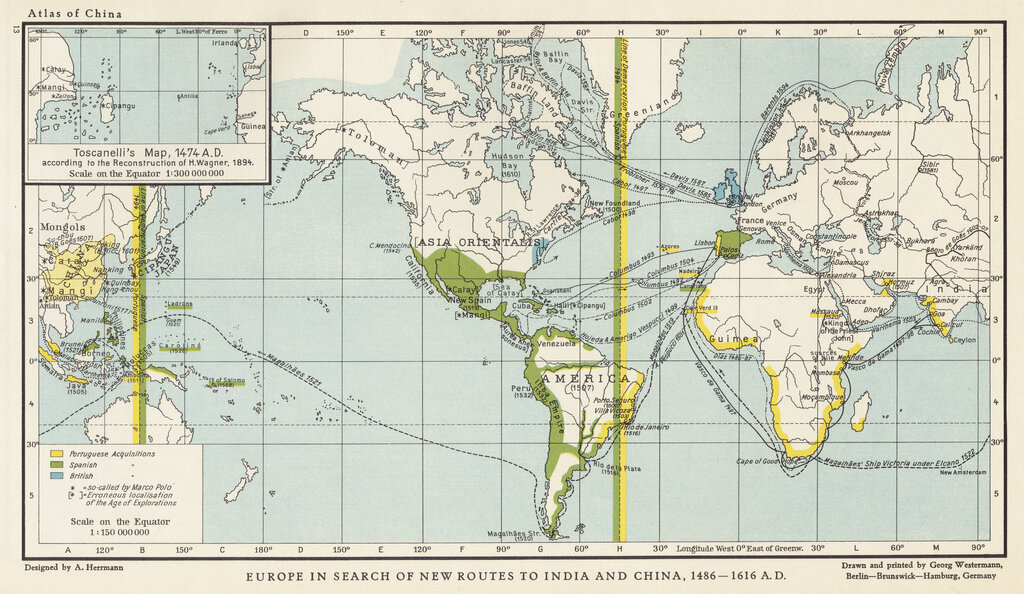
This modern world-system is characterized by the endless pursuit of profit. It created a global division of labor that connects distant regions, with some areas specializing in high-profit industries and others in low-profit resource extraction and labor. Understanding this large-scale structure is the key to analyzing why wealth and power are distributed so unevenly across the globe today.
What is the primary unit of analysis in world-systems theory?
What key feature distinguishes a 'world-empire' from a 'world-economy'?