The Modern Tulip Trade
Introduction to the Tulip Industry
From Mountains to Markets
Though now synonymous with the Netherlands, the tulip's story begins far away in the mountainous regions of Central Asia. It was first cultivated in the Ottoman Empire, where it became a cherished symbol of wealth and power. Tulips made their way to Europe in the 16th century, and they found a particularly welcoming home in the sandy, well-drained soils of the Netherlands.
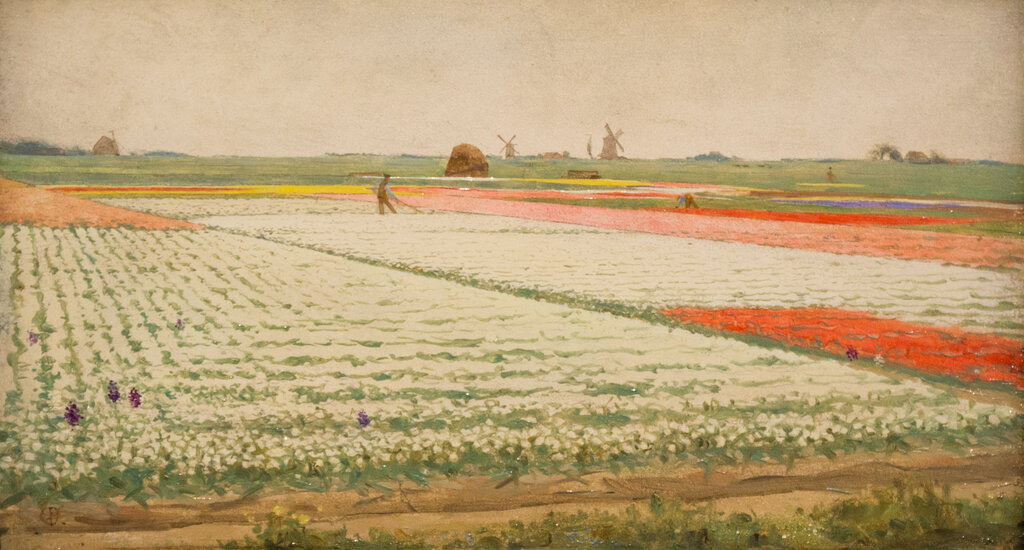
This arrival sparked a phenomenon known as "Tulip Mania" in the 1630s, one of history's most famous speculative bubbles. Prices for rare bulbs soared to astronomical heights before crashing spectacularly. While the mania passed, the Dutch love for the tulip did not. Over centuries, they honed their cultivation skills, transforming a treasured flower into a global industry.
The Dutch Dominance
Today, the Netherlands is the undisputed center of the global tulip industry. The country's ideal climate and soil, combined with centuries of expertise and innovation in bulb farming, create the perfect conditions for large-scale production. The numbers are staggering. The Netherlands produces around three billion tulip bulbs annually.
Of the roughly 13 billion flower bulbs produced worldwide each year, about 11 billion come from the Netherlands. Tulips make up a significant portion of this total.
The sheer scale is hard to comprehend. Vast fields, primarily in the provinces of North and South Holland, transform into a patchwork of vibrant color each spring. These aren't just for show; they are massive agricultural operations geared towards producing healthy, high-quality bulbs for export.
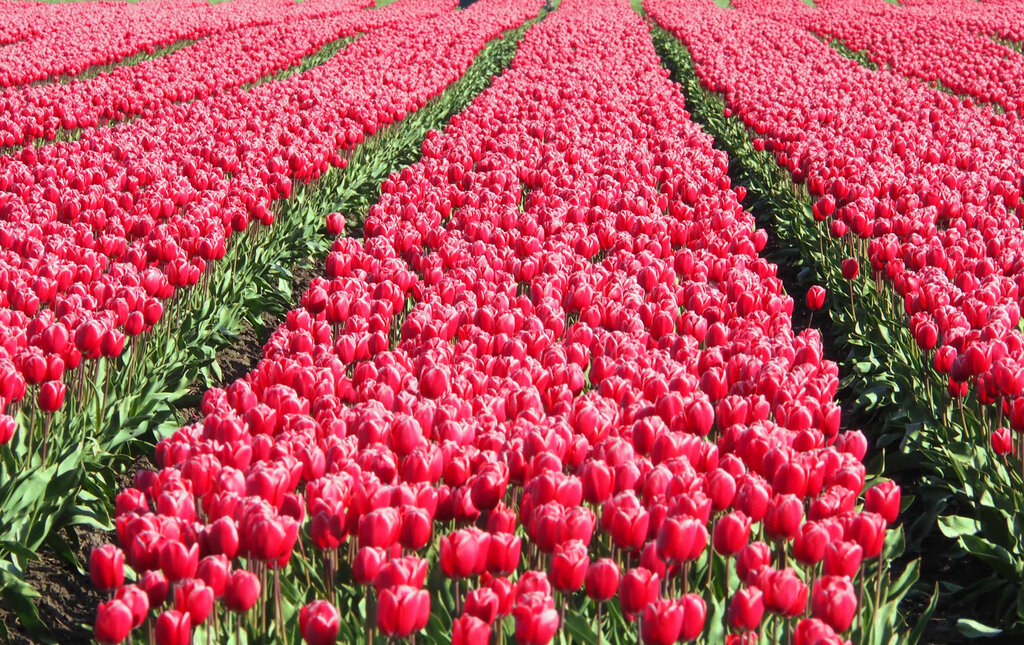
While the Netherlands is the heavyweight champion, other countries also contribute to the global supply. France, Japan, and Poland are notable producers, though their output is a small fraction of what the Dutch achieve. For the most part, when you buy a tulip bulb or a bouquet of cut tulips, chances are it began its journey in a Dutch field.
A Blooming Economy
The tulip is more than a cultural icon; it's a vital economic engine for the Netherlands. The flower bulb trade, with tulips as its star player, is a multi-billion dollar industry. The vast majority of bulbs, over 80%, are exported to countries around the world, making the Netherlands the leading global supplier.
This industry supports thousands of jobs, from growers and researchers to traders and logistics specialists. At the heart of this trade are the world-renowned Dutch flower auctions, like Royal FloraHolland. This massive cooperative is a marketplace where growers and buyers from all over the globe connect. Here, millions of flowers and bulbs are traded daily through a fast-paced auction system, setting the price for flowers worldwide.

The economic impact extends to tourism as well. Every spring, millions of visitors flock to the Netherlands to see the tulip fields and visit world-famous gardens like Keukenhof, adding another significant revenue stream linked directly to this beautiful flower.