The Missing Subject
Understanding the Query
What Do You Want to Learn?
Before you can learn anything new, you have to answer a simple question: what, exactly, are you trying to learn? It sounds obvious, but skipping this step is like starting a road trip without a destination. You might see some interesting things along the way, but you won't get where you want to go efficiently, if at all.
Vague goals lead to vague results. Saying “I want to learn to code” is too broad. What language? To what end? A more powerful goal is specific: “I want to learn Python to automate tasks in spreadsheets.” This clarity gives you a roadmap. It tells you what to focus on (Python libraries for spreadsheets) and what to ignore for now (web development or game design).
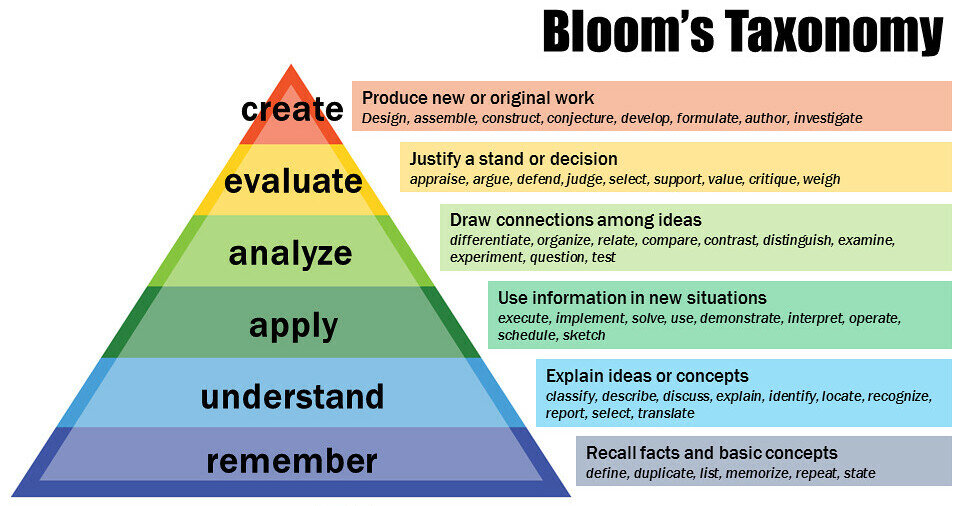
Begin by defining clear and measurable learning objectives for your course.
From Vague Ideas to Clear Goals
Turning a fuzzy interest into a clear objective is a skill. The first step is to ask yourself why you want to learn something. What problem are you trying to solve, or what new ability do you want to have? Your answer will point you toward a more specific goal.
For example, maybe you want to “get better at public speaking.” Why?
- To feel more confident giving presentations at work? Your goal could be: “Learn to structure a 15-minute work presentation and deliver it without relying on notes.”
- To give a memorable toast at a friend's wedding? Your goal is different: “Learn to write and deliver a heartfelt, 3-minute personal story.”
Another strategy is to break a large topic into smaller pieces. “Learning about Ancient Rome” is a massive undertaking. But “Understanding the key factors that led to the fall of the Roman Republic” is a manageable, specific objective. It gives you a clear starting point and a defined finish line.
Articulating Your Goal
Once you have a specific goal, it helps to write it down. A well-formed learning objective is actionable and measurable. It describes what you'll be able to do once you've learned the material.
A good learning objective often includes an action verb, the topic, and a measurable outcome. For instance: “I will be able to identify (action) the five main types of camera shots (topic) in any film I watch (outcome).”
This isn't just academic formalism. This clarity of purpose acts as a filter. When you encounter new information, you can ask, “Does this help me achieve my specific objective?” If the answer is no, you can safely set it aside for later. This focus is the key to making steady, motivating progress.
Now, let's check your understanding of how to set clear goals.
According to the text, what is the first step in turning a vague interest into a clear learning objective?
Which of the following is the most effective, specific learning objective?
With a clear objective in hand, you're ready to find the right resources and build a plan.