The Mighty Timpani
Timpani Origins
Ancient Origins
The story of the timpani begins long before the orchestra. These instruments are part of a family of drums called kettledrums, which have a bowl-shaped body. Their origins trace back centuries to the Middle East and India, where they were often played in pairs, sometimes mounted on camels or horses.
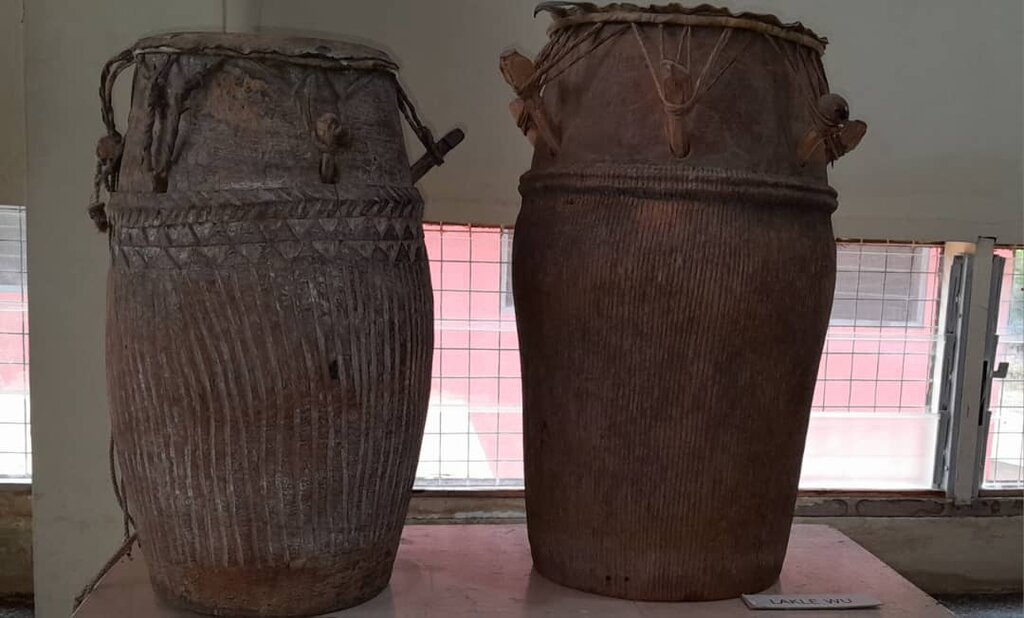
Unlike many drums, kettledrums were designed to produce a definite pitch. This characteristic made them valuable for more than just rhythm. They could add a powerful, resonant tone to military calls and ceremonial music, making them symbols of power and status.
From Battlefield to Court
Kettledrums, then called nakers, arrived in Europe during the Crusades in the 12th and 13th centuries. They were quickly adopted by the military, where they were paired with trumpets. This combination of brass and percussion became the sound of royalty and military might, used to lead cavalry charges and announce the arrival of nobility.
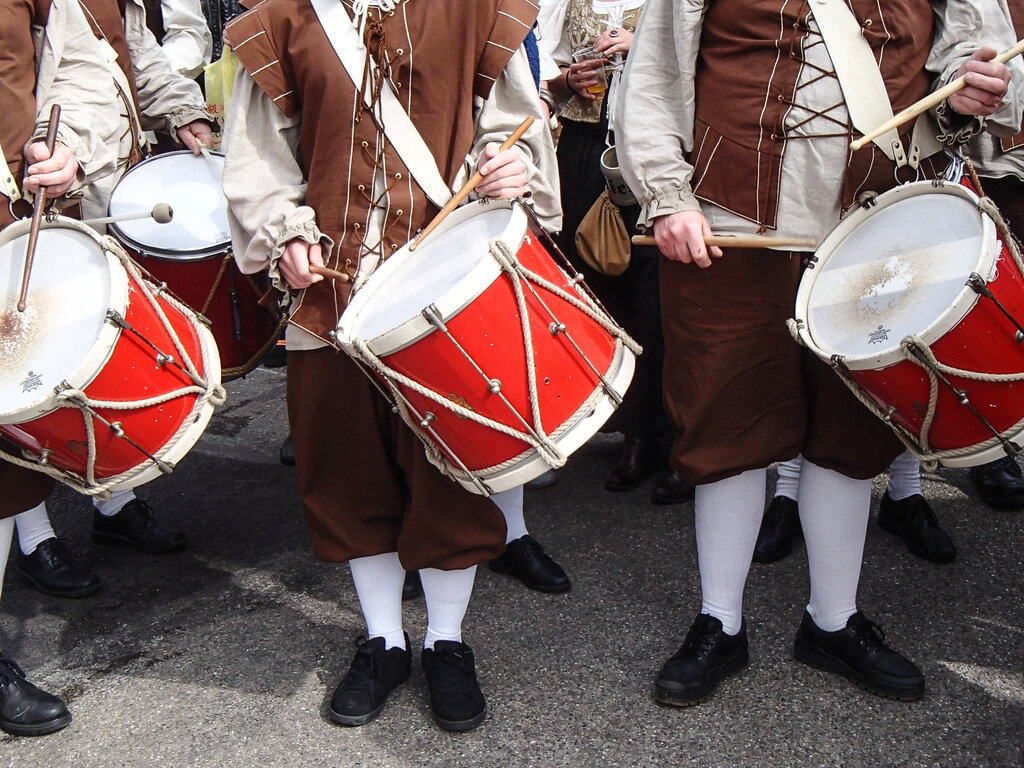
By the 17th century, these drums began to move from the battlefield into the concert hall. Composers like Jean-Baptiste Lully and Henry Purcell were among the first to write for timpani in an orchestral setting. They used the instrument's thunderous sound to create dramatic effects in operas and other large-scale works. At this point, the Italian name timpani became standard.
Tuning and Technology
Early timpani had a major limitation: they were hard to retune. The drumhead was tensioned by a series of hand-tightened screws around the rim. To change the pitch, a player had to adjust each screw individually. This was a slow, noisy process that made it impossible to change notes during a piece.
Because of tuning difficulties, composers in the Baroque and early Classical periods typically used only two timpani, tuned to the tonic and dominant notes of the key.
The 19th century brought a wave of innovation. Inventors developed mechanical systems that linked all the tuning screws together, allowing a player to change the pitch by turning a single crank or handle. This was a significant improvement, but the real breakthrough was the pedal mechanism, developed in the 1870s.
The pedal system allowed the player to change the pitch simply by pressing or releasing a foot pedal, which adjusted the tension on the drumhead. This was a game changer. Timpanists could now change notes quickly and silently, playing complex melodic lines and retuning between notes. Composers like Richard Strauss and Gustav Mahler took full advantage of this new technology, writing elaborate and demanding parts that transformed the timpani from a rhythmic support instrument into a dynamic, melodic voice within the orchestra.
What characteristic distinguished early kettledrums from many other types of drums?
How did the ancestors of the timpani, known as nakers, first arrive in Europe?
This evolution from ancient kettledrums to the modern pedal-tuned instrument reflects a broader story of musical and technological development, securing the timpani's essential role in the orchestra.