The Microbiome Science and Business
Introduction to the Human Microbiome
Your Inner Ecosystem
You are not alone. In fact, you are an entire bustling ecosystem. Trillions of microscopic organisms live in and on your body, outnumbering your own human cells. This vast community of bacteria, fungi, viruses, and other microbes is collectively known as the human microbiome. Think of it as a hidden organ, one that plays a crucial role in your overall health.
Genetically speaking, we are more microbe than human.
Each person's microbiome is unique, like a fingerprint. It's shaped by genetics, diet, lifestyle, and the environment you grow up in. The microbes aren't just passive residents; they are active participants in your body's daily functions. They help digest food, produce essential vitamins, regulate your immune system, and even protect you against disease-causing organisms.
microbiome
noun
The collective genomes of all the microorganisms (such as bacteria, fungi, and viruses) that live in a particular environment, especially a site on or in the human body.
Meet the Microbes
The human microbiome is incredibly diverse, containing a wide array of organisms. The main players include:
- Bacteria: These are the most numerous and well-studied members of the microbiome. While some bacteria can cause illness, the vast majority are either harmless or beneficial. They are essential for breaking down food components that our bodies can't digest on their own.
- Fungi: These include yeasts and molds. Though they make up a small fraction of the total microbiome, they play important roles in immunity and metabolism. An imbalance, like an overgrowth of the yeast Candida albicans, can lead to infections.
- Viruses: The viral component of the microbiome is called the virome. It's not just made of viruses that make us sick. Many viruses, known as bacteriophages, infect and kill bacteria, helping to keep bacterial populations in check.
- Archaea: These single-celled organisms are ancient life forms that can survive in extreme environments. In the human gut, some archaea help with digestion by consuming byproducts from bacterial fermentation.
Location, Location, Location
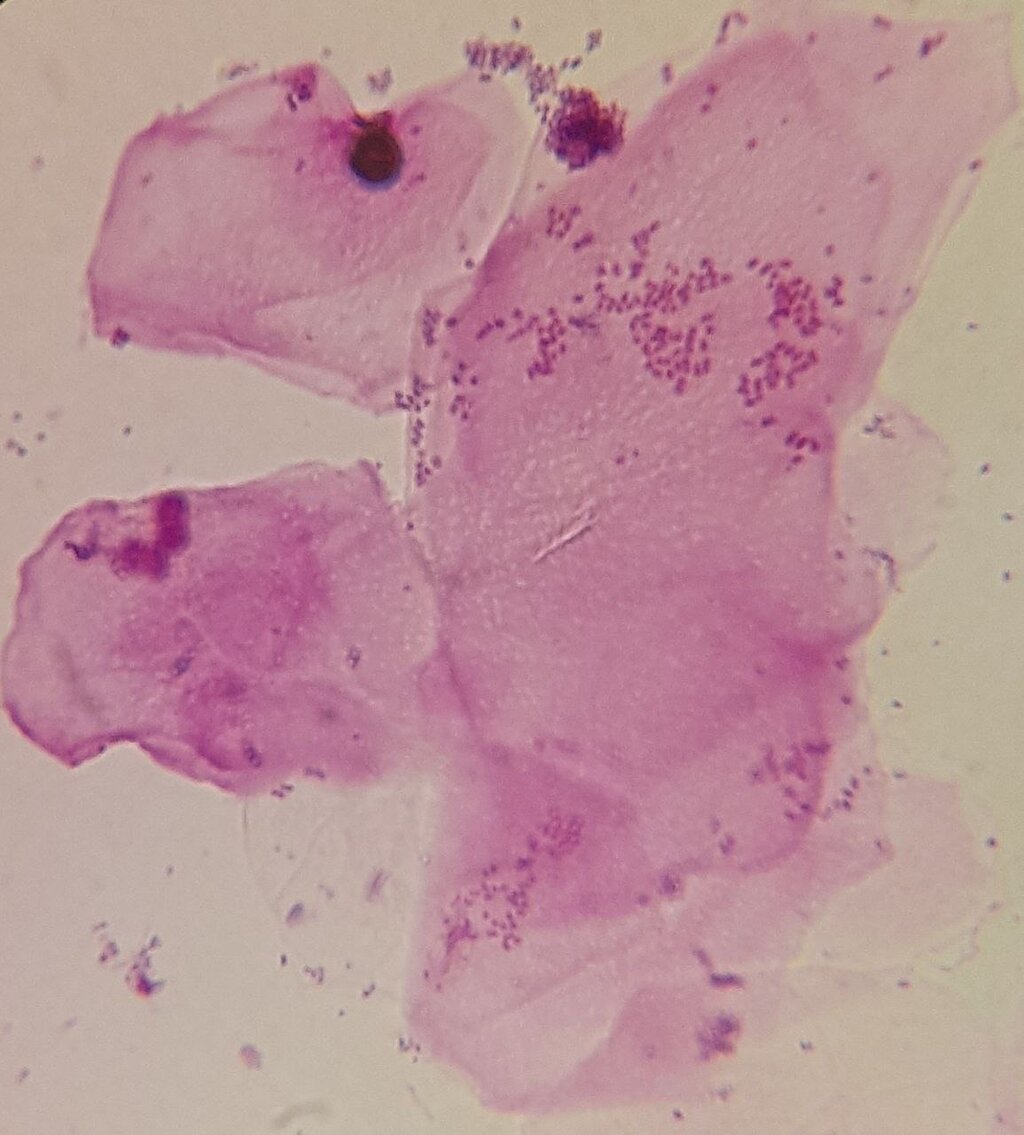
Microbial communities are not spread evenly across the body. Different anatomical sites host distinct collections of microbes, each adapted to its specific environment. It's like having different cities in a country, each with its own unique culture and population.
| Body Site | Environment | Dominant Microbes |
|---|---|---|
| Gut | Oxygen-poor, nutrient-rich | Bacteria like Bacteroides, Firmicutes |
| Skin | Dry, oily, salty | Bacteria like Staphylococcus, Propionibacterium |
| Mouth | Warm, moist, diverse surfaces | Bacteria like Streptococcus, Actinomyces |
| Vagina | Acidic | Bacteria like Lactobacillus |
The gut, particularly the large intestine, is the most densely populated area. The gut microbiome is critical for breaking down complex carbohydrates, producing vitamins like B12 and K, and training our immune system. The skin microbiome acts as a protective barrier, preventing pathogenic organisms from invading. In the mouth, microbes form a complex biofilm on our teeth, and the balance of these microbes determines our risk for cavities and gum disease.
A Partner in Health
A healthy, diverse microbiome is a cornerstone of overall well-being. It's a symbiotic relationship: we provide the microbes with a place to live and nutrients to eat, and in return, they perform tasks vital to our survival.
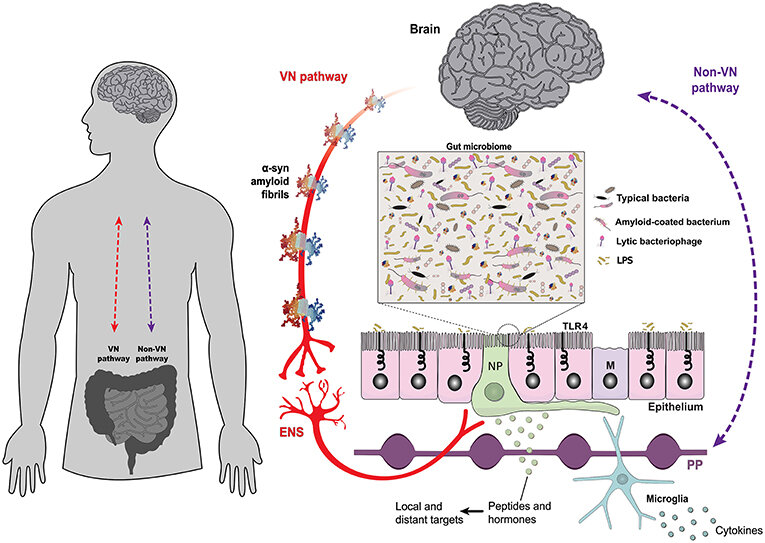
When this microbial community is in balance, a state called eubiosis, it helps protect us from pathogens by outcompeting them for space and resources. But when the community is disrupted, a state called dysbiosis, it can create an opportunity for harmful microbes to thrive. This imbalance has been linked to a wide range of conditions, including inflammatory bowel disease, allergies, obesity, and even mental health disorders.
Think of your microbiome as a garden. To cultivate a healthy garden, you need a diverse range of plants and good soil. Similarly, a diverse microbiome is more resilient and better equipped to keep you healthy.
Factors like a poor diet, stress, and the overuse of antibiotics can disrupt this delicate balance. Nurturing your microbiome through a balanced diet rich in fiber, fermented foods, and a healthy lifestyle is one of the key ways to maintain this crucial partnership for a lifetime of health.
Ready to test your knowledge? Let's see what you've learned about your inner ecosystem.
Which statement best describes the human microbiome?
The state of a disrupted or imbalanced microbial community, which can be linked to various health problems, is known as ______.
Understanding the microbiome is the first step toward appreciating the intricate and vital role these tiny organisms play in our daily lives.