The Mexican Government Explained
Historical Development
From Empire to Viceroyalty
Long before Europeans arrived, complex societies thrived in what is now Mexico. The most prominent was the Aztec Empire, a sophisticated political entity centered in the city of Tenochtitlan. The empire was not a single, unified state but a system of tribute. A central authority, led by the emperor or Tlatoani, ruled over numerous city-states. These conquered regions were required to pay taxes in the form of goods, labor, and even soldiers, but often kept their local rulers and customs.
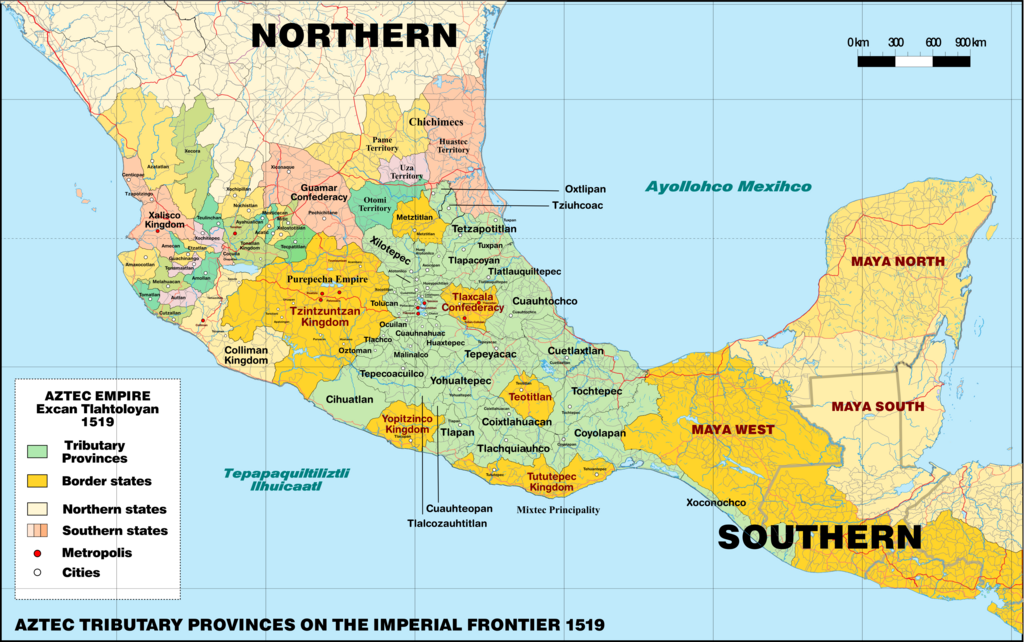
This structure changed completely with the Spanish conquest in the early 16th century. The Aztec Empire was dismantled and replaced by the Viceroyalty of New Spain, a vast colonial territory ruled on behalf of the King of Spain. For 300 years, this system imposed a rigid hierarchy. At the top was the viceroy, the king's personal representative, who held immense power over the colony's military, legal system, and economy. Below him were officials born in Spain, known as peninsulares, who held the most important jobs. People of Spanish descent born in the Americas, called criollos, were often wealthy landowners but were largely excluded from the highest levels of government. This inequality bred deep resentment that would eventually boil over.
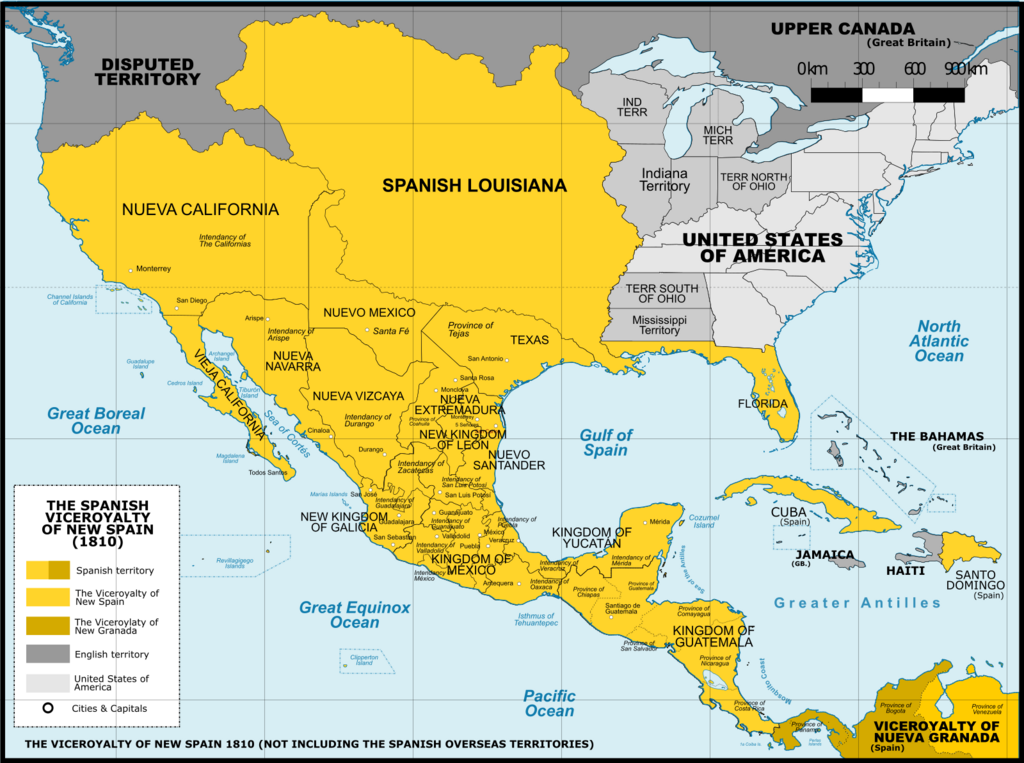
The Fight for a Nation
By the early 1800s, the desire for self-rule was growing. On September 16, 1810, a priest named Miguel Hidalgo y Costilla delivered the “Grito de Dolores” (Cry of Dolores), a call to arms that ignited the Mexican War of Independence. The war was a long and bloody conflict, lasting over a decade. What began as a peasant uprising evolved into a wider struggle led by figures like José María Morelos and Vicente Guerrero, who envisioned a new nation founded on principles of liberty and equality.
The path to independence was complex. In 1821, a conservative royalist officer named Agustín de Iturbide switched sides and joined forces with the rebels. Together, they finally secured victory over the Spanish. However, the new nation's future was far from certain.
Instead of a republic, Iturbide declared himself Emperor of the First Mexican Empire in 1822. This monarchy was short-lived, lasting less than a year before internal conflicts led to its collapse.
Forging a Republic
With the empire gone, political leaders gathered to create a new form of government. The result was the Constitution of 1824, which established the First Mexican Republic. This document was heavily influenced by the United States Constitution. It created a federal system that divided power between a central national government and individual states, each with its own local government.
The new republic was anything but stable. For the next several decades, Mexico was wracked by political turmoil. Power swung back and forth between two main factions: Federalists, who supported the 1824 constitution and strong state rights, and Centralists, who wanted to concentrate power in the national government. This instability led to multiple coups, civil wars, and several changes to the constitution.
This period of internal conflict made the country vulnerable to foreign intervention. It was during this chaotic era that Mexico lost a significant amount of territory, including Texas, California, and much of the modern American Southwest, following the Texas Revolution and the Mexican-American War.
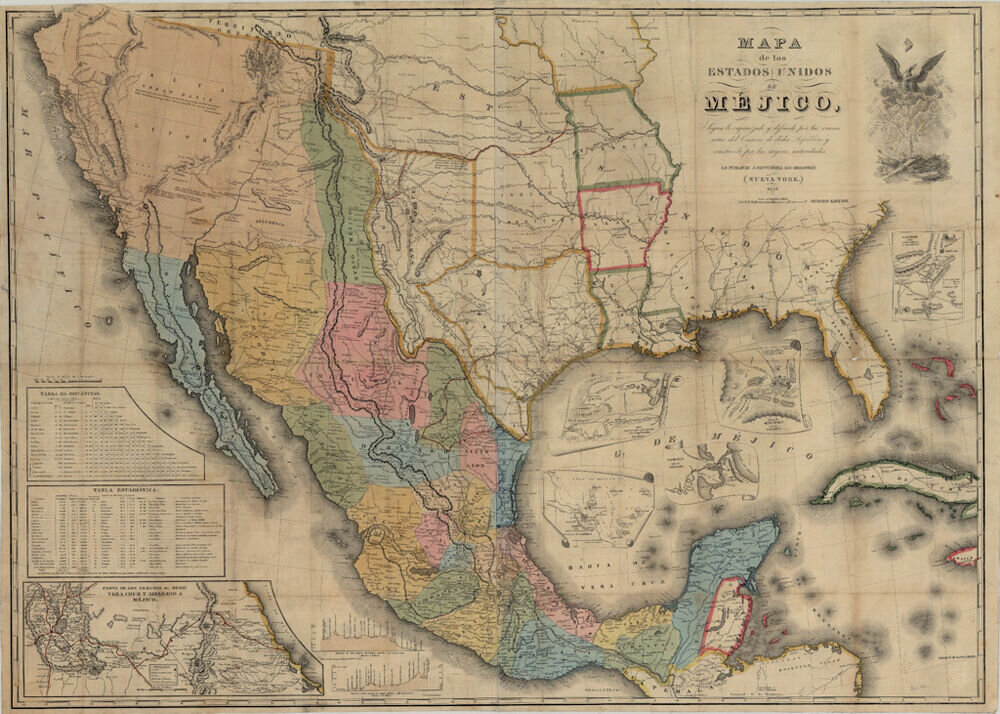
The struggle to define Mexico continued. The mid-19th century saw the rise of Benito Juárez and the Liberal Reform, a movement that sought to create a modern, secular state. This led to yet another civil war, the War of Reform, and a brief French-imposed monarchy. Finally, the turmoil of the Mexican Revolution (1910–1920) paved the way for a new foundational law. The Constitution of 1917, which still governs Mexico today, reaffirmed the federal system and introduced social rights that were revolutionary for their time.
Let's review some of the key periods and concepts from Mexico's governmental history.
Now, check your understanding of how Mexico's government evolved over time.
What was the primary political structure of the Aztec Empire before the Spanish conquest?
In the social hierarchy of the Viceroyalty of New Spain, what distinguished peninsulares from criollos?
This long and often difficult history—from Aztec tribute systems to colonial rule, independence, and revolution—is the foundation upon which Mexico's current federal government is built.