The Mediterranean Diet Explained
Introduction to the Mediterranean Diet
The Mediterranean Way
The Mediterranean diet isn't a strict plan created by nutritionists. It’s a way of eating inspired by the traditional foods and lifestyles of people in countries bordering the Mediterranean Sea, like Greece, Italy, and Spain. For centuries, these cultures have built their meals around fresh, whole foods, and the result is a pattern that’s both delicious and incredibly healthy.

Think of it less as a diet and more as a lifestyle. It’s not about counting calories or eliminating entire food groups. Instead, it's a flexible approach that emphasizes enjoying a wide variety of nutritious foods in the company of others. This social aspect is just as important as the food itself.
Core Principles
The foundation of the Mediterranean diet is simple: eat whole, minimally processed foods.
The plate is built around plants. Vegetables, fruits, whole grains, legumes, nuts, and seeds make up the bulk of every meal. These foods are packed with fiber, vitamins, and antioxidants.
Healthy fats are essential, with extra virgin olive oil being the star. It's used for cooking, dressing salads, and adding flavor. Avocados, nuts, and seeds are other important sources of good fats.
Protein comes mainly from fish and seafood, enjoyed several times a week. Poultry, eggs, and dairy (like cheese and yogurt) are eaten in smaller portions. Red meat is saved for special occasions, not a daily staple.
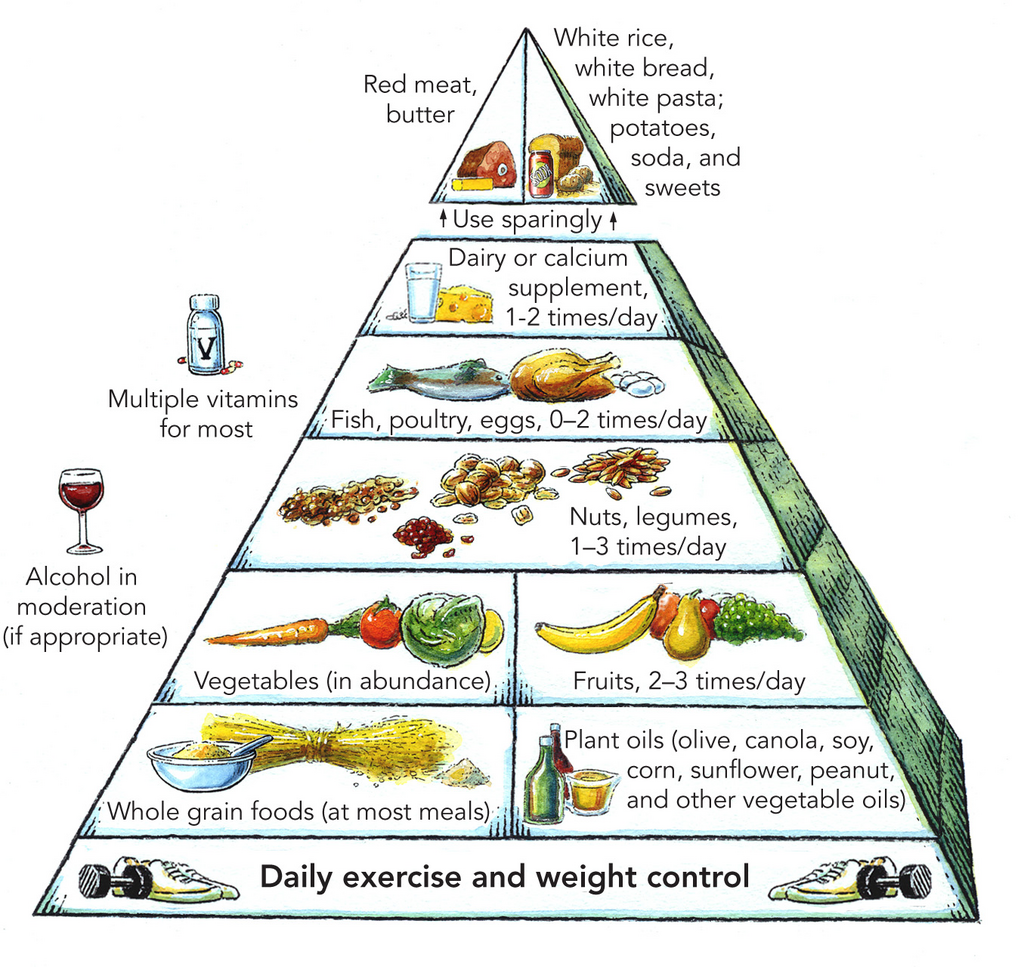
The Mediterranean Diet isn’t just about food—it’s a lifestyle that has been practised for centuries in countries surrounding the Mediterranean Sea.
A Different Approach
How does this compare to a typical Western diet? The differences are significant. While a Western diet often relies on processed foods, red meat, and butter, the Mediterranean diet prioritizes fresh ingredients and olive oil.
| Feature | Mediterranean Diet | Typical Western Diet |
|---|---|---|
| Main Fat | Olive oil | Butter, margarine, processed oils |
| Protein | Fish, poultry, beans | Red meat, processed meats |
| Carbs | Whole grains, legumes | Refined grains, sugars |
| Produce | Abundant fruits & vegetables | Fewer fruits & vegetables |
| Snacks | Nuts, seeds, fruit | Packaged snacks, sweets |
This pattern of eating has been linked to numerous health benefits. It's renowned for supporting cardiovascular health by helping to manage cholesterol and blood pressure. The emphasis on fiber and healthy fats also promotes stable blood sugar levels, improving metabolic health. Furthermore, the rich array of antioxidants and anti-inflammatory compounds found in its core foods can enhance cognitive function and protect brain health over the long term.

Ready to check your understanding of these core ideas? Let's review.
What is the fundamental principle of the Mediterranean diet?
What is the primary source of fat in a traditional Mediterranean diet?
This approach offers a sustainable and enjoyable path to better health, rooted in centuries of tradition.