The Mechanics of Money
Introduction to Money
What Is Money?
Money isn't just the paper bills and metal coins in your wallet. At its core, money is an idea. It's a social convention, an agreement among a group of people that a particular item has value and can be used to trade for goods and services.
Think about it: a twenty-dollar bill is just a piece of polymer. You can't eat it or build a house with it. Its value comes from our collective belief that a shopkeeper will accept it for groceries, and that the shopkeeper believes someone else will accept it from them. This shared trust is what turns an otherwise useless object into money.
Life Before Money
Long before cash or credit cards, people traded directly through barter. If you were a farmer with a surplus of wheat and you needed a new pair of shoes, you had to find a shoemaker who wanted wheat. This sounds simple enough, but it often wasn't.
What if the shoemaker didn't need wheat? What if they wanted clay pots instead? You would then need to find a potter who wanted your wheat, trade for a pot, and then take the pot to the shoemaker. This problem is called the "double coincidence of wants," and it made trade incredibly inefficient. Bartering required a lot of time, energy, and luck.
The double coincidence of wants is a situation where two people each have a good or service that the other wants. Without it, a barter trade cannot happen.
Bartering also made it difficult to value things. How many loaves of bread is one pair of shoes worth? What about a cow? Without a common standard, every transaction had to be negotiated from scratch.
The First Currencies
To solve the problems of barter, societies began to adopt commodity money. This was money that had value outside of its use as a medium of exchange. It was something useful in its own right.
Early forms of commodity money were often things everyone in a society found valuable. In agricultural communities, this could be cattle, grain, or salt. In other regions, people used cowrie shells, whale teeth, or large stones. These items were widely accepted, making trade much simpler.
However, commodity money had its own drawbacks. A cow is valuable, but you can't easily divide it to buy a loaf of bread, and it's not convenient to carry around. Grains could spoil, and shells could be fragile. Societies needed something more durable, divisible, and portable.
From Metal to Paper
Metals like gold and silver were the next logical step. They were durable, easy to carry, and could be melted down and divided into smaller units without losing value. To standardize trade, leaders began minting coins of a specific weight and purity, stamping them with an official seal to guarantee their value. This was a major breakthrough.
For the first time, people had a form of money that was uniform and widely trusted.
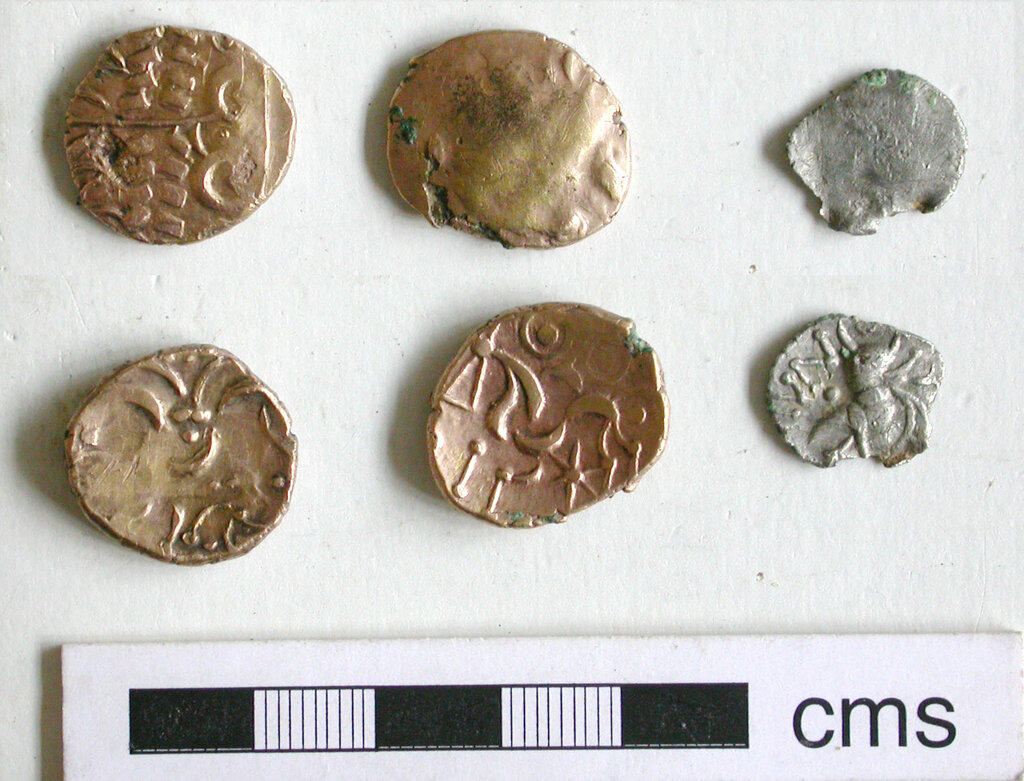
Even with coins, carrying large amounts of gold and silver was risky and inconvenient. In medieval Europe, goldsmiths began offering to store people's precious metals in secure vaults. In return, they gave depositors a paper receipt stating the amount of gold they held.
People soon realized it was easier and safer to trade these paper receipts than to go back to the goldsmith, withdraw the gold, and complete a transaction. These receipts were a form of representative money, as each note represented a claim on a real commodity stored in a vault.
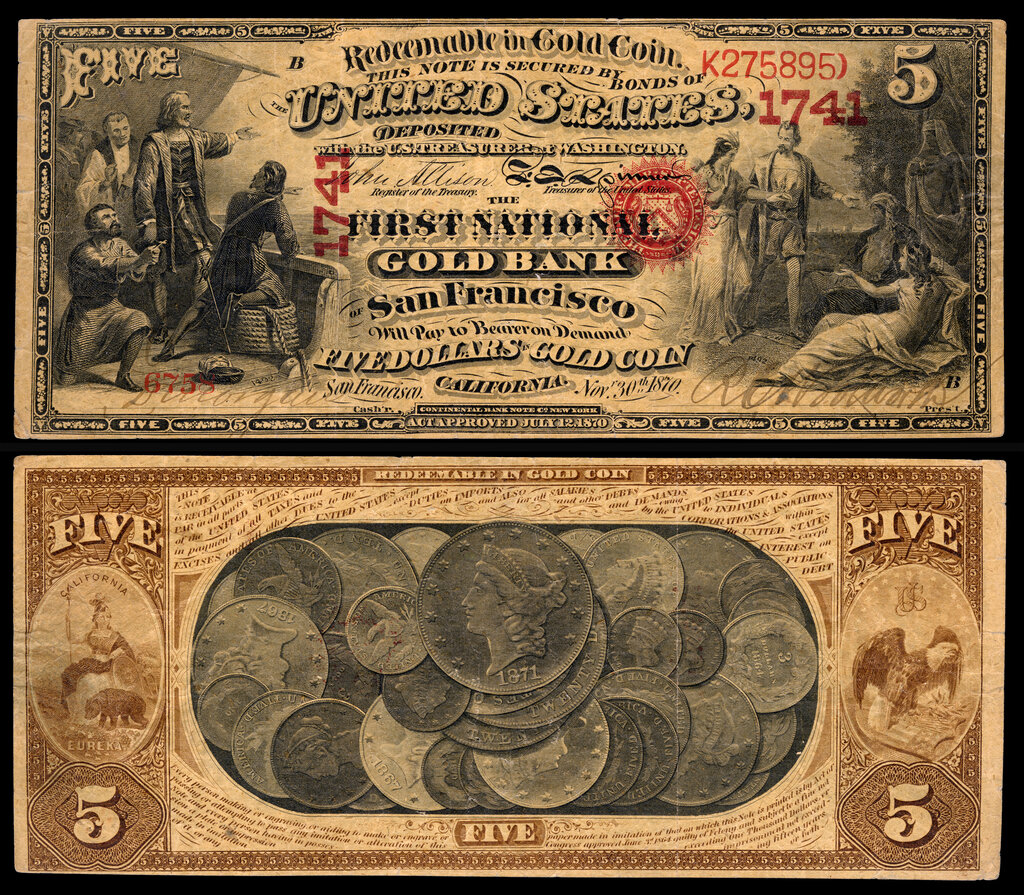
Eventually, governments and banks took over the role of issuing these notes. For a long time, you could take your paper money to a bank and exchange it for a fixed amount of gold or silver. This connection to precious metals gave people confidence in the paper currency.
Over time, this direct link was broken. Modern currencies are what we call fiat money. They are not backed by a physical commodity but are declared by a government to be legal tender. Their value comes purely from the trust people have in the government that issues them. This is the system we use across the globe today.
Ready to check your understanding?