The McKinsey 7S Framework
Introduction to Organizational Effectiveness
What Makes a Company Successful?
It’s a simple question with a complex answer. It isn't just about having a great product or a clever marketing campaign. True, long-term success comes from something called organizational effectiveness. This is a measure of how well a company is able to achieve its goals by using its resources wisely.
Think of an orchestra. A beautiful symphony requires more than just talented musicians. Each musician must know the music, the conductor must provide clear direction, and every section—strings, brass, woodwinds, percussion—must play in perfect harmony. If the violins are playing too fast or the trumpets are in the wrong key, the result is noise, not music. An effective organization is like a well-conducted orchestra. All its parts work together seamlessly to create something powerful.
Organizational Effectiveness
noun
The degree to which an organization achieves its goals by transforming inputs (like labor, capital, and materials) into outputs in the most efficient way possible.
Key Ingredients for Success
Several key factors contribute to a company’s effectiveness. A deficiency in any one area can hold the entire organization back. These elements are interconnected and mutually reinforcing.
Let’s break them down:
- Clear Goals: Everyone in the organization, from the CEO to a new hire, must understand the company's mission. When goals are clear, decisions at all levels become simpler and more focused.
- Strong Leadership: Effective leaders don't just give orders. They inspire, motivate, and provide the direction needed to navigate challenges and keep the team moving forward together.
- Engaged Employees: An organization is only as strong as its people. Employees who feel valued, motivated, and connected to the company's mission are more productive and innovative.
- Efficient Processes: These are the established workflows and systems that turn ideas into reality. Streamlined processes reduce waste, prevent bottlenecks, and ensure consistent quality.
- Supportive Culture: A company's culture is its personality. A positive, collaborative culture encourages teamwork, trust, and open communication, making it a place where people want to work.
- Adaptability: The business world is always changing. An effective organization can pivot and respond to new market trends, technologies, and customer needs without losing momentum.
The Power of Alignment
Having all the right ingredients is one thing. Making them work together is another. This is where internal alignment comes in. Alignment is the degree to which all these different elements—from the company’s high-level strategy to the daily tasks of its employees—are in sync and support each other.
When an organization is aligned, its structure supports its strategy, its people are equipped to execute that strategy, and its culture reinforces the right behaviors.
Misalignment is a recipe for trouble. It’s a sales team chasing revenue goals that conflict with the marketing team’s brand-building efforts. It's a technology department implementing new software without training the employees who need to use it. The result is wasted effort, internal friction, and stalled progress. It’s like trying to drive a car with the wheels pointing in different directions.
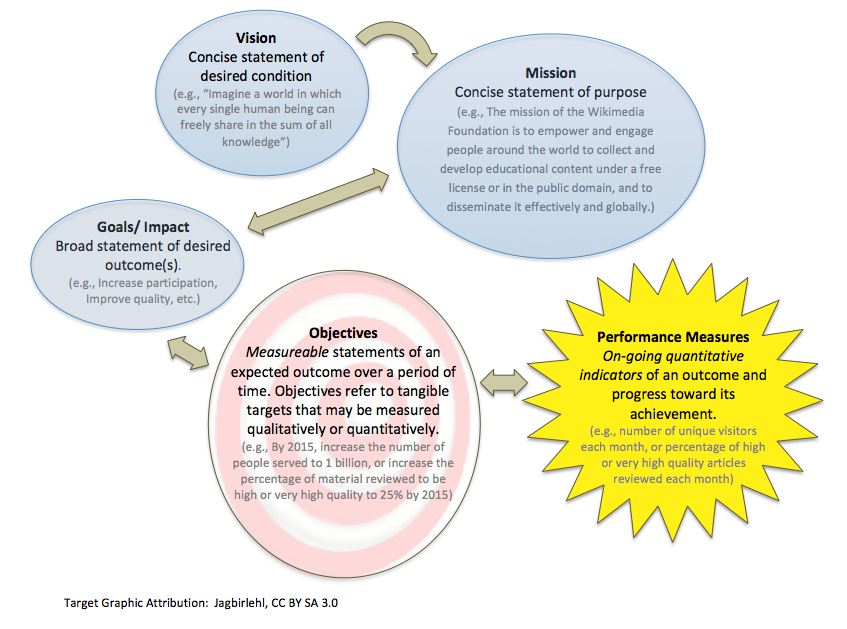
On the other hand, a well-aligned organization is a powerful force. When every department, team, and individual is pulling in the same direction, the company creates synergy. Efforts are amplified, resources are used efficiently, and goals are met more quickly and effectively. This alignment is the core of organizational effectiveness.
Understanding these foundational concepts is the first step toward building a healthier, more successful organization. Next, we'll explore frameworks that leaders can use to diagnose and improve this crucial internal alignment.