The Masterclass of Money
Origins of Trust
The Barter Problem
Before money, there was barter. If you were a farmer with a surplus of wheat, and you needed a new pair of shoes, you had to find a shoemaker who wanted wheat. This is the classic problem of the double coincidence of wants: a direct trade is only possible if both parties happen to have what the other desires at the exact same time.
This system is incredibly inefficient. What if the shoemaker didn't want wheat? You'd have to find a third person, perhaps a weaver who wants wheat and can offer a blanket, which you could then trade with the shoemaker for shoes. Society needed a better way to track value and facilitate exchange. It needed an intermediary.
The solution that emerged across cultures was commodity money. This is money that has value outside of its use as money. Early societies didn't invent money; they discovered it by recognizing that certain goods were more tradable than others. These goods had specific properties that made them suitable for exchange.
| Property | Description |
|---|---|
| Durability | It must not spoil or degrade over time. Wheat is a poor money because it rots. |
| Portability | It must be easy to carry. Cattle are a poor money for this reason. |
| Divisibility | It must be easily divided into smaller units to pay for cheaper goods. |
| Uniformity | Each unit must be the same as the next. One lump of salt is much like another. |
| Limited Supply | Its supply must be scarce enough to hold value. Pebbles make poor money. |
| Acceptability | Enough people must agree to accept it as payment for it to work. |
From Shells to Silver
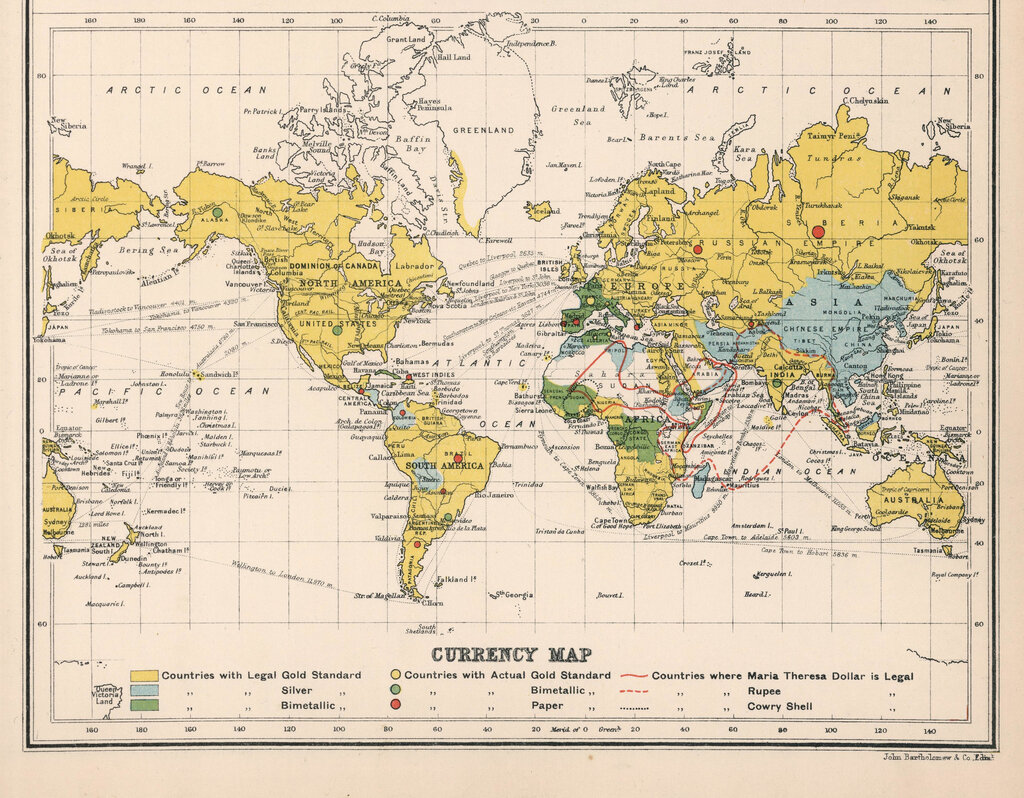
Some of the earliest forms of commodity money were things found in nature. Cowrie shells, for example, were used as currency for thousands of years across parts of Africa, Asia, and Oceania. They were durable, portable, and their supply was naturally limited, preventing just anyone from gathering a fortune. In a way, these shells were a physical social ledger, a way for communities to keep track of debts and credits.
Salt was another. The word "salary" comes from the Latin salarium, which was the payment Roman soldiers received to buy salt. Its value came from its crucial role in preserving food. Beads, particularly those that were difficult to make, also served as money, representing stored labor and artistic skill.
These early forms of money were not just for trade. They were often intertwined with social status and ritual, acting as a record of relationships and obligations within a community.
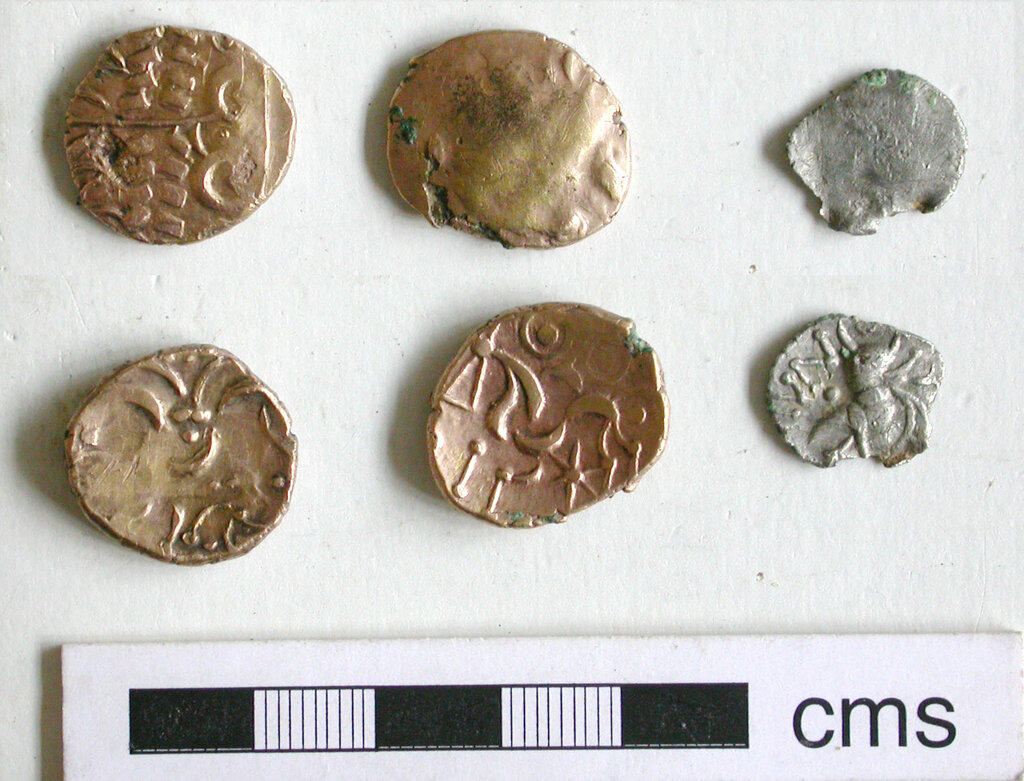
Over time, precious metals like gold and silver emerged as the most successful forms of commodity money. They possessed all the key properties to an exceptional degree. They are incredibly durable, don't corrode, and have a high value-to-weight ratio, making them highly portable. Critically, they are easily divisible and can be melted down and reformed without losing value. Their natural scarcity also ensures they retain purchasing power.
To standardize trade, metals were weighed. Eventually, leaders began minting coins of a standard weight and purity, stamping them with an official seal to guarantee their value. This innovation greatly simplified commerce, as merchants no longer had to carry scales to every transaction.
Storing Trust
The evolution from barter to coins reveals the true nature of money: it is a technology for storing and transferring trust. The value of a gold coin wasn't just in the metal itself, but in the shared belief that others would accept it for goods and services. It represented a claim on the future labor and resources of the community.
Commodity Money
noun
Objects that have value in themselves (intrinsic value) as well as value in their use as money.
This leads to a key distinction. As long as the item used as money has its own intrinsic value, it's commodity money. But what happens when the token of exchange is just a placeholder? That's the idea behind representative money. A certificate that can be exchanged for a specific amount of gold is representative money. The paper itself isn't valuable, but it represents a claim on something that is.
This system, where paper notes were backed by and redeemable for precious metals, was a crucial step in the evolution of monetary systems. It combined the convenience of paper with the trusted value of commodities like gold and silver.
Let's test your understanding of these foundational concepts.
What is the primary problem with a barter system that money solves?
Which of the following best defines commodity money?
Understanding the transition from barter to commodity money is essential. It shows that money isn't just an economic tool; it's a social agreement built on the need to trust, trade, and store value across time.