The Marvelous World of Fungi
Introduction to Fungi
The Hidden Kingdom
When you think of fungi, you probably picture mushrooms on a forest floor or mold on a forgotten slice of bread. But these are just small glimpses into a vast and ancient kingdom of life. Fungi are not plants, nor are they animals. They form their own distinct group of organisms, with unique ways of living, eating, and reproducing.
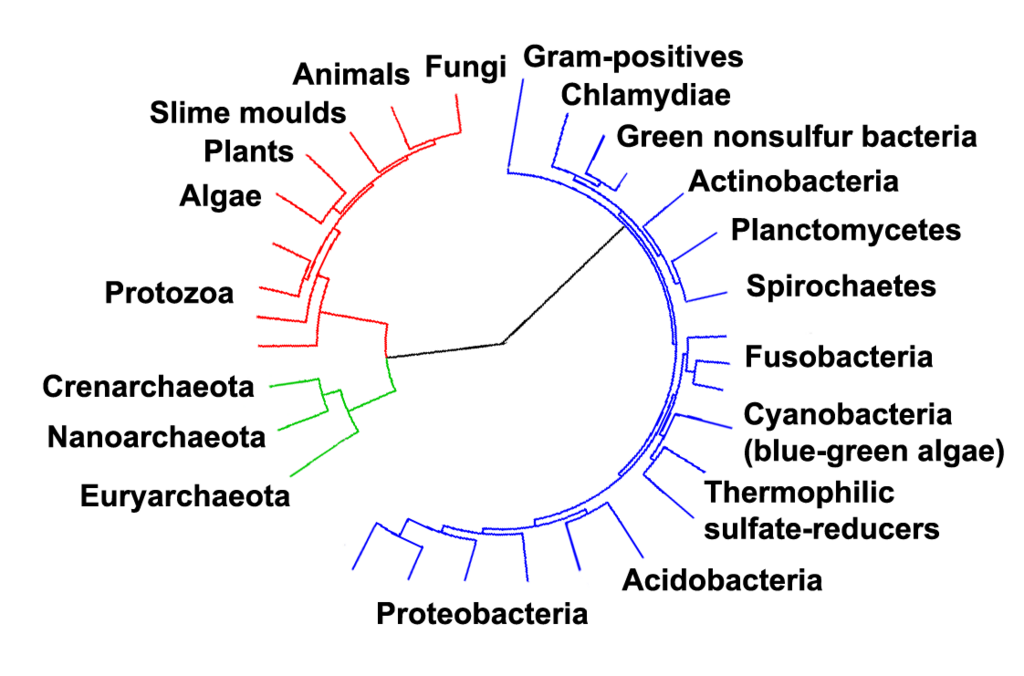
Unlike plants, fungi can't make their own food through photosynthesis. Instead, they are heterotrophs, meaning they must absorb nutrients from their surroundings. They release digestive enzymes into the environment to break down organic matter, then soak up the resulting small molecules. This is why you often find them growing on dead logs, soil, or even in your refrigerator.
Fungi are classified into several major groups, or phyla, based on their life cycles and the structures they use for reproduction. You don't need to memorize them all, but it's good to know that this kingdom is just as diverse as the animal or plant kingdoms, with millions of species estimated to exist.
The Fungal Body
At a cellular level, fungi are eukaryotes, meaning their cells have a true nucleus and other complex organelles, just like our own cells do. But a key difference lies in their cell walls. While plant cell walls are made of cellulose, fungal cell walls are built from a tough, flexible substance called chitin.
Chitin
noun
A fibrous substance consisting of polysaccharides, which is the main component of the cell walls of fungi and the exoskeletons of arthropods.
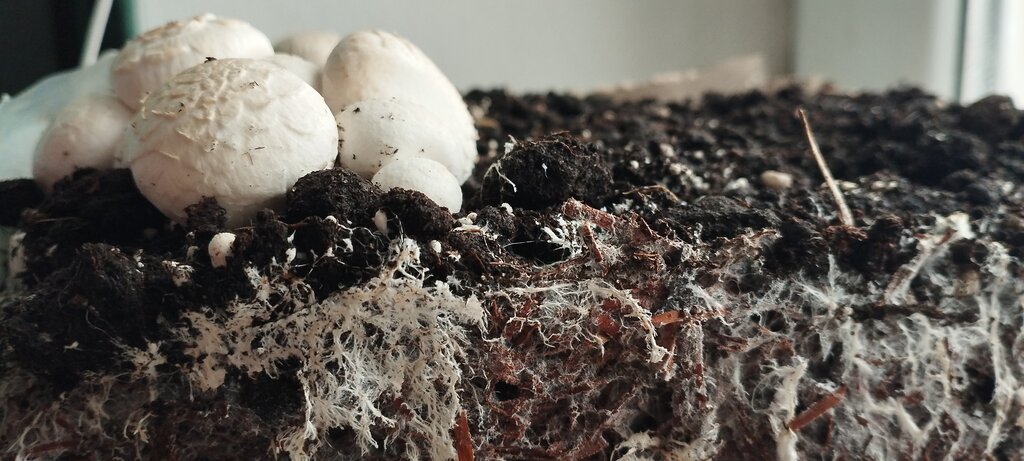
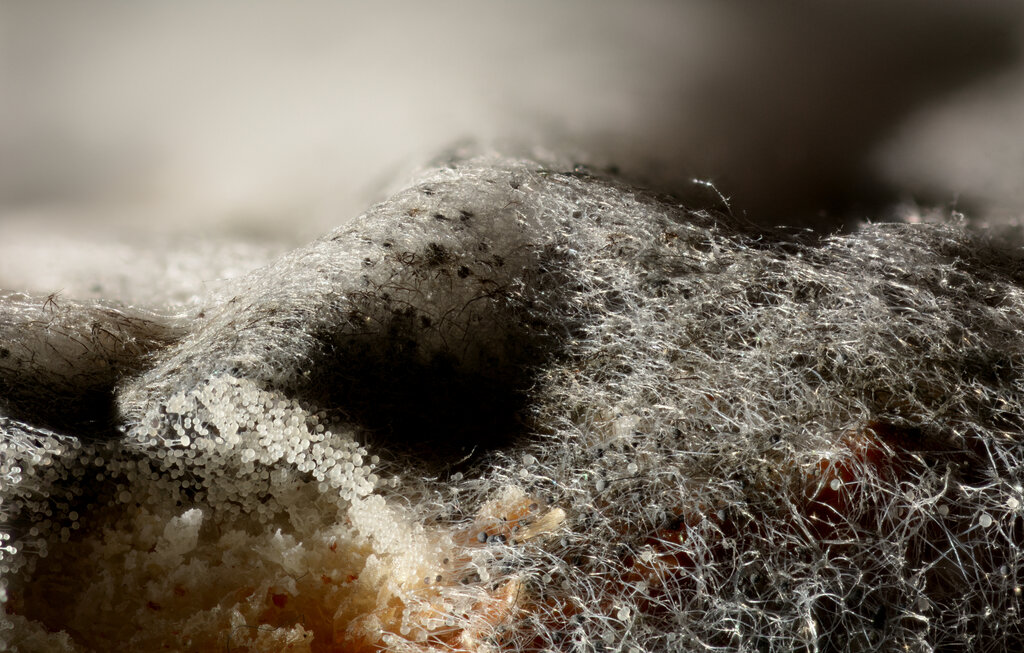
Most fungi are multicellular. Their bodies are made of a network of tiny, thread-like structures called hyphae. These hyphae branch out and weave together to form a larger mass called a mycelium. The mycelium is the main body of the fungus, and it can be vast. The mushroom you see above ground is just the tip of the iceberg; it's the fruiting body of a much larger mycelial network hidden in the soil or wood.
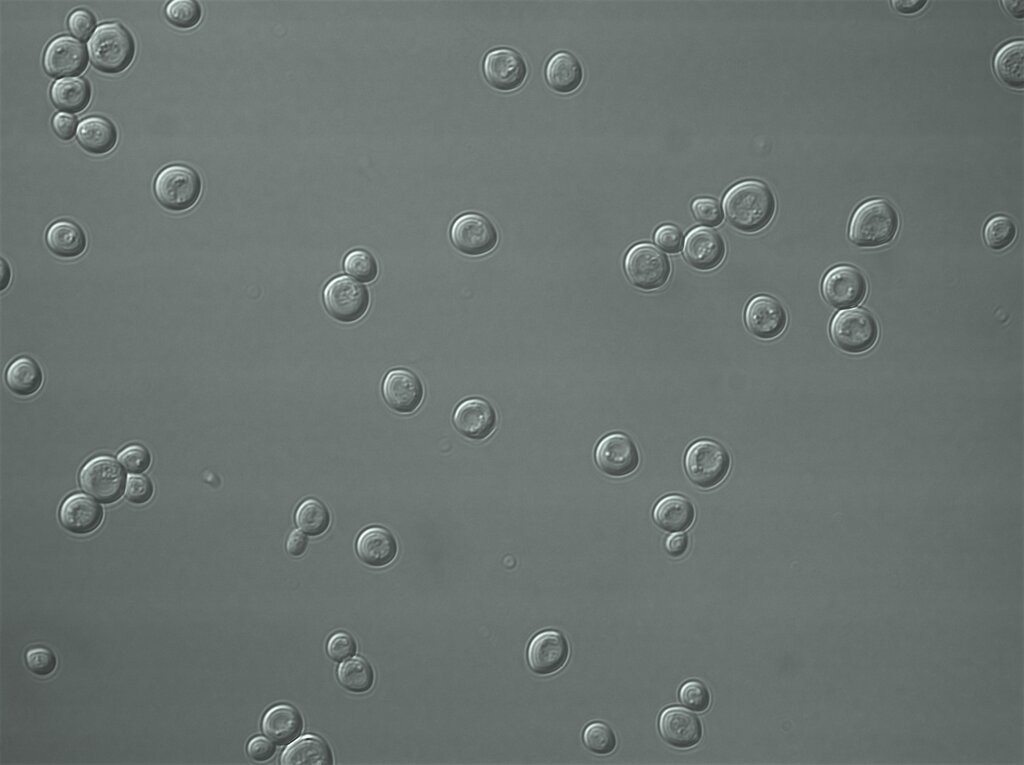
Not all fungi follow this blueprint. Some, like yeasts, are single-celled. Instead of forming a mycelium, they exist as individual, microscopic cells. These are the fungi responsible for making bread rise and fermenting beer.
How Fungi Reproduce
Fungi have developed a variety of clever ways to reproduce. Many can switch between asexual and sexual reproduction, depending on the conditions.
Asexual reproduction is fast and efficient. Single-celled yeasts do it through a process called budding, where a new cell simply grows off the side of the parent cell. Molds, on the other hand, produce tiny, lightweight spores that can travel through the air. When a spore lands in a suitable spot with moisture and food, it germinates and grows into a new fungus.
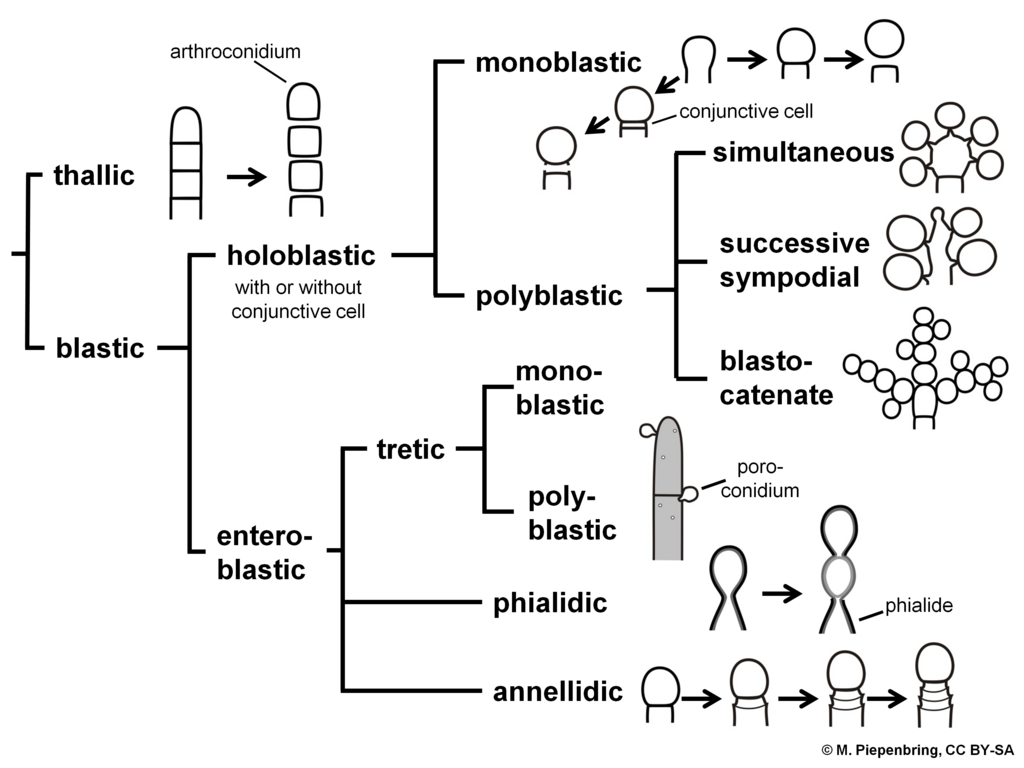
Sexual reproduction is more complex but allows for genetic diversity. It typically happens when the hyphae from two different fungal individuals meet and fuse. This fusion eventually leads to the formation of a specialized fruiting body, like a mushroom, shelf fungus, or truffle. This structure's job is to produce and release a new generation of genetically unique spores.
Fungi in the World
Fungi are essential to the health of nearly every ecosystem on Earth. They play several critical roles, but they are best known as nature's great recyclers.
As decomposers, fungi break down dead plants and animals. This process returns vital nutrients like carbon and nitrogen to the soil, where they can be used by plants to grow. Without fungi, forests would be buried under mountains of dead wood and leaves.
Many fungi also form symbiotic relationships, living in close partnership with other organisms. Some form networks with plant roots, helping them absorb water and nutrients from the soil in exchange for sugars. Others partner with algae or cyanobacteria to form lichens, which can survive in some of the harshest environments on the planet.
Of course, not all fungal interactions are beneficial. Some fungi are pathogens, causing diseases in plants and animals. In agriculture, fungal pathogens can devastate crops. In humans, they are responsible for ailments ranging from athlete's foot to more serious systemic infections.
From the yeast that leavens our bread to the mycelial networks that support our forests, the kingdom of fungi is a powerful and often overlooked force shaping our world.
How do fungi primarily obtain their nutrients?
What is the main, often hidden, body of a multicellular fungus, composed of a network of thread-like hyphae?