The Marvel of Stem Cells
Introduction to Stem Cells
The Body's Master Cells
Imagine a cell that hasn't decided what it wants to be when it grows up. It holds the potential to become a nerve cell, a muscle cell, or a skin cell. This is the essence of a stem cell. They are the body's raw materials, unspecialized cells from which all specialized cells are generated.
Stem cells are defined by two unique properties: the ability to endlessly divide to create more stem cells (self-renewal) and the ability to develop into specialized cells (differentiation).
These two abilities make them fundamental to life. During development, they build our entire body from a single fertilized egg. Throughout our lives, they act as an internal repair system, dividing to replenish other cells as long as we are alive.
Divide and Conquer
Let's look closer at how stem cells manage their unique tasks. Self-renewal isn't just simple cell division; it's a carefully controlled process. Often, a stem cell undergoes asymmetric division. When it divides, it produces two different daughter cells: one new stem cell to maintain the population, and one cell, called a progenitor cell, that is destined to differentiate.
Differentiation, on the other hand, is the process where an unspecialized cell takes on a specific identity and function. Think of it as a rookie player being assigned a permanent position on a team. This transformation is guided by a combination of internal signals, like the cell's own genes, and external signals from its environment, including chemicals secreted by other cells and physical contact with its neighbors. These signals activate specific genes and silence others, sculpting the cell into its final form, whether it be a heart cell that beats or a neuron that fires.
Meet the Stem Cell Family
Stem cells aren't all the same. Scientists classify them based on their origin and their potential to differentiate.
pluripotent
adjective
Capable of differentiating into any of the three primary germ layers: ectoderm, endoderm, or mesoderm. These cells can become any cell type in the adult body.
Embryonic Stem Cells (ESCs) As their name suggests, these cells are derived from embryos. Specifically, they come from a structure called the inner cell mass of a blastocyst, which is a very early-stage embryo. Embryonic stem cells are pluripotent. This means they can give rise to all of the more than 200 different cell types in the adult body.
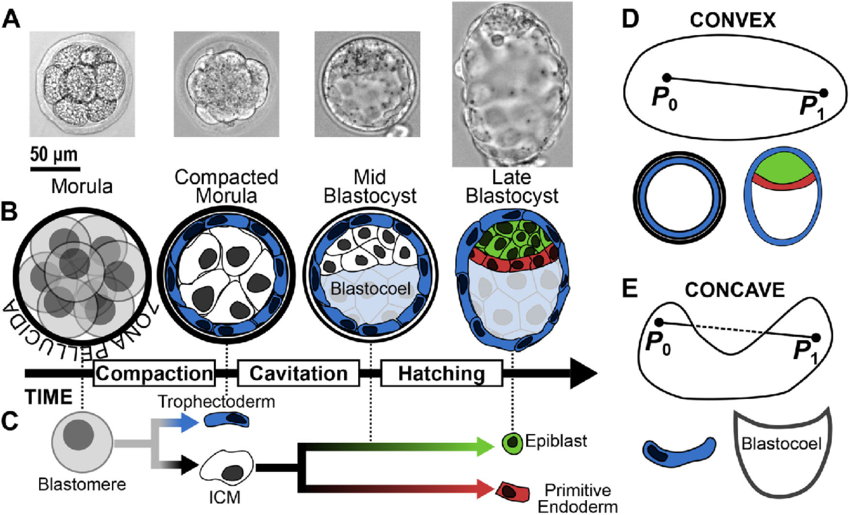
Adult Stem Cells (ASCs) Also known as somatic stem cells, these are found in small numbers in most adult tissues, such as bone marrow, skin, and the brain. They are multipotent, meaning they can differentiate into a limited range of cell types, usually those specific to the tissue where they reside. For example, hematopoietic stem cells in bone marrow can create all the various types of blood cells, but they can't become brain cells.
Adult stem cells act as the body's dedicated maintenance crew, responsible for repairing and replacing cells in their home tissue.
Induced Pluripotent Stem Cells (iPSCs) These are a scientific breakthrough. iPSCs are not found naturally in the body; they are created in the lab. Scientists can take normal adult cells, like skin or blood cells, and reprogram them genetically to behave like embryonic stem cells. In other words, they can turn a multipotent or specialized cell back into a pluripotent one. This discovery, which won a Nobel Prize in 2012, opened up new avenues for research without using embryos.
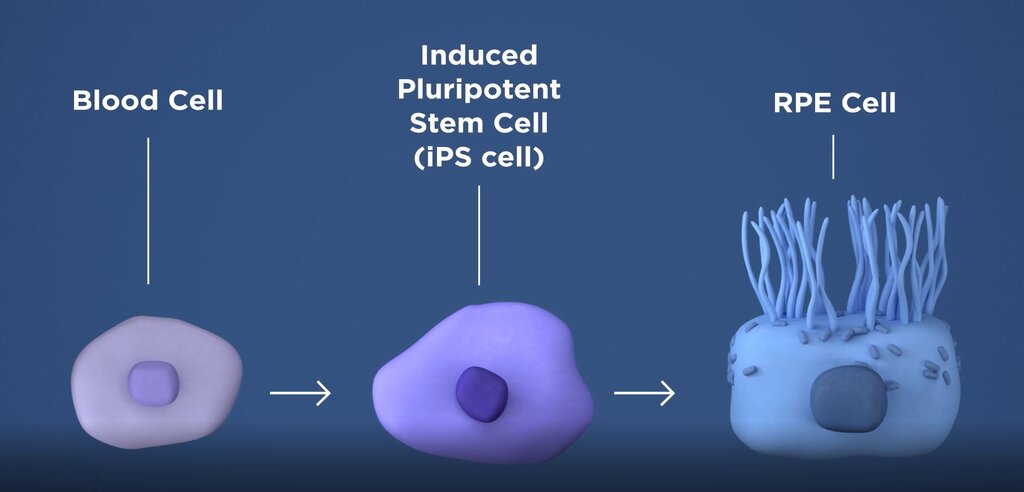
Understanding these master cells is the first step toward appreciating their profound importance, from building our bodies from scratch to maintaining them for a lifetime.