The Martial Library Mastery
Strategy and Modern Combat
A System for Conflict
Sun Tzu’s The Art of War isn't a collection of proverbs. It's a manual for systems thinking. As one of the of ancient China, it teaches a holistic view of conflict, where every element—from the weather and terrain to troop morale and the enemy's psychology—is an interconnected part of a dynamic system. To master strategy is to understand how these parts influence one another.
This approach moves beyond simple tactics. It’s about seeing the entire battlespace, including the minds of everyone involved, as a single, complex machine. The goal is to influence the system in your favour, making victory a logical consequence of your actions long before the first shot is fired. This is the essence of strategic foresight, a kind of 'calculus of grit' where disciplined thinking replaces impulsive action.
Positioning Over Confrontation
The highest form of victory, according to Sun Tzu, is to subdue the enemy without fighting. This isn't about avoiding conflict, but about making the outcome so certain that a physical fight becomes pointless. This is achieved through strategic positioning.
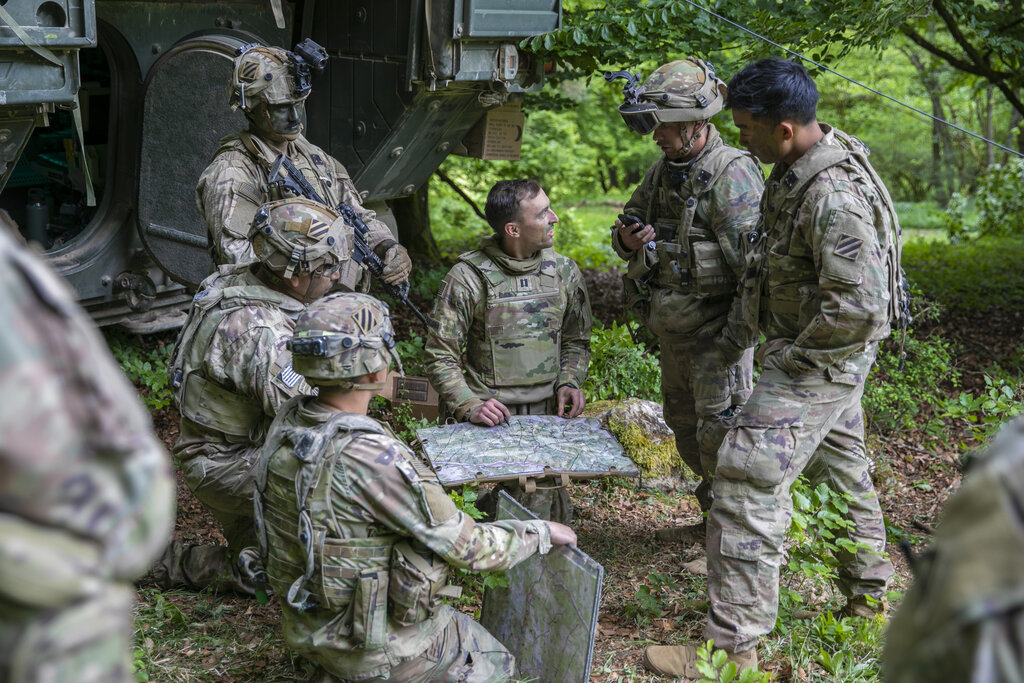
Imagine two chess players. One memorises openings and tactical patterns. The other understands the fundamental principles of control, space, and pawn structure. The first player wins by overpowering their opponent with known moves. The second player wins by creating a position where their opponent has no good moves left. Modern warfare operates on this second principle. Victory is secured by controlling information, dominating the psychological landscape, and shaping the environment until the enemy's defeat is an inevitability.
The aim is not just to win a battle, but to win the war before the battle even begins. This is achieved by making the enemy's strategy obsolete.
The Shape of Water
Sun Tzu wrote, "military tactics are like unto water; for water in its natural course runs away from high places and hastens downwards... Water shapes its course according to the nature of the ground over which it flows; the soldier works out his victory in relation to the foe whom he is facing." This metaphor is the foundation of modern adaptive training.
A rigid force with a fixed plan is brittle. It shatters when it meets unexpected resistance. An adaptive force, however, changes its shape to exploit the weaknesses it encounters. This philosophy underpins modern doctrines like mission command, where junior leaders are given clear objectives but the freedom to decide how to achieve them. They are trained to think, adapt, and seize opportunities, flowing around obstacles instead of crashing into them.
The Inner Battlefield
The most overlooked aspect of The Art of War is its application to intrapersonal conflict. The command to "know your enemy and know yourself" is not just about external opponents. The inner battlefield—your own mind—is often the most critical. Intelligence-gathering becomes an act of radical self-awareness.
This means tracking your own psychological triggers, biases, and emotional reactions under pressure. Why did a specific situation cause you to hesitate? What cognitive shortcuts did you take when making a split-second decision? Understanding your internal landscape is as vital as mapping the physical terrain. Sun Tzu's five essential leadership qualities—wisdom, trustworthiness, benevolence, courage, and discipline—are not just for leading others. They are the tools for managing your own internal state, ensuring that fear does not cloud judgment and that discipline overrides impulsive reactions.
Now, let's review the key concepts we've covered.
Time to test your understanding of these strategic principles.
According to the provided text, what is the primary perspective of Sun Tzu's The Art of War?
What does Sun Tzu's metaphor of water illustrate about military strategy?
By viewing conflict as a system, prioritising positioning, maintaining adaptability, and mastering the inner self, the ancient wisdom of The Art of War remains a powerful tool for the modern warrior.