The Marketing Evolution SEO AEO GEO
Introduction to SEO
What is SEO?
Search Engine Optimization, or SEO, is the practice of helping your website show up higher in search engine results. Think of it like a bridge. On one side are people searching for information, and on the other is your website with the answers. SEO builds a strong, clear bridge so people can easily find you.
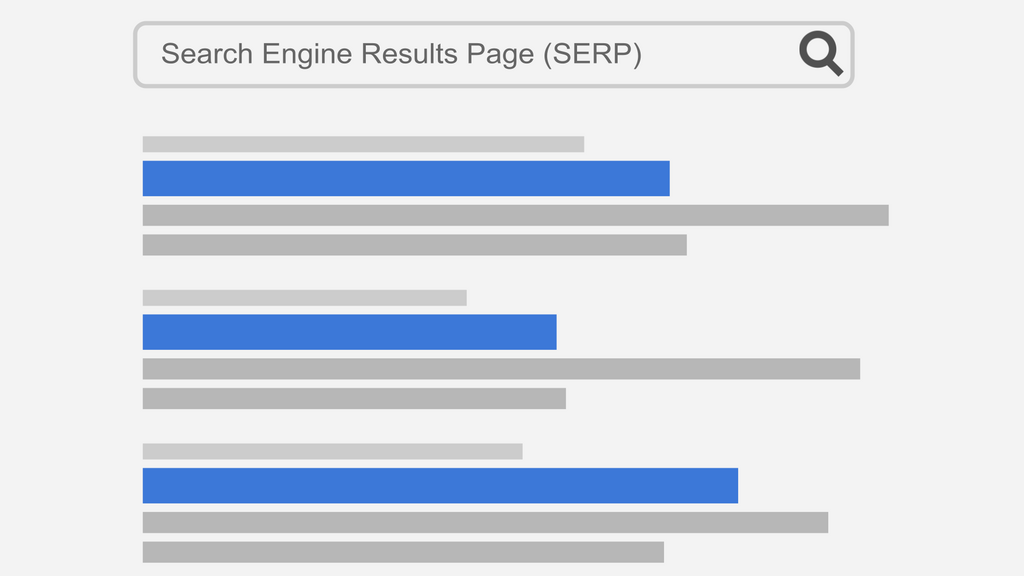
When your site ranks higher on Google, Bing, or other search engines, you get more "organic" traffic. That means visitors find you naturally through search, not through paid ads. This visibility is crucial because most people don't look past the first page of results. Good SEO makes your website a trusted source in the eyes of both users and search engines.
Search Engine Optimization (SEO) is the process of optimizing your website—its technical setup, content relevance, and authority—to improve rankings in organic (unpaid) search engine results like Google.
How Search Engines Work
Search engines have a huge job: to catalog the entire internet and deliver the best possible results for any query. They do this using a three-step process:
- Crawling: Search engines send out automated programs called "crawlers" or "spiders." These bots follow links to discover new pages and content across the web.
- Indexing: After crawling, the content is analyzed and stored in a massive database called an index. Think of it like the index of a giant library, where every webpage is a book.
- Ranking: When you type in a search, the search engine's algorithm sifts through the index to find the most relevant and authoritative pages. It then ranks them, with the best results appearing at the top.
This ranking is determined by a complex algorithm that considers hundreds of different factors. SEO is all about signaling to this algorithm that your page is the best result for a particular search.
The Core Components
SEO can be broken down into three main areas. A good strategy balances all of them.
Keyword Research
Everything starts with understanding what your audience is searching for. Keyword research is the process of identifying the words and phrases people use when looking for information related to your business or topic. It’s not just about finding popular terms; it’s about finding the right terms that match a user's intent. Are they looking to buy something, learn a new skill, or find a specific website?
On-Page Optimization
On-page SEO involves optimizing the content and HTML source code of a page. This tells search engines what your content is about. Key elements include:
- Title Tags: The title of your page that appears in the browser tab and search results.
- Meta Descriptions: The short summary that appears under your title in search results. A good one encourages users to click.
- Headers (H1, H2, etc.): These structure your content, making it easier for both users and crawlers to read and understand.
- High-Quality Content: This is the most important factor. Your content should be original, useful, and answer the searcher's question thoroughly.
Off-Page Optimization
Off-page SEO refers to actions taken outside of your own website to impact your rankings. This is largely about building your site's authority and reputation. The primary method is through backlinks.
A backlink is a link from another website to yours. Search engines view backlinks as votes of confidence. When a reputable site links to your page, it signals that your content is valuable and trustworthy. The quality of the links matters more than the quantity.
Time for a quick check-in. Let's see what you've learned about the fundamentals of SEO.
What is the primary goal of Search Engine Optimization (SEO)?
Which of the following represents the correct three-step process search engines use to catalog the internet?
By understanding these core principles, you can create a solid foundation for your website to be seen and valued by search engines and, most importantly, by the people searching for what you have to offer.