The Many Meanings of Jam
Origins of 'Jam'
The First Squeeze
The word 'jam' first shows up in English writing around 1706. Like many common words, its exact origin is a bit of a mystery. No one is completely sure where it came from, but the most likely story is that it was created to sound like an action.
Linguists call this an 'imitative' word. The sound of 'jam' is short and abrupt, much like the action of pressing or squeezing something forcefully into a tight space. Think of the sound you might make when pushing a cork into a bottle. It's a word that feels like what it means.
jam
verb
To press, squeeze, or wedge something tightly into a space.
From the very beginning, the word had a dual nature. It described both the action and the result of that action.
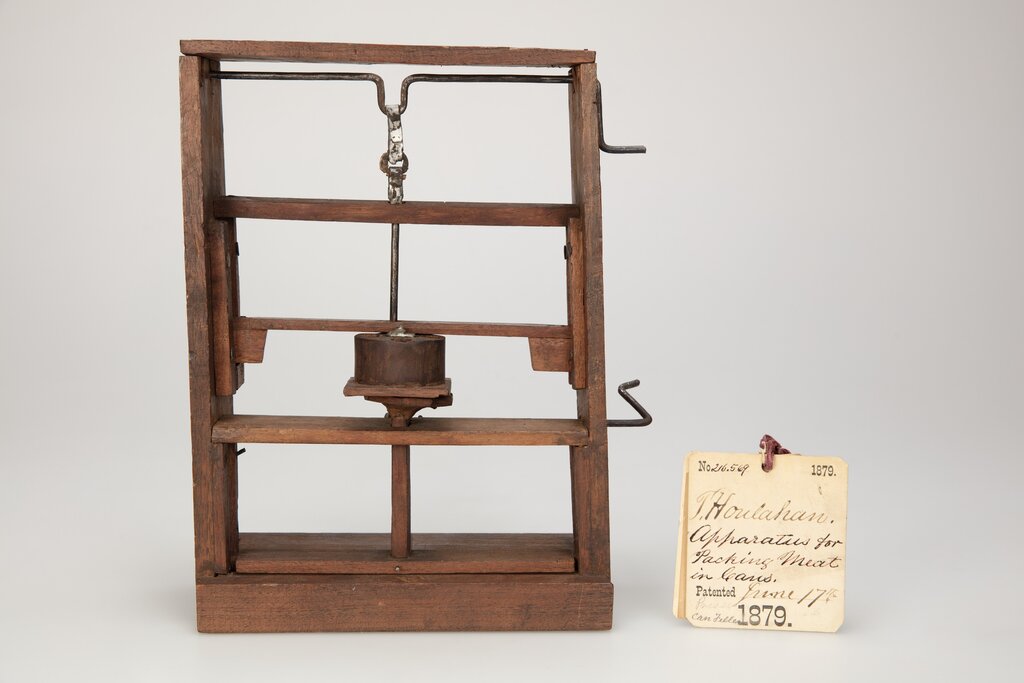
On one hand, 'to jam' something meant you were actively applying pressure, wedging an object into a confined area. On the other hand, something could be in a jam, meaning it was stuck, crowded, or squeezed. The action created the state.
To jam was to squeeze. To be in a jam was to be squeezed.
This simple, physical meaning of pressing and being pressed is the root from which all other senses of the word would eventually grow. It’s the core idea that holds all the future meanings of 'jam' together.
Let's check your understanding of these foundational ideas.
According to the text, the exact origin of the word 'jam' is completely known and agreed upon by linguists.
Linguists describe 'jam' as an 'imitative' word. What does this mean?
Understanding this original meaning helps make sense of how the word evolved.