The Magic of Photosynthesis
Introduction to Photosynthesis
How Plants Make Food
Plants don't eat the way animals do. Instead, they create their own food using sunlight. This process, called photosynthesis, is the foundation of nearly all life on Earth. It's how plants, algae, and some bacteria convert light energy into chemical energy, which they then use to grow and function.
photosynthesis
noun
The process by which green plants and some other organisms use sunlight to synthesize foods from carbon dioxide and water.
Think of a plant as a tiny, solar-powered factory. It takes in simple ingredients from the environment and uses the sun's energy to manufacture sugars. These sugars are the plant's food, providing the fuel it needs to build leaves, stems, and roots.
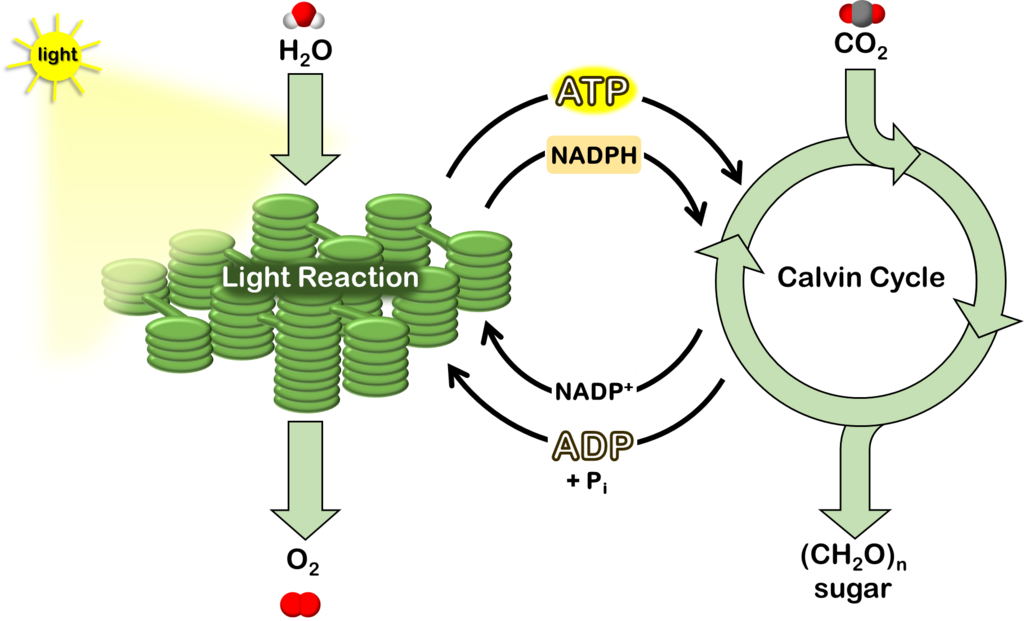
But the process doesn't just benefit the plant. A critical byproduct of photosynthesis is oxygen, the gas that most animals, including humans, need to breathe. Every breath you take is a reminder of the constant work being done by plants all over the world.
The Chemical Recipe
The entire process of photosynthesis can be summarized by a chemical equation. It shows the raw materials, or reactants, that go in and the final substances, or products, that come out.
The main ingredients are carbon dioxide from the air and water from the soil. The energy to combine them comes from sunlight. The results are glucose, a type of sugar that stores energy, and oxygen, which is released into the atmosphere.
In scientific terms, the balanced equation looks like this:
Let's break that down:
- : Six molecules of carbon dioxide.
- : Six molecules of water.
- : One molecule of glucose, a simple sugar.
- : Six molecules of oxygen.
Foundation of the Food Chain
Photosynthesis isn't just a clever way for plants to eat. It's the engine that powers most ecosystems on our planet. Organisms that perform photosynthesis, like plants, are called producers. They are at the very bottom of the food chain, creating the energy that all other life depends on.
Plants form the foundation of ecosystems by producing energy through photosynthesis.
When a herbivore eats a plant, it's consuming the chemical energy stored in the plant's glucose molecules. When a carnivore then eats that herbivore, the energy is transferred again. This flow of energy, starting from the sun and captured by plants, sustains the intricate web of life.
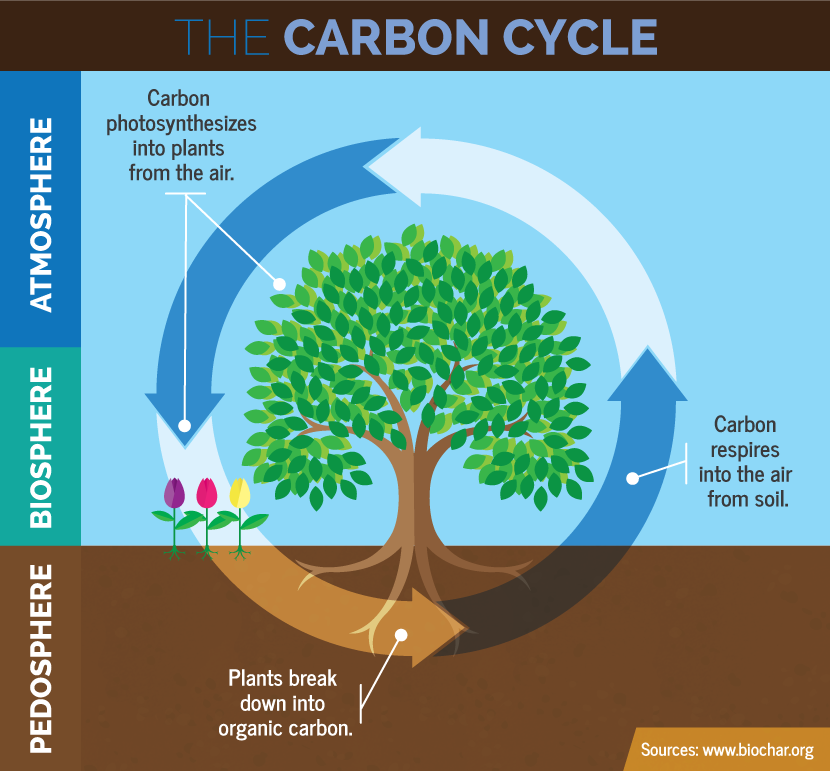
Beyond providing food and oxygen, photosynthesis also plays a crucial role in regulating Earth's climate. By absorbing carbon dioxide, a major greenhouse gas, plants help moderate the planet's temperature. Without this vital process, Earth would be a very different and far less hospitable place.
Now, let's test your understanding of these core concepts.
What is the primary purpose of photosynthesis for a plant?
Which of the following are the two main products of photosynthesis?