The Magic of Beer Fermentation
Introduction to Beer Fermentation
The Magic of Yeast
After cooling the wort, the next step is where the real transformation begins. It's time to introduce the star of the show: yeast. These single-celled fungi are tiny living organisms that have a huge appetite for sugar. When pitched into the sugary wort, they wake up and get to work.
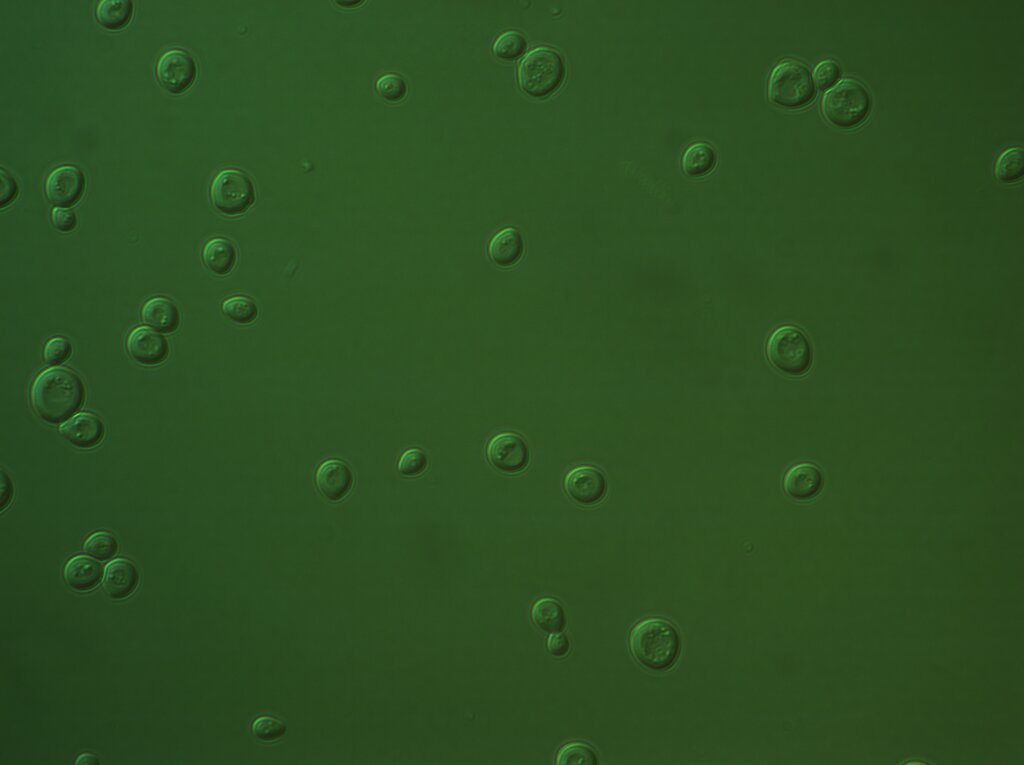
Yeast performs a biological process called fermentation. In an environment with very little oxygen, yeast consumes the simple sugars (like glucose and maltose) in the wort. It metabolizes these sugars to create energy for itself. Luckily for us, this process produces two very important byproducts: ethanol (alcohol) and carbon dioxide (CO₂).
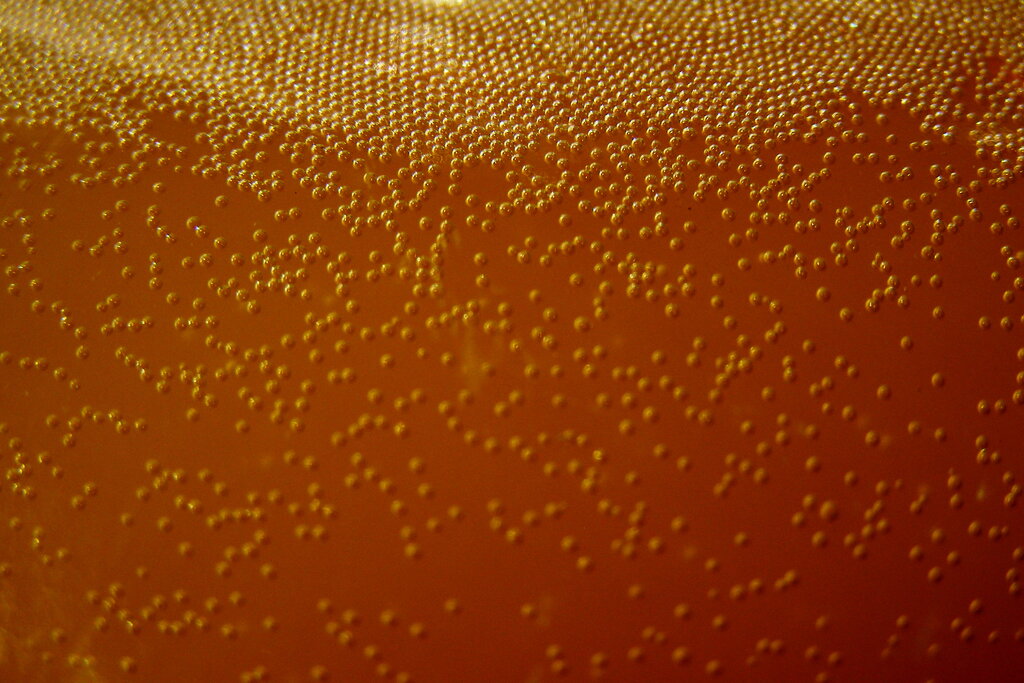
The chemical equation above shows glucose being converted into ethanol and carbon dioxide. The ethanol is what gives beer its alcoholic content, while the carbon dioxide creates the bubbles and fizzy head we expect. This is the fundamental process that turns sweet wort into beer.
Controlling the Ferment
A brewer's job is to create the perfect environment for yeast to thrive. Temperature is one of the most critical factors. Different yeast strains work best at different temperatures. Keeping the fermentation in the right temperature range ensures the yeast is healthy and produces the desired flavors.
Too warm, and the yeast can produce harsh, unpleasant flavors. Too cold, and it can become sluggish or go dormant, failing to ferment the beer completely. The two main categories of beer, ales and lagers, are defined by the type of yeast used and their preferred fermentation temperatures.
| Yeast Type | Fermentation Temp. | Characteristics |
|---|---|---|
| Ale Yeast | 60-75°F (15-24°C) | Top-fermenting, works faster, produces more fruity and spicy flavors. |
| Lager Yeast | 45-55°F (7-13°C) | Bottom-fermenting, works slower, produces a cleaner, crisper flavor. |
The duration of fermentation also matters. Primary fermentation, when the yeast is most active, can last from a few days to a couple of weeks. During this time, most of the alcohol and CO₂ is produced. Afterward, the beer is often moved to a second vessel for a conditioning period. This allows the flavors to mellow and the beer to clear as yeast and other particles settle out.
Yeast's Signature
Yeast does more than just make alcohol and bubbles. Different strains produce a wide array of other flavor and aroma compounds. The most common are esters, which often create fruity notes (like banana or apple), and phenols, which can contribute spicy, clove-like, or even medicinal flavors.
The specific yeast strain a brewer chooses is a major decision that defines the style of the beer. A German Hefeweizen gets its classic banana and clove character from its unique yeast. A Belgian Tripel's complex, spicy aroma is also a product of the yeast strain. Even two beers made with the exact same malt and hops will taste completely different if fermented with different yeasts.
The choice of yeast is a brewer's most powerful tool for shaping a beer's final flavor and aroma profile.
The two main species are Saccharomyces cerevisiae, used for ales, and Saccharomyces pastorianus, used for lagers. Within these species, there are hundreds of different strains, each offering a unique contribution. This incredible diversity is what makes the world of beer so varied and exciting.
Let's check your understanding of these core concepts.
What are the two primary byproducts of yeast fermentation that are essential for creating beer?
A brewer notices their fermenting beer has a harsh, unpleasant flavor. Based on the text, what is the most likely cause?
By managing yeast, temperature, and time, brewers guide the transformation of wort into the vast range of beer styles we enjoy.