The Magic Internet Notebook and Digital Piggy Banks
Shared Digital Notebooks
The Shared Notebook
In our current internet, information is often stored like a private diary locked in a vault. Think about your bank account. The bank keeps the official record, the single source of truth, in their private ledger. You have to trust them to keep it accurate.
Web3 flips this model on its head. Imagine instead of a private diary, there's a magic notebook. This notebook belongs to a club, and every single member has an identical, synchronized copy. When someone wants to add a new entry — say, 'Alex paid Beth 5 tokens' — it doesn't just appear in one book. It magically appears in everyone's copy at the exact same time. This is the core idea behind a distributed ledger — a record of transactions shared across many computers instead of being held in one central place.
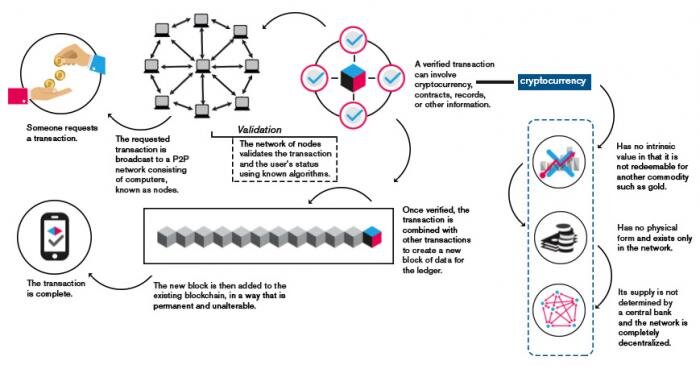
This setup removes the need for a central authority like a bank. The group itself maintains the record. Because everyone has a copy, it’s transparent. Anyone in the club can look through the notebook and see the entire history of every transaction that has ever happened.
Club Consensus
So, how does a new entry get added to everyone's notebook? It can't be a free-for-all. Before any new transaction is recorded, the club members have to agree on it.
This agreement process is called . When 'Alex wants to pay Beth 5 tokens,' that proposed entry is broadcast to the whole club. Each member checks their own copy of the notebook. Does Alex have enough tokens to give? Is the request valid? They all perform the same check. If the majority of the club gives a 'thumbs up,' the transaction is approved and permanently added to a new page in every single notebook. This group verification ensures that no fraudulent entries can be made. Trust is established not by a central authority, but by collective agreement.
The Magic Seal
What stops someone from just going back and secretly changing an old page in their notebook? This is where the magic comes in. Every page in the notebook has a unique, tamper-proof 'magic seal.' This seal is a special code generated from the contents of the page itself. If even a single comma is changed on the page, the seal breaks and changes completely. This digital seal is a concept known as .
But it's more clever than that. The magic seal for a new page isn't just based on its own contents. It's also mathematically linked to the seal of the previous page. So, Page 5's seal depends on its own transactions and on Page 4's seal. Page 4's seal depends on Page 3's seal, and so on, all the way back to the very first page.
This creates a chain of interlocking pages, where each page secures the one before it. This is literally the 'chain' in 'blockchain'.
If a cheater tried to alter a transaction on, say, Page 10, the seal on that page would break. Because Page 11's seal is linked to Page 10's, its seal would break too. And Page 12's, and so on, causing a cascade of broken seals all the way to the present. The cheater's notebook would be instantly obvious as fraudulent when compared to the hundreds or thousands of other identical copies in the club. This makes the ledger effectively immutable, or unchangeable.
Time to check your understanding of these core ideas.
In the 'magic notebook' analogy, what is the main purpose of the 'consensus' process?
What prevents someone from secretly changing a past entry in their copy of the notebook?
By transforming the private diary into a shared, sealed notebook, blockchain technology creates a system for recording information that is transparent, democratic, and incredibly secure.